Stanford trial finds 5-minute breathwork beats mindfulness for anxiety relief
Five minutes of breathwork beat a five-minute mindfulness sit for anxiety in Stanford’s trial. Cyclic sighing led the pack, with better mood and HRV.
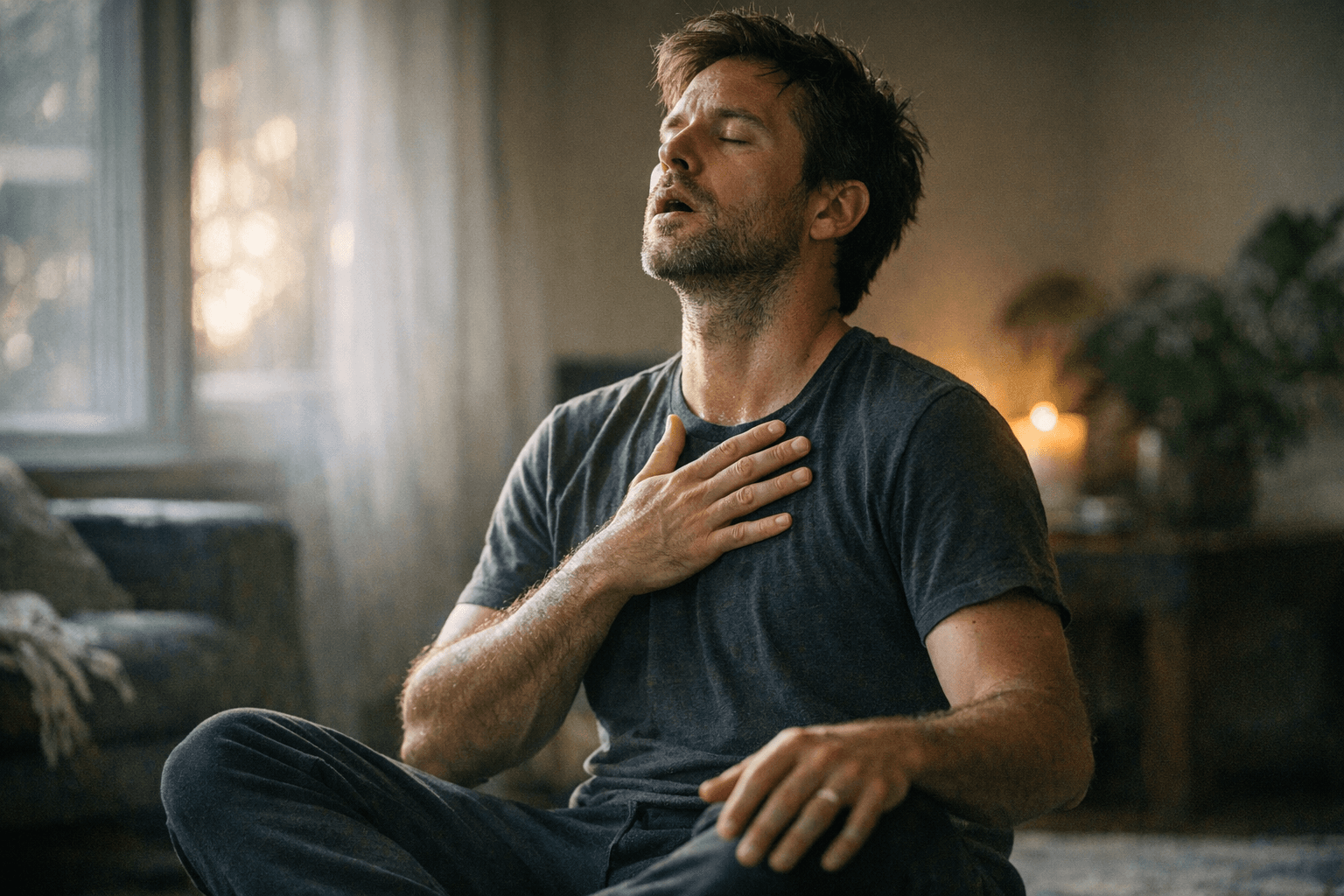
If your default five-minute reset is still a mindfulness sit, Stanford’s trial suggests a faster first move for anxiety: controlled breathing. In a remote randomized controlled study of 111 healthy adults, five minutes a day of breathwork outperformed an equivalent five-minute mindfulness meditation practice over 28 days, with cyclic sighing emerging as the strongest performer.
The trial, registered as NCT05304000 and monitored through daily surveys and WHOOP wristbands, compared three breathing protocols, cyclic sighing, box breathing and cyclic hyperventilation with retention, against passive attention to the breath. Stanford’s team tracked mood, anxiety, respiratory rate, heart rate and heart rate variability, the physiological marker that often matters most to people trying to feel calmer in real life. Across the month, the controlled-breathing groups posted significantly greater gains in energy, joy and peacefulness than their own starting points.
For a routine built around anxiety relief, the practical takeaway is simple: start with the exhale. Cyclic sighing, the long-exhale method Stanford described as a controlled breathing exercise emphasizing prolonged out-breaths, was the best of the three breathwork styles. If you want a short, body-first intervention before a tense meeting, after a bad commute or at the end of a spiraling day, this is the protocol the Stanford data points to first. If your mindfulness practice is doing something different for you, such as building attention or supporting a longer sit, the study does not push it aside. It does suggest that for quick downshifting, breathwork may be the more efficient front-end tool.
That matters because Stanford framed the work against the pandemic-era rise in anxiety and depression, plus the shortage of mental health providers and the long waits that have left many people looking for something they can do immediately, without an appointment. Lead investigators David Spiegel, Andrew Huberman and Melis Yilmaz Balban also planned follow-up MRI work to see how controlled breathing affects brain activity, a sign the university sees these brief practices as more than a wellness trend.
The paper appeared in Cell Reports Medicine on January 17, 2023, but the routine lesson still holds: if you have five minutes and need a measurable reset, Stanford’s trial says to reach for the breath first, and save the mindful sit for the next layer of the practice.
This article was produced by Prism’s automated news system from verified source data, official records, and press releases, then run through automated quality and moderation checks before publishing. The system is built and supervised by the people who set the standards it runs under. Read our full AI policy.
Did this article answer your question?