Study Finds Scenic Videography Can Deliver Nature-Based Mindfulness Benefits
Nature videos may be enough: an Illinois-led study says scenic videography can deliver mindfulness benefits even when you stay home.
Mindfulness can begin on a screen
The most striking takeaway from this Illinois-led study is simple: you may not need a cushion, a studio, or even a trailhead to get some of the benefits people associate with nature-based mindfulness. Scenic videography, when watched with attention, appears able to slow the mind, sharpen awareness, and create a felt sense of connection to the natural world.
That makes this more than a travel story. It is a practical argument for bringing nature into everyday life through short videos, especially when time, money, mobility, or geography make an actual outing harder to pull off.
How the study was built
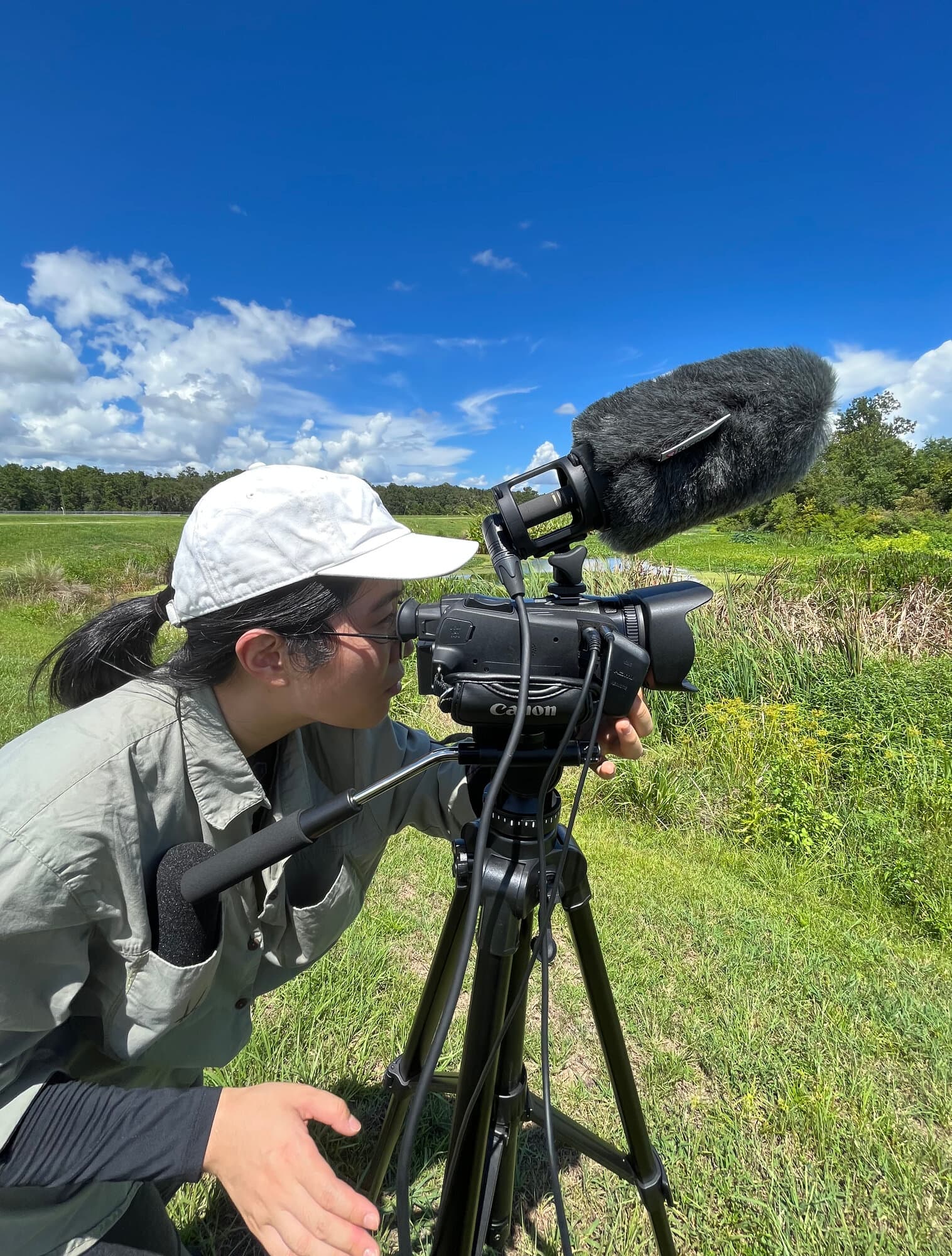
The work was led by Yue Darcy Lu, a doctoral student in recreation, sport and tourism at the University of Illinois Urbana-Champaign, and published in the Journal of Sustainable Tourism. Lu approached the topic in two phases, starting with an ethnographic period shaped by her own videography practice in Florida while she was studying at the University of Florida in 2022.
Illinois says Lu visited parks and forest preserves and kept a daily field journal while recording beach, forest, swamp and botanic-garden sessions. That personal fieldwork gave the project an intimate first layer: not just what nature looked like through a lens, but how filming it changed the experience of being present in it.
The second phase moved into a much larger digital landscape. Lu and her coauthors analyzed more than 3,000 online reviews from nine virtual tours of natural areas offered by a major global travel agency. Those experiences ranged from cherry blossoms and forest bathing in Japan to a live wildlife safari in South Africa and a sunset hike with a geologist in Thailand.
What nature-based mindfulness means here
The paper defines nature-based mindfulness as present-moment attention paired with awareness of natural surroundings. That matters, because the researchers are not claiming that a video replaces the forest. They are arguing that videography can still activate the mental shift that people seek when they go outdoors: slowing down, noticing more, and feeling more connected to the environment.
Yao-Chin Wang, the corresponding author, said videography can do more than document nature because it can create meaningful experiences beyond physical presence. The University of Florida identifies him as an assistant professor in the Department of Tourism, Hospitality and Event Management and a member of UF Mindfulness.
The study also sits at an unusual crossroads of mindfulness, tourism, and media. That combination is part of what gives it bite. It suggests that a phone, tablet, or laptop may not just be a distraction from nature, but, when used intentionally, a way to help people enter a more mindful relationship with it.
Who this could help most
The clearest beneficiaries are people with limited access to parks, trails, or retreats. That includes anyone who lives far from green space, cannot travel easily, or simply needs a low-cost way to build a restorative pause into a crowded day.
This is where the study’s practical value really shows. Short nature videos can work as a bridge for travel brands, educators, therapists, and wellness platforms, especially if the goal is to create an easy entry point into mindfulness rather than to stage a full outdoor experience. The point is accessibility, not perfection.
The University of Illinois Extension helps explain why that matters. Its wellness-in-nature materials say time in nature can benefit mental and physical well-being, that even a short amount of time in nature can improve overall health, and that mindfulness in nature can be practiced in a park, backyard, or other nearby green space. Scenic videography fits that same logic: low friction, short duration, and close enough to home that it can actually happen.
How to try it during a break or wind-down
A useful test does not require a retreat or a complicated routine. Pick a short scenic video with visible movement, such as water, tree canopies, wildlife, or a slow landscape walk, then watch it without multitasking. The study’s central idea is that attention is the mechanism, so background noise is not the point.
For a work break, this can be a few minutes between meetings, long enough to let your attention settle on one scene. For recovery, it can sit beside a quiet chair, a blanket, or the time after a stressful appointment. For an evening wind-down, it can become a repeatable ritual: the same clip, the same chair, the same few minutes of noticing color, sound, motion, and distance.
If the practice is working, it should feel less like passive scrolling and more like a deliberate return to the present. That is the promise of nature-based mindfulness in a digital form: not a replacement for the outdoors, but a way to bring the outdoors’ calming grammar into ordinary rooms.
Why tourism researchers care about the bigger picture
The paper frames nature-based mindfulness as a growing area in tourism that can promote wellness, fulfillment, and environmental stewardship. That last part is important. The conceptual model links positive emotions from videography to broader cognition and to protective behavior toward the environment, suggesting the experience may shape not only mood but also how people think about caring for natural places.
That gives the study a surprisingly wide reach. Scenic videography could end up serving as a mindfulness tool, a wellness product, and a gentle invitation to value the environments it depicts. In a field that often treats nature as something you have to physically reach, this study argues for a more flexible idea: sometimes, the path into mindfulness begins with watching carefully.
This article was produced by Prism’s automated news system from verified source data, official records, and press releases, then run through automated quality and moderation checks before publishing. The system is built and supervised by the people who set the standards it runs under. Read our full AI policy.
Did this article answer your question?