Subharti University lecture explores mindfulness meditation for student wellbeing
A Subharti University lecture showed students how a few minutes of breath and awareness work can fit into busy days, not just meditation retreats.
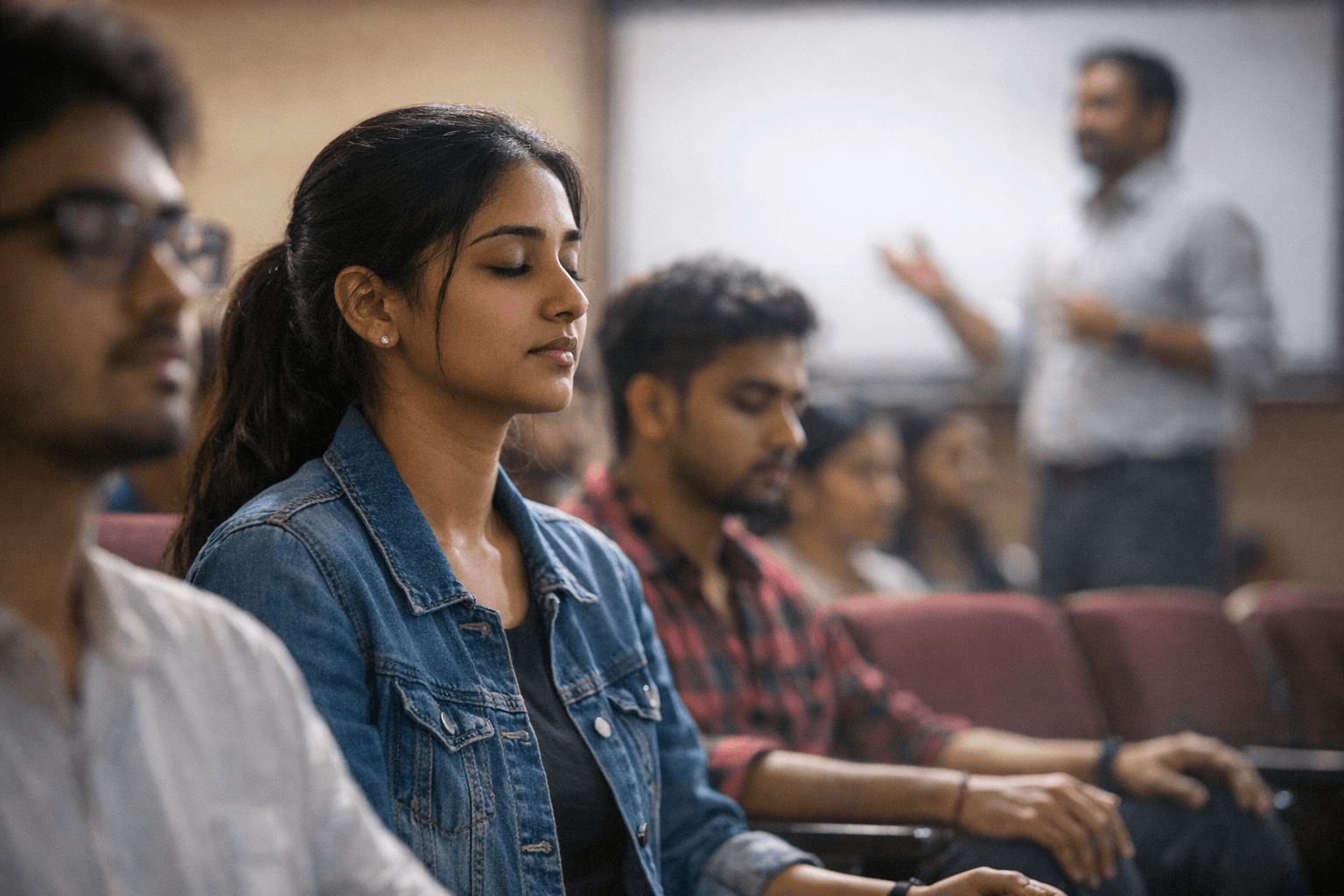
A few minutes of breathing and attention work carried the strongest message at Swami Vivekanand Subharti University in Meerut, where Dr. Pallabi Mukherjee showed students that mindfulness does not have to wait for a retreat, a silent room, or an hour of free time. During the April 16, 2026 guest lecture, Mindfulness Meditation and Its Role in Modern Life, she described mindfulness as being fully aware and present in the moment without judgment, then led brief practical exercises that students could fold into ordinary routines.
The lecture, organized by the Ganesh Shankar Vidyarthi Subharti Department of Journalism and Mass Communication, was presented as part of the university’s effort to support student mental health and holistic development. Dr. Mukherjee, an assistant professor at the Subharti School of Buddhist Studies, tied the practice to Buddhist philosophy while also showing how it has become a widely accepted tool for mental clarity and emotional stability. The clearest takeaway for busy students was practical rather than abstract: mindfulness was framed as a skill for handling the pressure of classes, deadlines, and personal strain, not as another item on an overloaded schedule.
Prof. Ritesh Chaudhary, the department head, reinforced that point by linking mental wellbeing with academic excellence. His comments fit the larger campus setting of the event, which included coordination support, an MC, a vote of thanks, and participation from multiple faculty members and students. That structure mattered because it placed mindfulness inside the daily life of the department, where it could feel less like an imported wellness trend and more like a usable part of student support.
The broader research context helps explain why this kind of lecture lands with students now. The National Center for Complementary and Integrative Health defines mindfulness as present-moment awareness without judgment and describes mindfulness-based stress reduction as an 8-week program that combines mindful meditation, discussion, and other strategies for stressful experiences. The American Psychological Association says mindfulness meditation is widely used to manage stress and improve overall well-being, while the World Health Organization says mental health is a state of well-being that helps people cope with life’s stresses. WHO also reported in 2019 that 970 million people worldwide were living with a mental disorder.
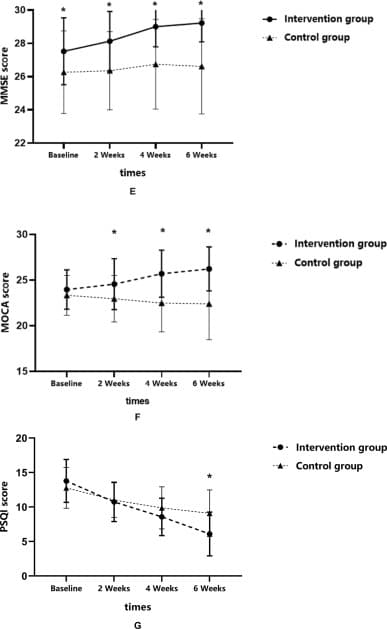
That evidence base is growing in university settings. A 2023 Frontiers in Public Health meta-analysis found significant mental-health benefits from mindfulness interventions in university students, drawing on 21 studies from 321 identified. A 2024 systematic review on MBSR and university students included 29 studies from 276 retrieved records. Even so, a 2020 review found negative experiences in 55 of 83 studies, a reminder that mindfulness works best when taught with care, context, and realistic expectations.
This article was produced by Prism’s automated news system from verified source data, official records, and press releases, then run through automated quality and moderation checks before publishing. The system is built and supervised by the people who set the standards it runs under. Read our full AI policy.
Did this article answer your question?