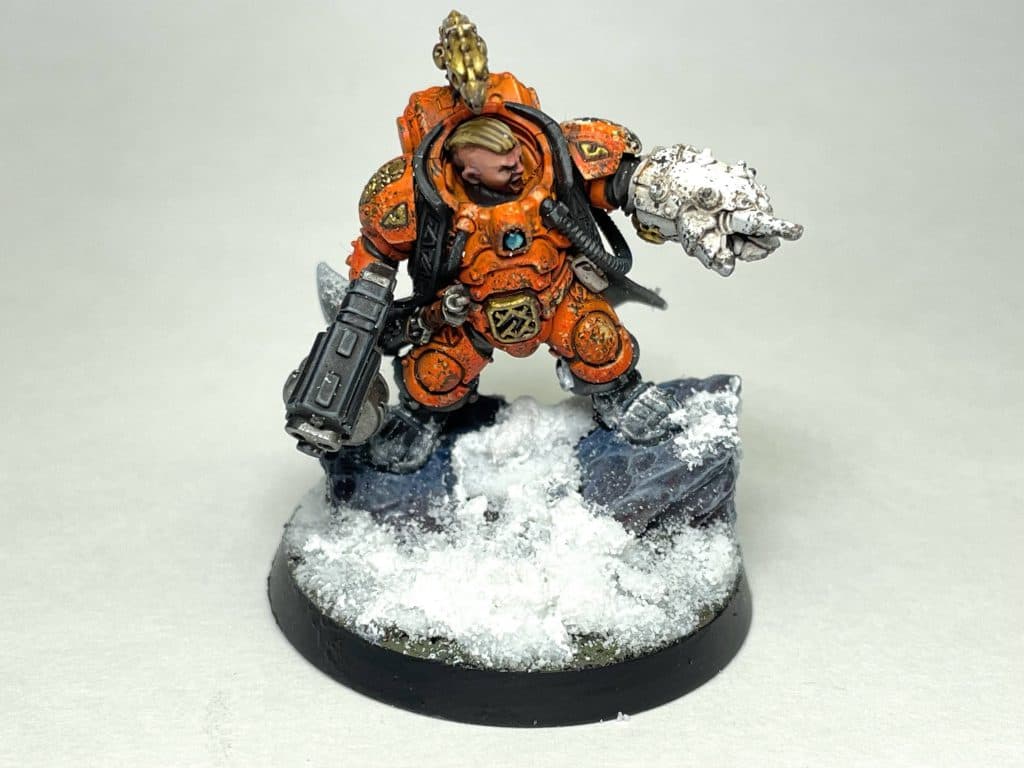
Andy Wardle talks Golden Demon wins and Cult of Paint lessons
Wardle’s trophies matter, but his real lesson is broader: build a wider visual diet and treat every miniature like a deliberate decision. That mindset scales from a single character to an army.
Why Andy Wardle’s process matters
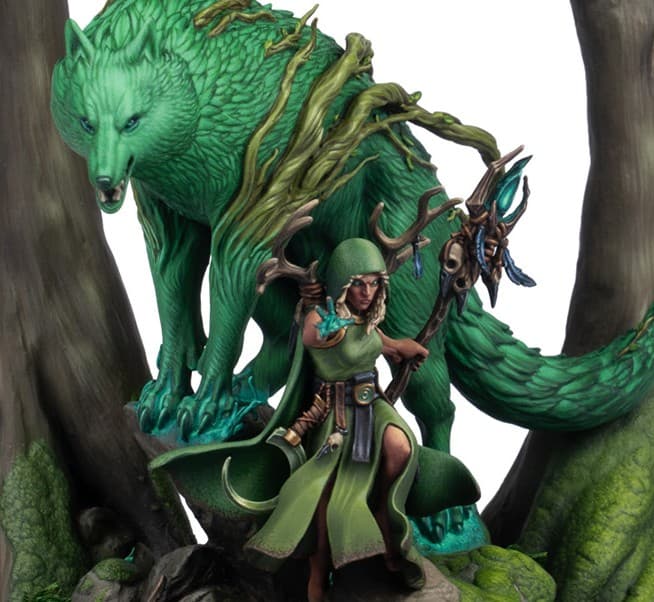
Andy Wardle is not just another talented painter with a nice display case. Goonhammer frames him as a multi-time Golden Demon winner and one of the hobby’s most decorated painters, and that context matters because Golden Demon is still the benchmark competition for Warhammer miniature painting. Warhammer Community describes it as the ultimate Warhammer painting competition, with thousands of entries coming in each year from around the world, while its 2025 and 2026 coverage shows the event continuing to draw hundreds of entries and multiple category awards. In that world, the Slayer Sword is the top prize, the best-of-the-best marker, and Wardle’s record gives his habits real weight for anyone trying to level up a squad or a showcase character.
Start with the model that still feels magical
One of the most revealing details in Wardle’s story is not a technique at all. It is the memory of seeing a Space Marine bike as a child and feeling like it was a forbidden grown-up toy, which captures the pull that miniature painting still has at its core. That feeling is useful to keep close when you are deciding what to paint next, because motivation is a real part of finish quality. If a model still grabs you before the first brushstroke, you are more likely to push through the boring parts, clean transitions more carefully, and give the piece the patience it needs.
That is a practical lesson for tabletop painters, not just a nostalgic one. The best subject for your next project is often the one that still feels slightly intoxicating when it leaves the sprue, whether that is a hero, a centerpiece beast, or a rank-and-file trooper with enough character to reward attention. Wardle’s remembered childhood reaction is a reminder that competition-grade painting is still built on the same wonder that gets most of us into the hobby in the first place.
Cult of Paint turns elite skill into a shared language
Wardle’s influence is bigger than his own trophies because he is one half of Cult of Paint. Cult of Paint describes itself as an initiative providing painting classes, miniatures and community support for people who love painting toy soldiers, which makes it more than a personal brand and more than a portfolio of impressive display pieces. Its classes page says the team has worked with award-winning artists including Andy Wardle, Marc Masclans and Richard Gray, so the teaching side is clearly tied to painters who understand what good looks like at the highest level.
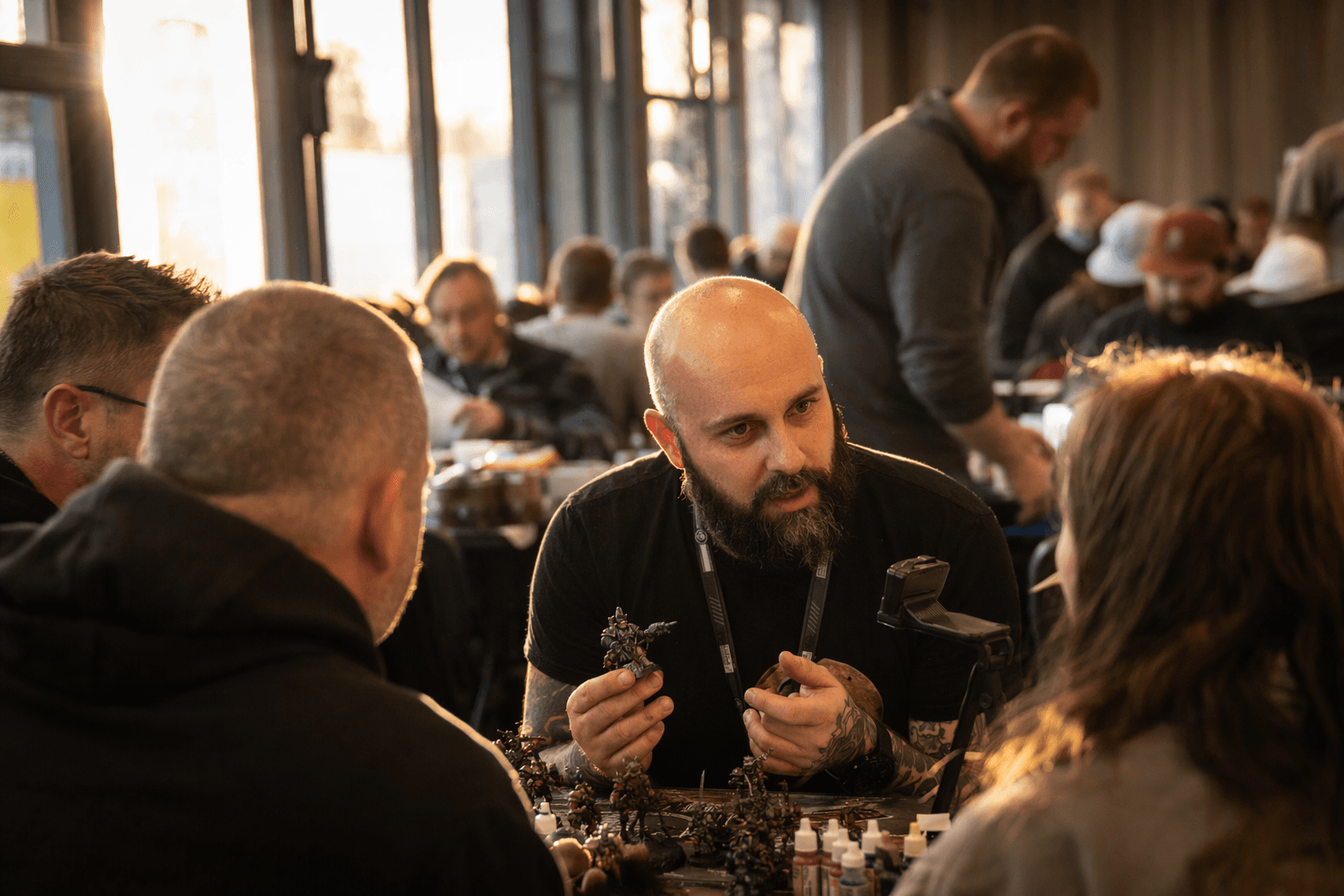
That matters because the jump from good to great is often less about one secret recipe and more about systems. Cult of Paint’s appeal suggests that serious painting improves fastest when technical skill, critique and community all reinforce one another. For everyday painters, that translates into a simple habit: do not just watch a tutorial and move on. Reuse the idea on your next squad, compare the result, and let the community around you sharpen what you notice.
Build a wider visual diet than your hobby desk
Wardle’s inspiration list is a strong clue about how to keep your work from going stale. He cites Hayao Miyazaki as a major influence, and he also says he pulls from Magic: The Gathering artists on Instagram to keep his feed full of fantasy art ideas. Warhammer Community has also said he is inspired by the art in codexes, battletomes and boxed sets, and that mix tells you something important: great miniature painting is fed by more than one visual ecosystem.
The useful takeaway is not to copy those sources literally. It is to train your eye on different kinds of composition, color rhythm and silhouette so that your next mini has more than just technically neat blends. If your references all come from the same few hobby accounts, your work will start to look trapped in the same visual habits. Wardle’s approach points in the opposite direction, where manga storytelling, trading-card illustration and Warhammer art all become fuel for a better model.
Do not measure your progress against a Golden Demon plinth
Wardle’s competitive perspective also has a useful warning built into it. Warhammer Community previously noted that he returned to painting in 2013 after a long hiatus, and it has also quoted him on the danger of comparing yourself directly to Golden Demon entries because those models can represent hundreds of hours of work. That is a healthy correction for any painter who opens a competition gallery, feels crushed, and then starts mistaking admiration for inadequacy.

The smarter move is to use Golden Demon as a reference point, not a yardstick for your current project. A display piece and a tabletop unit serve different purposes, and Wardle’s point is that the hours embedded in a competition entry are part of the result. For your own work, focus on the decision that gives the most visible gain per session: cleaner edge highlights, a stronger face, better contrast between cloth and armor, or a more deliberate base that frames the miniature instead of fighting it.
What to steal for your next squad or character
Wardle’s record gives you permission to think like a competitor without pretending every model needs to be a championship entry. His 2023 Golden Demon Silver for a Necron Lord at Warhammer Fest 2023 shows how even a single character can become a showcase if the concept, finish and presentation are all working together. At the same time, the scale of Golden Demon in 2025 and 2026, with hundreds of entries across multiple categories, is a reminder that the hobby rewards both breadth and precision.
- choose models that still excite you before you begin
- widen your reference pool beyond hobby-only images
- treat community critique as part of the process
- use competition pieces as inspiration, not an instant comparison
- build one deliberate improvement into each project
The habits worth copying are straightforward:
That is the real shape of Wardle’s trophy case. The Slayer Swords and Silver medals matter, but the more useful lesson is the discipline underneath them: a broad eye, a long memory, and the willingness to turn every miniature into a small, intentional decision.
Know something we missed? Have a correction or additional information?
Submit a Tip