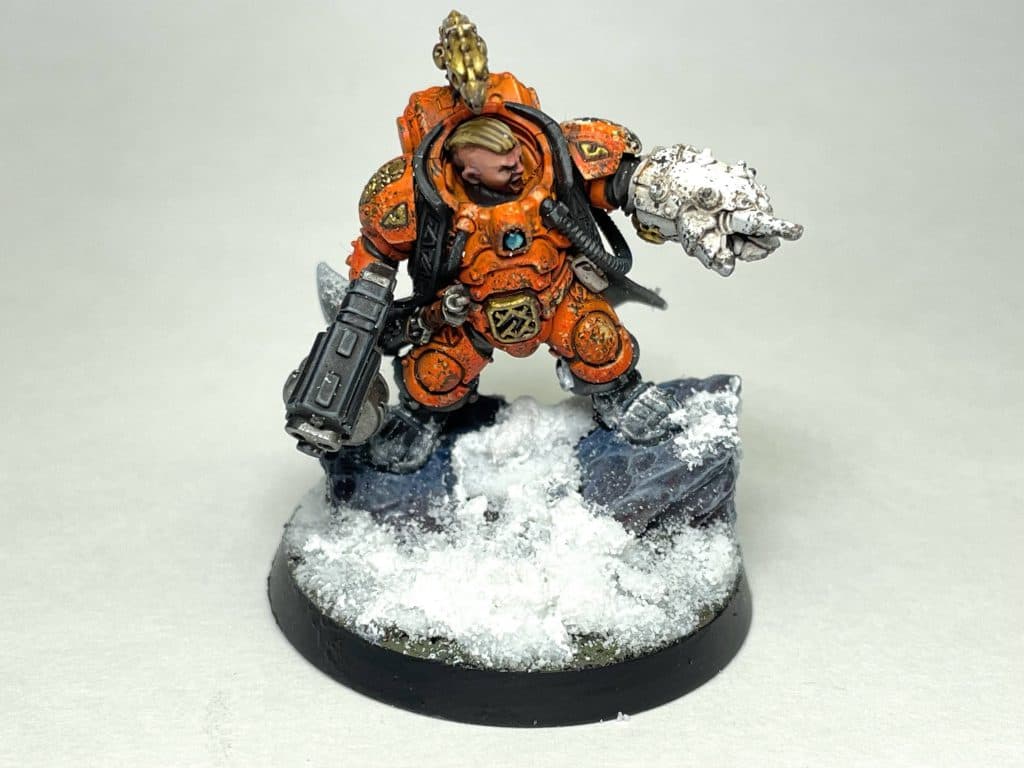
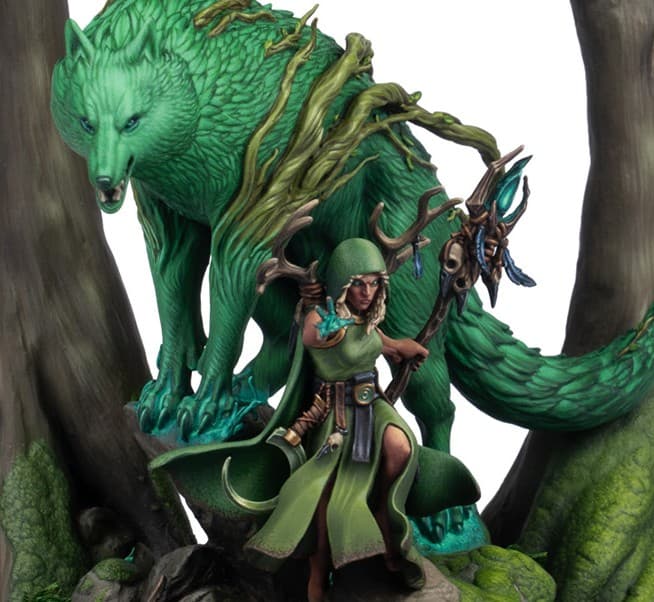
The Army Painter unveils Trench Crusade Sniper Priest painting guide
The Sniper Priest tutorial is more than a product push: it breaks down a grimdark paint recipe you can lift for robes, leather, and weathered military tones.

The useful part starts with the kit, not the lore
The new Trench Crusade Sniper Priest release is built to be painted, not just admired. The multi-part plastic kit lets you build two Priests and choose from four different weapons, which makes it a lot easier to justify the box if you want variety on the table or in the display case. That flexibility matters because the model sits inside a faction that already has a very specific visual language: stern, war-scarred, and soaked in the dirty atmosphere of Trench Crusade’s alternate-1914 hellscape.
What the Sniper Priest actually gives you as a painter
This is the part that should grab you if you care about technique more than shelf candy. The Sniper Priests of New Antioch are not just another masked marksman unit, they are the Unseen Priests of the Long Rifle, and the official lore frames them as blind but intensely faithful shooters who are said to rarely miss. That built-in contrast, the severe silhouette, the devotional role, and the martial hardware, is exactly why the sculpt is such a good teaching piece for grimdark painters.
- muted cloth transitions that still read as layered fabric
- grimy leather that looks worn rather than shiny
- blackened metals that feel functional, not polished
- restrained highlights that sharpen the figure without making it look toy-like
The model gives you room to practice the stuff that actually sells this style:
If you want a recipe that works beyond this exact miniature, this is the sort of model that teaches you how to keep texture intact while still building depth.

A paint recipe that is useful even if you never buy the kit
The Army Painter does not treat this as a simple showcase paint job. The tutorial leans hard on the John Blanche Masterclass range and the Warpaints Historical range, which is a strong signal that the goal is to build atmosphere first and clean finishes second. That matters, because the palette is doing the heavy lifting here: it is not about bright contrast or tidy edge work, but about getting a grim, slightly exhausted look that fits the setting.
The sequence is practical enough to copy directly. The model is primed with Matt Black Colour Primer, then the cloth starts with Midnight Olive. From there, the recipe moves through Webbing Green and Thicket Grove before finishing with small Ivory White highlights. That progression is smart because it builds a dirty green-black field without smoothing out the fabric texture, and the final white is used as a controlled pop rather than a broad highlight pass.
What makes the tutorial worth borrowing is the way it handles value without overworking the surface. Midnight Olive gives you a dark base that stays in the right tonal family. Webbing Green and Thicket Grove push the cloth toward an aged military feel, while the tiny Ivory White touches lift folds and edges without washing out the grimdark mood. If you have ever ruined a robe by making it too clean too fast, this recipe is the fix.
The tutorial also recommends the Wargamer Layer Brush for the opening passes, which is exactly the sort of small practical detail painters actually use. That brush choice fits the task: broad enough to cover fabric quickly, but still controlled enough to keep the layered passes crisp.
Why this release matters beyond one model
The bigger story is that The Army Painter is tying the Sniper Priest tutorial into a larger Trench Crusade paint ecosystem. The company says its Trench Crusade collaboration will produce a compact box set of seven curated paints, and the tutorial notes that the colors it uses will form the basis of upcoming Trench Crusade paint sets revealed at AdeptiCon. In other words, this is not a one-off demo. It is a preview of how the faction is meant to look when painted with the brand’s own tools.
That is a useful signal for anyone building a New Antioch force. If the tutorial palette becomes the backbone of the broader paint range, then the look you see here is likely the look the line is trying to standardize: dark, devotional, practical, and just expressive enough to carry the setting’s absurdity without losing coherence. The added hook is Carcass Front, the pre-order paint set named in The Army Painter’s AdeptiCon preview, with a planned in-store arrival in summer 2026. That makes the tutorial feel less like a standalone how-to and more like a preview of an entire product lane built around the same grim palette.
The lore supports the paint job
The Sniper Priest miniature also lands in the middle of a setting that already has a lot of visual identity. Trench Crusade describes itself as a skirmish-scale tabletop miniatures game set in a horrifying alternate timeline of World War I, and its digital rulebook pushes that idea further by placing the year at 1914, over eight hundred years after a heretical order of Templars broke their vows and unleashed Hell on Earth during the Crusades. That gives the faction an immediate reason to look corrupted, devotional, and ancient all at once.
The official lore page places Sniper Priests under the Principality of New Antioch faction materials, and the range is already being treated like a serious release rather than a side project. Trench Crusade’s news page says the Sniper Priest extended lore was written by Graham McNeill and illustrated by Mike Franchina, and it also notes that the plastic Sniper Priests were available for pre-order as part of the miniature range. That combination of lore, art, and plastic release makes the painting guide feel anchored to the actual identity of the faction, not just the marketing around it.
The takeaway for your hobby bench
If you are after a simple infantry paint job, this is the wrong miniature to chase. If you want a model that teaches you how to paint dark cloth, weathered leather, and restrained metals without losing contrast, the Sniper Priest tutorial is exactly the kind of guide worth stealing from. The reason it works is that it shows how to build the whole look from a black primer up through Midnight Olive, Webbing Green, Thicket Grove, and those tiny Ivory White accents, which is the sort of recipe that can improve an entire army.
That is the real value here: not just a new priest with four weapon options, but a clear, repeatable grimdark method that turns the Trench Crusade aesthetic into something you can put on your own bench and actually use.
Know something we missed? Have a correction or additional information?
Submit a Tip