color theory guide helps miniature painters plan stronger schemes
Stop treating paint choice like guesswork: this guide turns the color wheel, saturation, and value into a simple way to build readable miniature schemes.
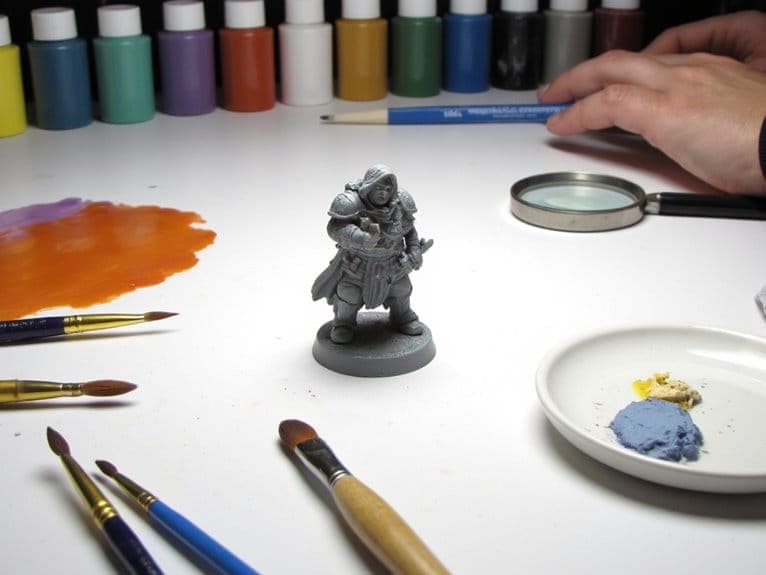
Start with the model, not the paint rack
The smartest thing in Aidan’s One Nerdy Dad guide is that it treats color choice like a design problem. That matters the second you sit down with a new Warhammer model and realize the hardest part is not painting, it is deciding what should lead the eye, what should recede, and what should stay quiet.
That is the real shift here: instead of grabbing colors because they look cool in isolation, you plan a scheme that works at arm’s length, in an army, or in a display case. Britannica’s definition of the color wheel gets right to the point, too. It is a diagram of visible-spectrum colors and their relationships, and artists use it to assemble color schemes. In miniature painting, that is not classroom theory. It is the difference between a model that reads instantly and one that turns into a muddy mess once the shades and highlights go on.
The color wheel is your shortcut, not your homework
One Nerdy Dad’s guide walks through primary, secondary, and tertiary colors because you need those basics before you can make good choices fast. If you know where a color sits on the wheel, you can predict what it will do next to another color instead of discovering the problem after the first basecoat dries.
Britannica also describes color in terms of hue, lightness, and saturation, which is exactly why a scheme can fail even when the colors seem right on paper. A bright red cloak, a dark red cloak, and a muted red cloak are all red, but they will not behave the same way once you add armor, skin, weapons, and base texture around them. That is why this guide works better than the usual pick-a-favorite-colors advice. It gives you the tools to think about how the miniature will actually read, not just how the swatches look in the bottle.
Use analogous schemes when you want the model to read cleanly
The easiest way to stop freezing at the paint stage is to start with analogous colors, the hues sitting next to each other on the wheel. One Nerdy Dad emphasizes them because they naturally reduce visual conflict, which is exactly what you want when the model has a lot of sculpted detail and you do not want every part fighting for attention.
This is the scheme I reach for when I want a piece to feel unified: a teal cloak, blue-green armor, and a touch of turquoise on the trim will look coherent without much effort. It is the kind of setup that makes a mini read cleanly from a few feet away, which is where most tabletop models live. Warhammer Community has already pushed this approach into mainstream hobby content with a Citadel Colour Masterclass focused on analogous schemes and the colour wheel, so this is not niche theory anymore. It is part of the standard miniature-painting toolkit.
Use complementary colors when you need a focal point
Complementary colors do the opposite job. Britannica explains that complementary colors sit opposite each other on the traditional color wheel and intensify one another when placed side by side. In miniature painting, that is how you make a face pop, a glowing weapon matter, or a banner stand out instead of disappearing into the rest of the model.
The trick is restraint. You do not need equal amounts of both colors everywhere. A deep green cloak with a red gem, or blue armor with orange-lit lenses, gives you contrast that feels deliberate instead of loud. That matters because contrast is not just about brightness. It is also about hue interaction and where the viewer’s eye lands first. If the model has one job, it is to pull attention to the right spot. Complementary colors are one of the quickest ways to do that.

Saturation and value are the part most painters underestimate
This is where Aidan’s guide gets especially useful. Saturation and value are the two variables that often get blurred together in hobby writing, but they solve different problems. Saturation is how intense a color feels. Value is whether it reads light or dark.
That distinction can save a scheme that looks flat on the palette. A saturated crimson cape will shout louder than a muted burgundy one, even if both are technically red. A pale bone-colored panel can lift a model visually even if its hue is close to the armor beside it, because its value is doing the work. If you are painting something like a monster face, a cloak lining, or a single armor plate you want to emphasize, changing value is often the cleaner move than chasing a totally different hue.
This is also where planning pays off in smoother blending and more confident mixing. If you know the color needs to stay dark but not dead, or bright but not neon, you can adjust saturation and value before you waste time repainting a scheme that looked good in your head and wrong on the miniature.
Why this fits the broader Warhammer painting ecosystem
One reason this kind of guide lands well is that the rest of the hobby already rewards deliberate planning. Warhammer Community has long explained that shade paints add depth, and Contrast paints can speed up base-color application. The original Contrast range launched in 2019, which tells you how much emphasis the hobby has put on faster, more intentional tabletop-ready results.
That matters because color theory is not separate from those tools. A good scheme makes shade paints work harder, because the shadows reinforce the intended structure instead of muddying the design. It also makes Contrast paints more useful, because you are choosing a palette with a clear logic before you start moving fast. If you know the role each color is supposed to play, you are not just trying to get paint on the miniature. You are building an image that still works after the final highlights and shadows are in place.
The practical takeaway for your next miniature
The best lesson in One Nerdy Dad’s guide is simple: stop asking what colors you like and start asking what the model needs. If you want harmony, reach for analogous hues. If you want a focal point, use complementary contrast. If the scheme feels flat, look at saturation and value before you blame the paint or the sculpt.
That is what makes this approach worth keeping on your bench. The color wheel is not there to make miniature painting more academic. It is there to keep you from staring at a fresh model, second-guessing every bottle on the rack, and ending up with a scheme that never really had a plan.
This article was produced by Prism’s automated news system from verified source data, official records, and press releases, then run through automated quality and moderation checks before publishing. The system is built and supervised by the people who set the standards it runs under. Read our full AI policy.
Did this article answer your question?