Free Garfy handle boosts comfort and control for miniature painters
A free Garfy handle can cut hand strain, steady your grip, and make long basecoat sessions feel easier without costing you a cent.
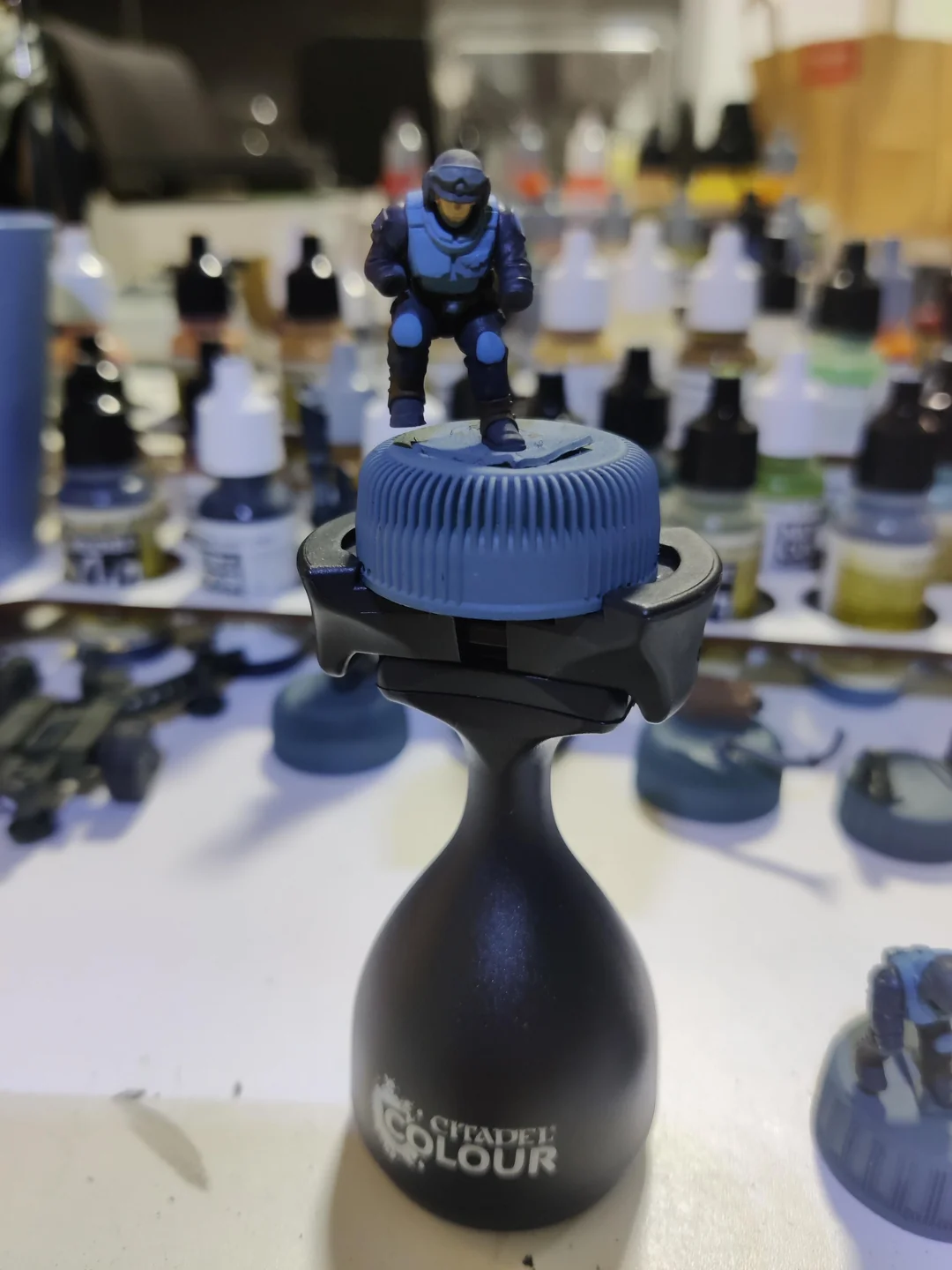
If you have ever finished a long basecoating session with a cramped hand and a paint-smeared thumb, you already know why a miniature painting handle matters. The Garfy Handle treats the handle as part of the core painting setup, not an optional extra, and does it with a free or DIY-friendly approach that fits a hobby where costs add up fast.
Why grip changes the paint job
A handle is not just about comfort, even though comfort is the first thing you notice. A stable grip helps you rotate the model cleanly, keep brush control steadier, and avoid the kind of accidental contact that ruins fresh paint with one sloppy touch. When you are basecoating, layering, or picking out details, those tiny corrections matter more than people think because the model is in your hand for the entire session.
New painters and experienced ones both feel the difference. Beginners often underestimate how much strain comes from pinching a bare base or awkwardly balancing a model between fingers, while display painters feel the difference when a long, precise session stops fighting their wrist and fingertips.
What makes the Garfy Handle appealing
The main draw here is straightforward: it is free. That immediately makes the Garfy Handle appealing if you want a practical tool without buying yet another item that may do the same job a cheap homemade solution can already cover. In a hobby where paint, brushes, basing materials, and minis all compete for the same budget, a no-cost handle has a real advantage.
It is a miniature painting handle solution rather than a novelty gadget. The question is not whether it looks clever on a desk, but whether it solves real problems in the hand. If you are the type of painter who values function over polish, a free handle earns attention because it gives you a way to test whether better support actually improves your workflow before you spend on a commercial option.
Where the design has to work in practice
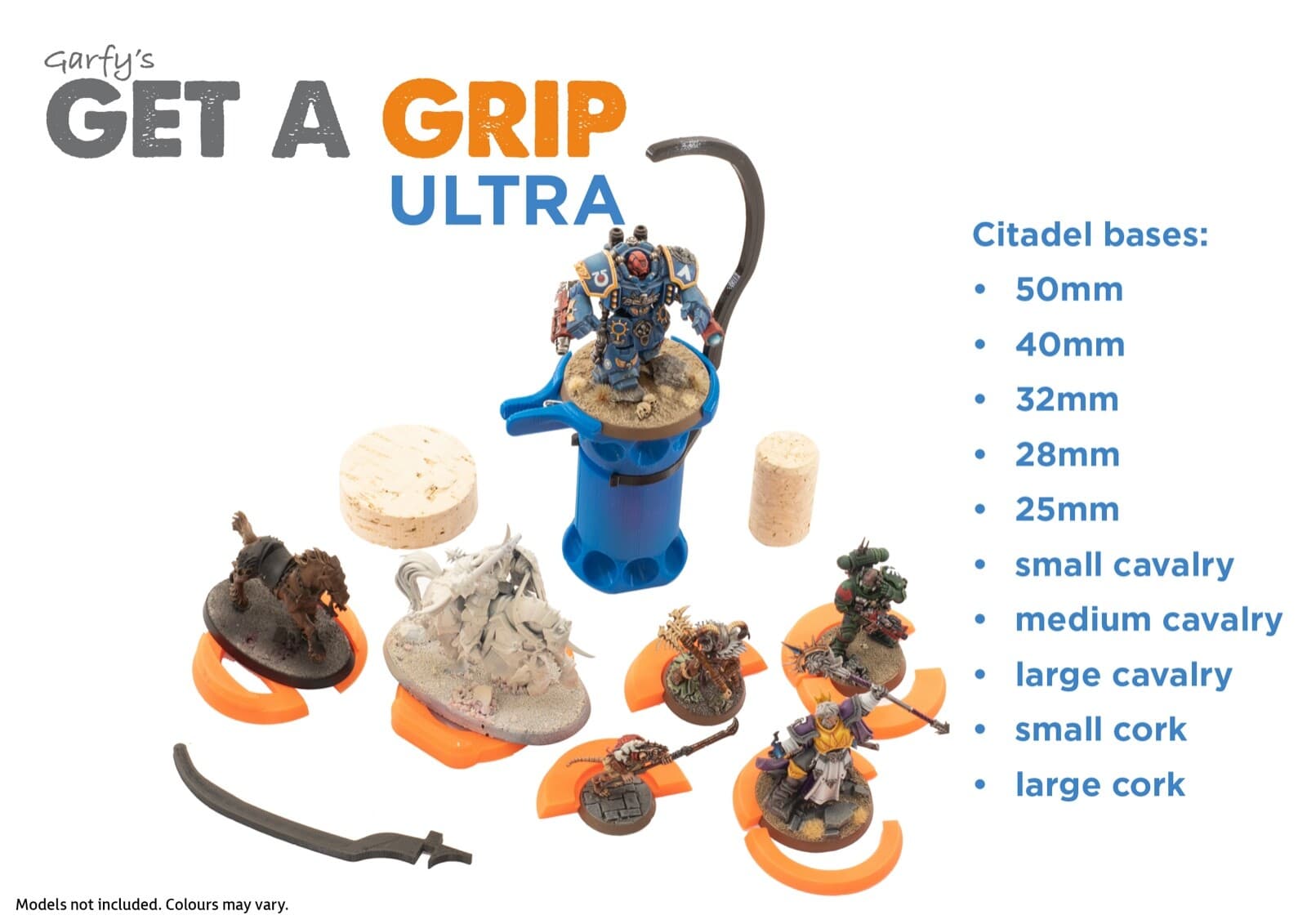
A useful handle needs to do more than hold a miniature upright. Compatibility with different base sizes matters because you do not paint one army in one exact format, and a handle that only works with a narrow range of bases stops being convenient very quickly. Secure attachment matters for the same reason: if the model shifts while you are trying to layer a cloak edge or paint a face, the handle has failed the basic test.
Comfort during prolonged use is another real filter. A handle can look fine for a five-minute test and still be annoying after an hour of basecoating or a long detail session, especially if the shape creates pressure points or forces your hand into a weird angle. Easy model removal matters too, because if taking the miniature off the handle becomes a small wrestling match, you will use it less often than you should.
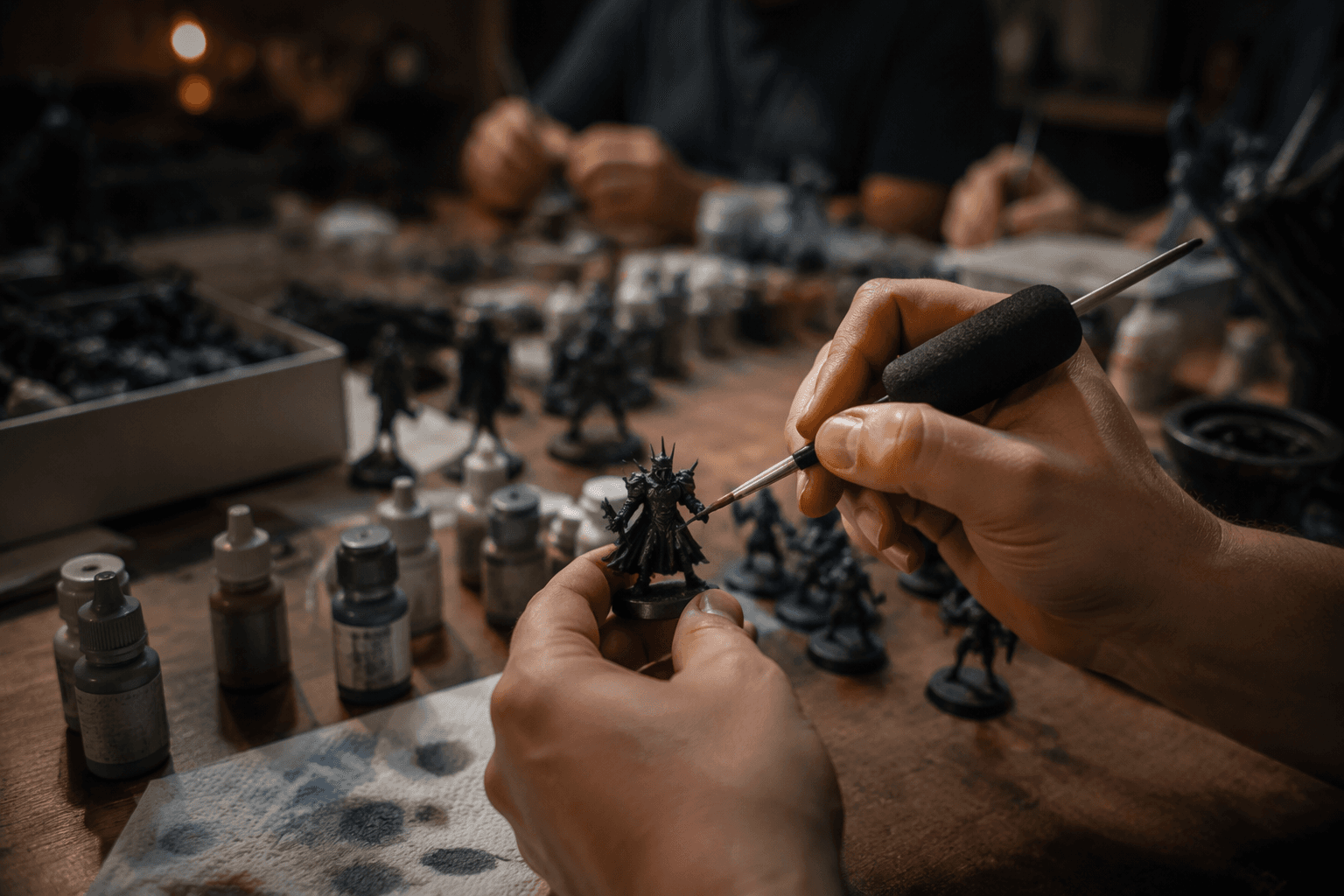
Then there is access. Some handle shapes can get in the way when you need to reach under an arm, behind a shield, or around a banner pole. A good design should support the model without turning hard-to-reach areas into a guessing game, and that is where a simple free solution can be surprisingly effective if it stays out of the brush path.
What the handle actually changes at the desk
The biggest payoff is session length. If your hand feels steadier and less fatigued, you are more likely to finish the current model instead of putting it down halfway through and losing momentum. That is especially useful when you are tackling a batch of infantry, because a handle that reduces strain can make a whole evening of repetitive basecoats feel manageable instead of draining.
It also changes how confident you feel while you work. A stable grip makes it easier to rotate the miniature deliberately rather than fumbling for a new angle with greasy fingertips, and that translates into cleaner edges, fewer accidental smudges, and fewer moments where you have to stop and repair damage you caused yourself. For display work, that extra stability supports the kind of fine brushwork where small shakes and awkward holds show up immediately on the finished piece.
How to decide whether you need one
You do not need to treat every handle as mandatory. If you mostly paint very small batches, do quick tabletop jobs, or already have a grip method that feels solid and comfortable, you may be fine keeping handles optional. The free Garfy Handle makes the decision easier because you can test the benefit without committing money first.
A handle is probably worth your time if any of these sound familiar:
- Your fingers get tired before your paint job does.
- You keep touching wet areas while rotating the model.
- You struggle to hold the miniature steady during layering or detail work.
- You want longer sessions without your hand becoming the limiting factor.
- You are setting up your first workstation and want one cheap tool that improves control immediately.
This article was produced by Prism’s automated news system from verified source data, official records, and press releases, then run through automated quality and moderation checks before publishing. The system is built and supervised by the people who set the standards it runs under. Read our full AI policy.
Did this article answer your question?