Miniature painter's helmet glow shows striking object source lighting effect
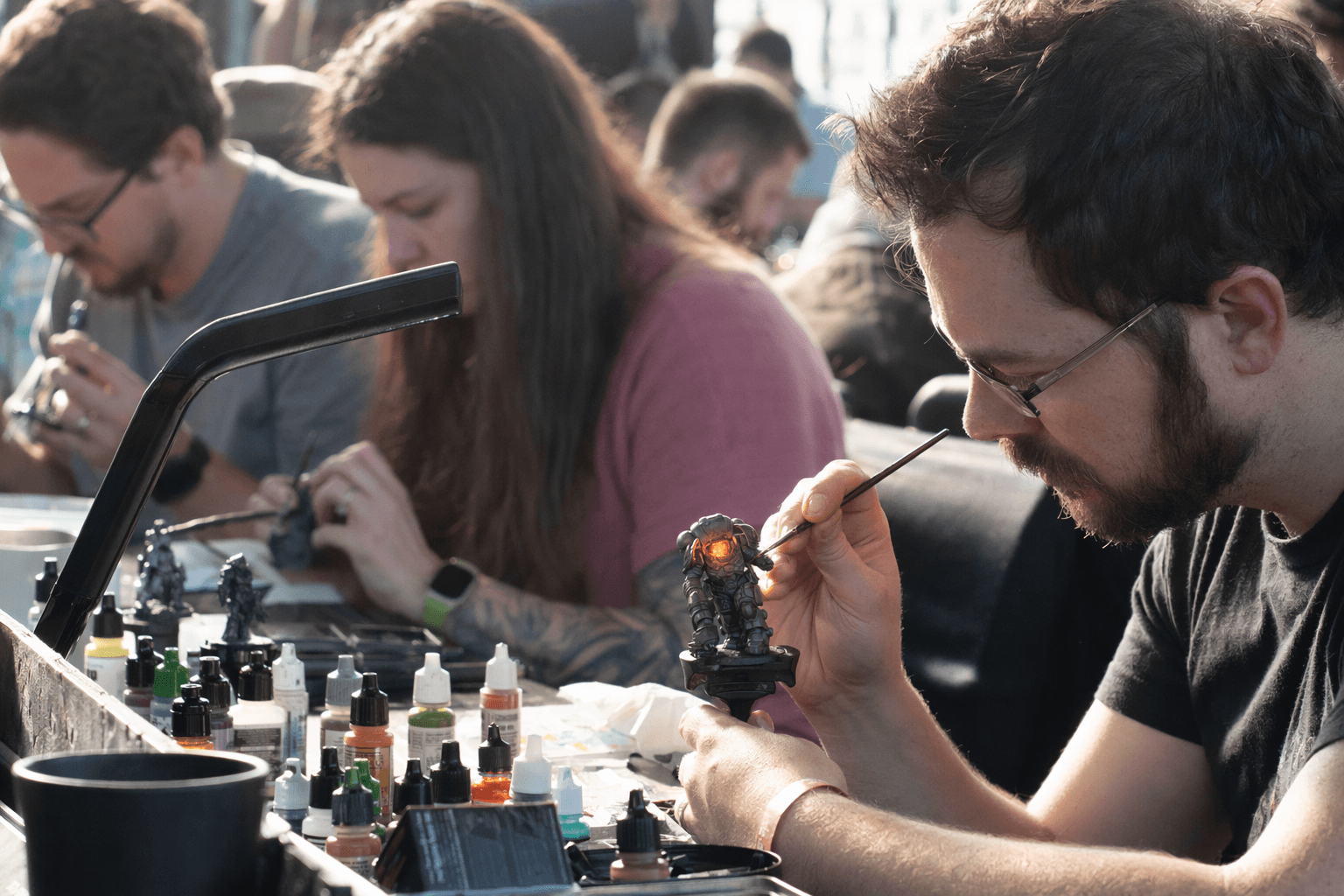
KTM91108712’s helmet glow turned a tiny interior highlight into a major OSL hit, with more than 1,300 likes and 180 reposts. The trick is simple, readable, and easy to adapt to troops, visors, and power armor.
Why this helmet glow hit so hard
KTM91108712’s partial glow on a helmet interior landed because it does one thing exceptionally well: it makes the light feel trapped inside the model instead of sprayed across everything around it. That smaller footprint gives the effect a cleaner read, and the response proves the point, with more than 1,300 likes and 180 reposts pushing the post well beyond a typical hobby nod.
This is exactly the kind of miniature-painting payoff that gets attention fast. The eye goes straight to the red-hot interior, the glow feels believable, and the rest of the miniature stays readable. For fantasy minis, sci-fi troops, and armored characters alike, that balance is often stronger than a broad, all-over light effect.
What object source lighting is really doing
Object source lighting, or OSL, is the miniature-painting technique of making parts of a model appear to emit light. In practice, that means painting the figure so a torch, lamp, blade, reactor, visor, or other element looks like it is throwing light onto nearby surfaces.
Warhammer Community described OSL in March 2024 as a complex but dramatic technique, and that remains the key appeal. The effect can be bold and cinematic, but it can also go wrong if the glow is too wide, too bright, or too evenly spread. KTM91108712’s helmet interior works because it keeps the effect focused. Instead of lighting the entire head, it suggests a small, intense source tucked where the viewer expects it to be.
That is why the partial glow feels more convincing than broad OSL. Real light usually fades quickly, especially inside enclosed spaces. A helmet interior, a visor slit, or a power-armor lens gives you a natural boundary that helps the glow read as intentional rather than painted-on decoration.
Why a small-area glow often looks better than a big one
The strongest OSL effects usually come from restraint. A bright source inside a helmet can sell the idea of heat, energy, or a display panel without forcing you to repaint the whole miniature in reflected light. The red-hot tones in KTM91108712’s work do this especially well, because they create a clear source and a clear mood at the same time.
That makes the technique ideal for everyday table pieces, not just showcase models. A careful interior glow can add drama to a sergeant’s helm, a trooper’s visor, or the faceplate of a power-armored warrior without taking over the rest of the paint job. It is a small-area trick with outsized visual impact, which is exactly why it resonates with painters who want strong results without turning every model into a full lighting study.
How the technique is usually built
The Army Painter recommends applying OSL late in the painting process, after the main miniature is already close to finished. That sequencing matters, because it keeps the glow from being muddied by later base coats, shading, or cleanup.
Their approach starts with a matte white undercoat on the intended light source and the area around it. From there, fluorescent or translucent color can be layered over the white to intensify the glow. That same logic shows up in a lot of hobby guidance: a bright base layer helps the color pop, and the surrounding tint helps the viewer understand where the light is spreading.
A practical version of the workflow looks like this:
1. Finish the main miniature first, so the glow does not interfere with the rest of the paint job.
2. Mark the light source and nearby surfaces that should catch the effect.
3. Lay down a matte white base where the glow should be strongest.
4. Build the color over that white with red, orange, fluorescent, or translucent layers, depending on the source you want to suggest.
5. Keep the glow tight near the source and softer as it moves outward.
That last step is where KTM91108712’s helmet interior really shines. The effect stays concentrated enough to read instantly, but it still leaves room for the model’s other details to do their job.
From a classic diorama to today’s table armies
OSL has deep roots in the hobby. Victoria Lamb’s 2001 Slayer Sword-winning diorama, The Rescue of Sister Joan, is widely cited as one of the first well-known gaming-miniature pieces to use the technique now commonly called OSL. Victoria Miniatures has described that work as a landmark moment, and it remains a useful reminder that today’s glow effects come from a long line of ambitious painting experiments.
That history matters because it shows how much the hobby has changed without losing the core challenge. What once stood out as a showpiece idea is now something painters can use on troops, heroes, and display models with far less intimidation. The modern appeal of KTM91108712’s helmet glow is that it takes a technique associated with big, dramatic scenes and compresses it into a clean, repeatable detail.
For sci-fi armies, that means you can use the same idea on visor slits, sensor eyes, cockpit interiors, power-armor nodes, and helmet linings. For fantasy models, it works just as well on glowing runes, cursed helms, and firelit openings. The principle stays the same: make the source obvious, keep the spill controlled, and let the glow support the miniature instead of overwhelming it.
KTM91108712’s post hit because it proved that OSL does not need to be huge to be memorable. A focused glow inside a helmet can carry more realism, more mood, and more table impact than a broader wash of light, and that is why the effect keeps pulling in painters across the hobby.
This article was produced by Prism’s automated news system from verified source data, official records, and press releases, then run through automated quality and moderation checks before publishing. The system is built and supervised by the people who set the standards it runs under. Read our full AI policy.
Did this article answer your question?