Miniature painting’s roots trace back to Tudor court portraiture
Tudor court miniatures were built for close inspection, and that same logic still shapes how you paint faces, edges, and display pieces today.
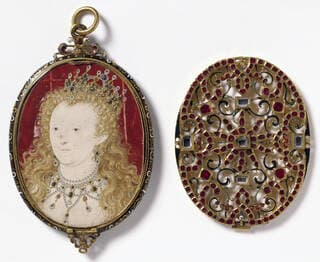
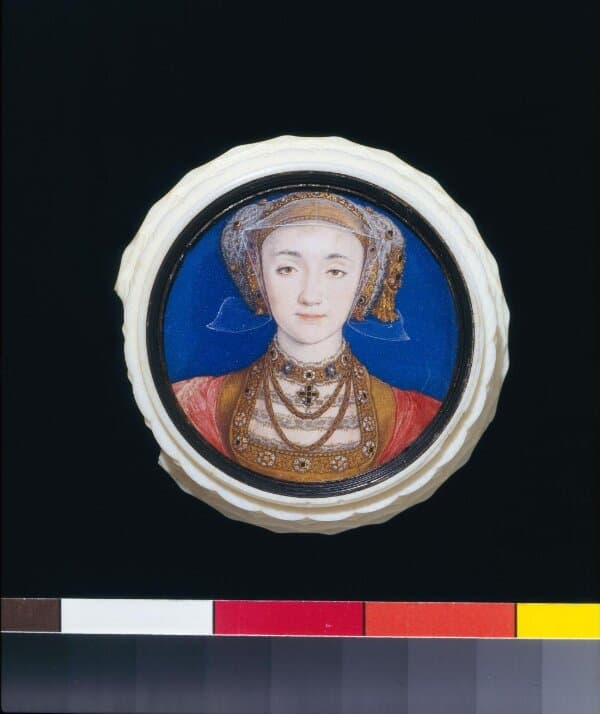
The problem every miniature painter knows is older than the hobby itself: how do you make a face read at a scale so small it almost disappears under the brush? Portrait miniatures were already solving that in the 1520s, when they first appeared at the courts of Henry VIII in England and Francis I in France. The Victoria and Albert Museum traces the form even further back, to the medieval craft of illuminating handwritten books, which is why tiny brush control and clean line placement still feel native to miniature work.
From manuscript page to court jewel
What makes the earliest miniature tradition useful to you now is that it was built on intimacy, not distance. Britannica describes miniature painting as a finely wrought small portrait made on vellum, card, copper, or ivory, and links the term to minium, the red lead used by medieval illuminators. That origin matters because it explains why the format rewards tight work, slow layering, and a surface read at close range rather than from across the room.
The Victoria and Albert Museum’s portrait miniature collection gives the clearest view of how that tradition developed, with about 2,000 examples spanning the 16th through 19th centuries. The museum also notes that few miniatures survive from before the 1560s, so the objects that remain are only part of an earlier courtly practice. For a modern painter, that means the surviving record is best read as a technical archive: how painters solved likeness, finish, and scale when every stroke had to count.
Why these objects were prized
These were never just small paintings. Miniatures were portable luxury objects, often worn or carried as jewelry, and they could signal affection, loyalty, political allegiance, or private remembrance. The Metropolitan Museum of Art notes that they were frequently mounted in lockets, brooches, and bracelets, which turns the display problem into part of the art itself: a miniature had to work as an image and as an object.
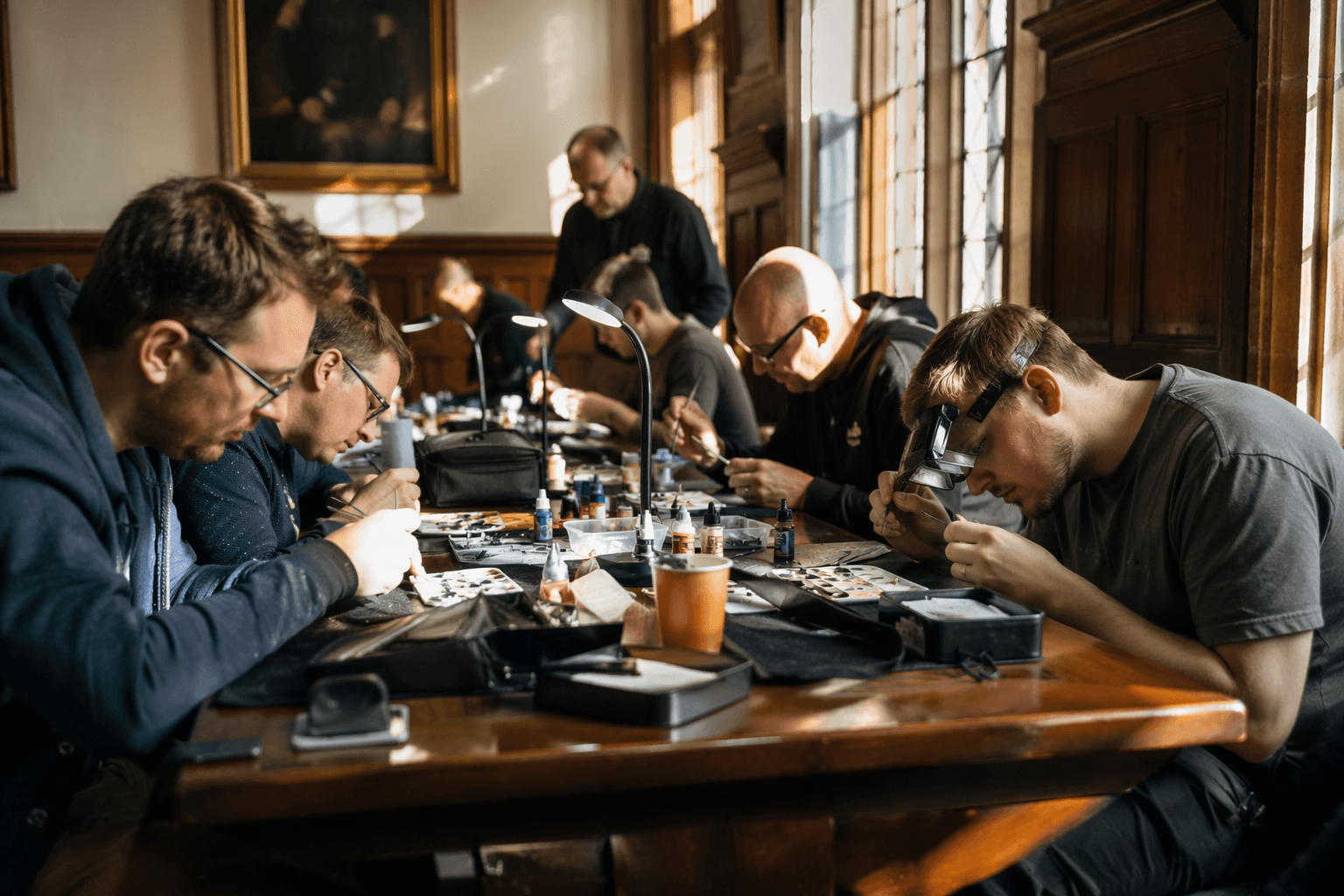
That social role helps explain why the format spread beyond the court. The Met says patronage extended to political and merchant elites, not just royalty and aristocrats, so the market was broader than the usual Tudor or Stuart silhouette suggests. In practical terms, that is a reminder that miniature painting has always been about presentation as much as pigment, because the frame, mount, or casing changes how the work is seen and how carefully it has to be finished.
The materials changed, the discipline did not
By the 1630s, patrons had another option: enamel miniatures. The Victoria and Albert Museum identifies Henri Toutin of France as the maker of the earliest known signed and dated enamel portrait miniature, and Jean Petitot as the artist who popularized the medium while working in both French and English courts. Enamel miniatures were especially fashionable in Britain from the 1720s to the 1760s, and they could serve as diplomatic gifts, awards for official service, or memorials tied to marriage, loyalty, and loss.
That material shift is one of the most useful lessons for a modern bench. Enamel forced a different kind of finish, but the underlying discipline stayed the same: small forms had to stay legible, precious, and durable. Sitters often commissioned enamel copies alongside an original oil portrait, which shows a recurring miniature-painter problem that still exists now: when a piece is meant to be handled, worn, or displayed at close range, the surface has to survive scrutiny as well as looking good in a photo.
The tradition also branched into related formats such as plumbagos, silhouettes, and watercolor-on-paper portraits, which shows that miniature painting was never tied to one single recipe. That is a useful corrective for hobby work today. If you are choosing between a matte finish, a glossy sealed surface, or a more jewel-like presentation, the old miniature world gives you permission to think in terms of function first and medium second.
What the old court painters still teach your brush
The old portrait miniature tradition is still practical because it was always solving the same problems you face on a 28 mm face, a hero bust, or a display piece under glass. Early American portrait miniatures make that especially clear: the Met notes that they were often painted in watercolor on ivory and required considerable technical mastery. Its American holdings include nearly 600 portraits by more than 150 artists, spanning two centuries from the mid-18th through the mid-20th, which shows how long the same small-format demands kept working outside the European court.
A modern mini painter can borrow several things directly from that lineage:
- Favor controlled value shifts over heavy contrast spikes. Miniatures depended on tiny highlights and careful modeling to preserve likeness at small size.
- Keep your line placement deliberate. In a format inherited from manuscript painting, a misplaced edge reads louder than a large brushstroke on a canvas.
- Build for close inspection. These works were meant to be worn, held, and looked at up close, so the finish has to reward near viewing.
- Choose color with purpose. The historic miniature tradition often leaned on restraint, because preciousness came from clarity and precision rather than from filling every inch with saturation.
- Think about the object, not only the image. A mounted miniature, a locket, or an enamel case changes the visual weight of the piece, and that same logic applies to display bases, frames, and varnish choices today.
That is the real through line from Tudor court portraiture to the modern painting desk. The format began in royal rooms, but its surviving lesson is much smaller and much more useful: if the eye has to travel only a few inches, every decision about line, value, surface, and mount becomes part of the likeness.
This article was produced by Prism’s automated news system from verified source data, official records, and press releases, then run through automated quality and moderation checks before publishing. The system is built and supervised by the people who set the standards it runs under. Read our full AI policy.
Did this article answer your question?