Miniature scale and proportion explained, why 28mm models vary
Two models can both say 28mm and still clash on the shelf. The fix is reading scale, proportion, and basing together before you buy or kitbash.

Two figures both sold as 28mm can still look and fit very differently once they are on the desk. Scale is a model’s size relative to a chosen reference point, not a guarantee of identical height or bulk. If you have ever bought a kit that looked perfect in the store photo and then felt wrong beside your existing army, the problem usually starts there.
Scale tells you how a model is being measured, but it does not tell you how chunky the hands are, how high the eyes sit, or whether the sculptor built the body for drama on the table rather than realism in a display case.
Scale numbers, measured bodies, and the fine print that matters
Scale can be relative, absolute, or a hybrid Miniatures Nexus calls relative “absolute” scale. That sounds academic until you are trying to mix ranges, because each approach can change how a model is presented even when the package number looks familiar. A figure described as 28mm may be measured from a different point than another 28mm figure, which is enough to create a visible mismatch in height and bulk.
In its sculpting notes, Warlord Games uses the sole-of-foot-to-eyes convention for 28mm miniatures. That choice matters because the crown of the head is not the reference point, and it means body height can vary with footwear, pose, and helmet shape. Once you know that, a pair of 28mm infantry kits that seem off together stops looking like a mistake and starts looking like a measurement problem.
Proportion is where the personality of a range lives
The line most buyers need to watch is between scale and proportion. Miniatures Nexus lists realistic proportions, heroic scale proportions, top-down proportions, chibi proportions, and power proportions. Those labels explain why one sculpt feels anatomically restrained while another has a giant head, oversized hands, or a weapon that looks built to be read from across a gaming table.
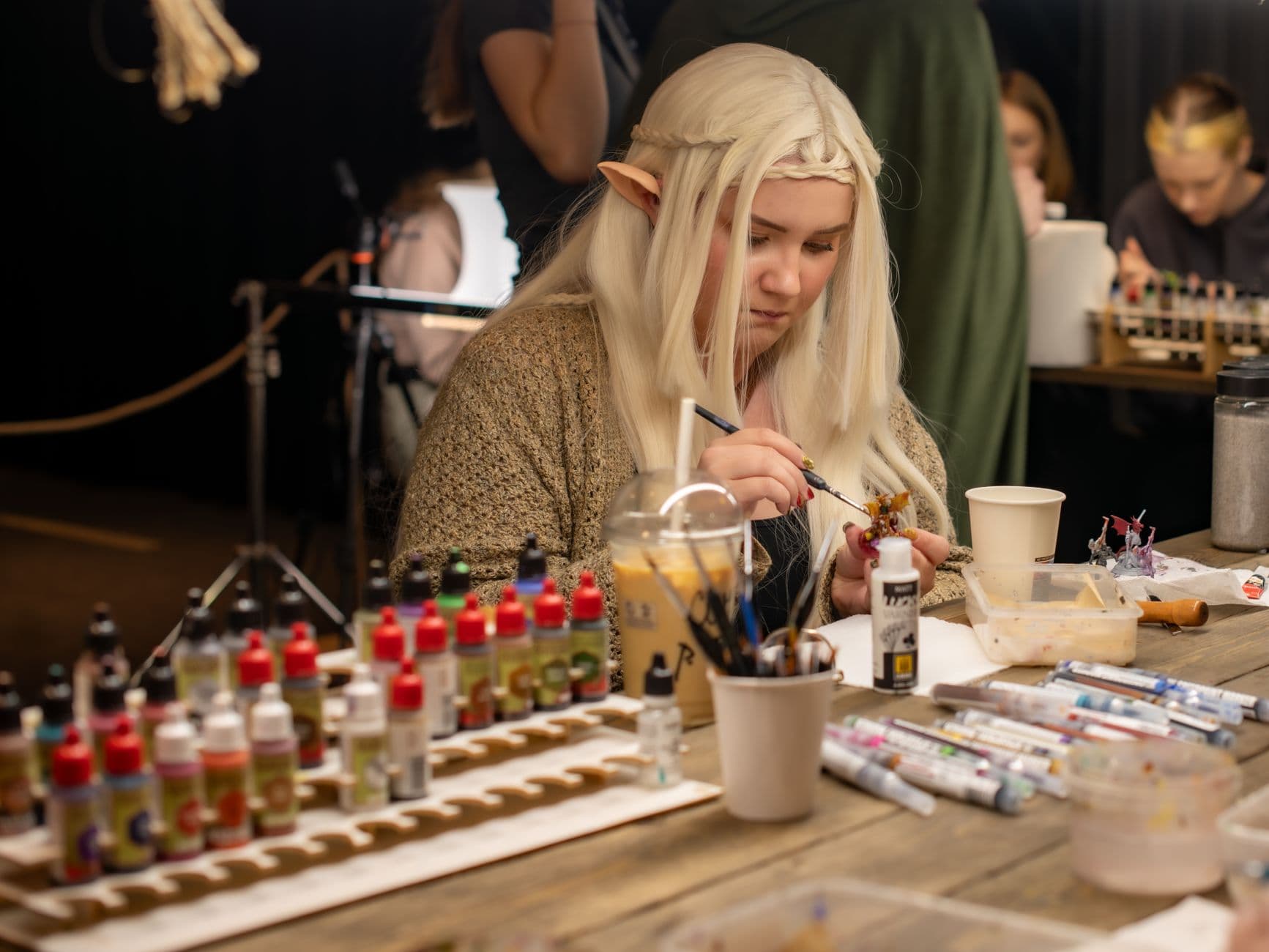
Heroic scale is especially important because it changes both the paint job and the table presence. A larger head, a broader chest, or a more dramatic sword is not automatically bad sculpting, it is often a deliberate design choice that makes a miniature easier to recognize at arm’s length and easier to pick out with a brush. Reaper Miniatures says the vast majority of its models are 25mm Heroic Scale and scale-comparable to other popular figure lines, which tells you the line is built around a readable tabletop look rather than strict anatomical realism.
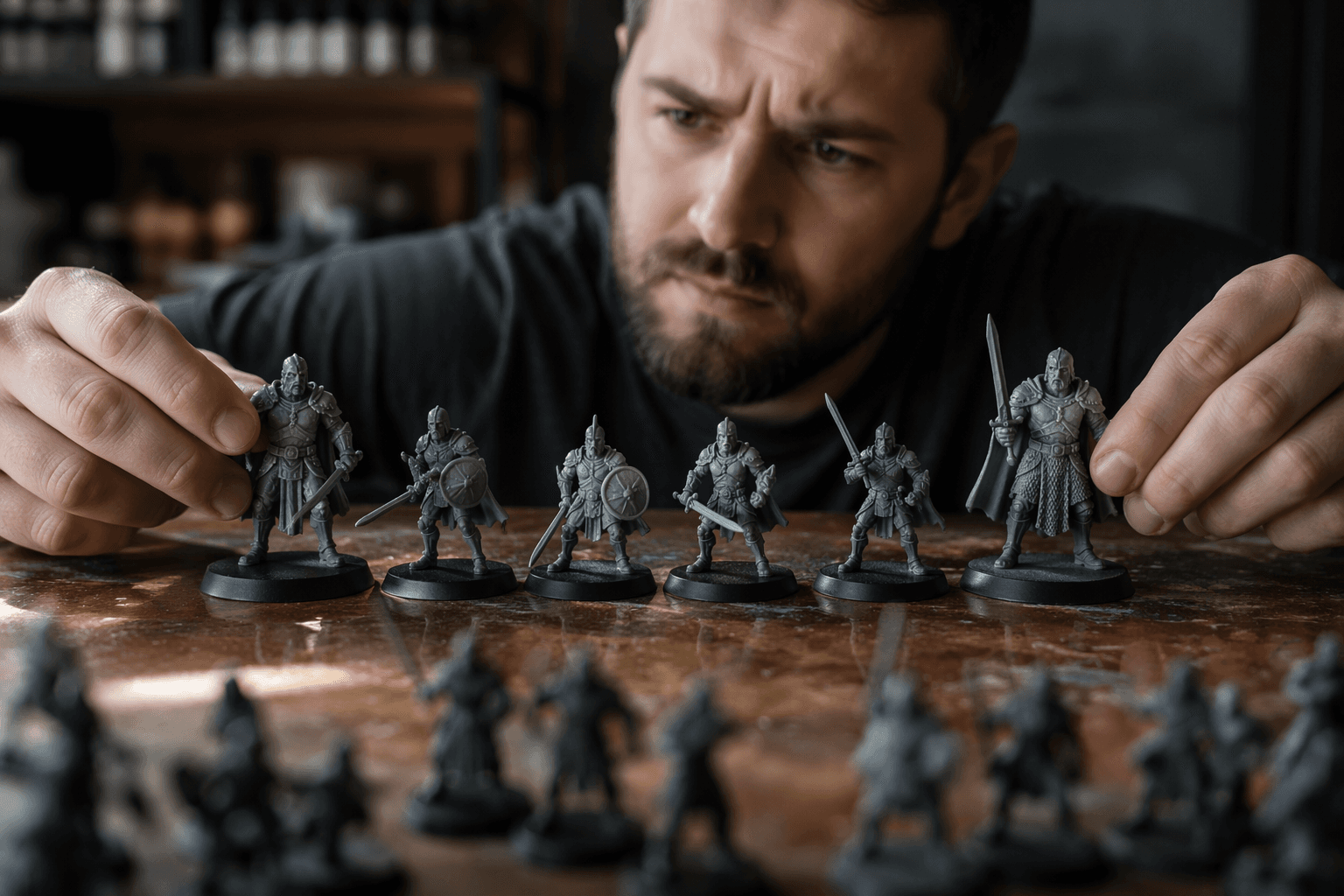
A heroic 25mm figure can feel closer to another brand’s 28mm figure than to a leaner, more realistic 28mm sculpt, because the proportions are doing as much work as the raw height.
Where the mismatch shows up first
The first place scale and proportion trouble shows up is often the base. If the footprint, stance, and body mass do not match the size of the rest of your collection, the whole army starts to look uneven even before you paint a highlight.
Terrain is the second pressure point. That is where scale mistakes become obvious fast. A doorway that looks fine for one range can swallow a smaller figure or make a larger one look as if it belongs in a different game entirely, while walls, stairs, and vehicles all reveal whether your collection shares the same visual logic.
Cross-brand mixing creates the sharpest contrast. Warlord Games markets its plastics, resin, and metal lines as 28mm historical miniatures, while Reaper foregrounds 25mm Heroic Scale, so ranges may sit comfortably together or show visible contrast in height, heads, and limbs.
Why the hobby keeps arguing about compatibility
A Warlord Games forum post complaining about newer plastic infantry kits described them as becoming more heroically oversized and less compatible with earlier figures. That kind of complaint shows up whenever a range evolves over time, because a company can keep the same broad scale label while changing body shape, pose language, and overall bulk.
Perry Miniatures says its founders, Alan Perry and Michael Perry, are well known 28mm sculptors and former sculptors for Foundry and Games Workshop. That background means range identity in this hobby is often tied to a sculpting tradition as much as to a label on the box, and those traditions shape whether a figure is meant to match older collections, fit a dense rank-and-file unit, or read clearly on a skirmish table.
A practical buying check before you commit
The safest way to buy is to compare three things together: the listed scale, the sculpting style, and the surrounding models you already own. A 28mm label can be compatible with one army and awkward beside another, especially if one line uses heroic proportions and the other aims for a more realistic silhouette. That is also why manufacturer photos, side-by-side measurements, and notes about where the figure is measured are worth more than a single number.
- head size and hand size compared with your current models
- base footprint and how the pose sits on the scenic base
- weapon length, backpack bulk, and helmet height
- whether terrain, vehicles, and doorways are built for the same visual scale
- whether the line is marketed as heroic, realistic, or something in between
Before you add a new range to an existing shelf, check for:
The part that makes 28mm useful, not confusing
In miniature gaming, Wikipedia defines 28mm as a measurement relative to a chosen reference point rather than an absolute real-world height.
This article was produced by Prism’s automated news system from verified source data, official records, and press releases, then run through automated quality and moderation checks before publishing. The system is built and supervised by the people who set the standards it runs under. Read our full AI policy.
Did this article answer your question?