One Nerdy Dad explains how to thin miniature paints for smooth layers
The right mix turns chalky, streaky basecoats into smooth layers, and One Nerdy Dad’s rule is simple: test on the palette before it ever hits the miniature.
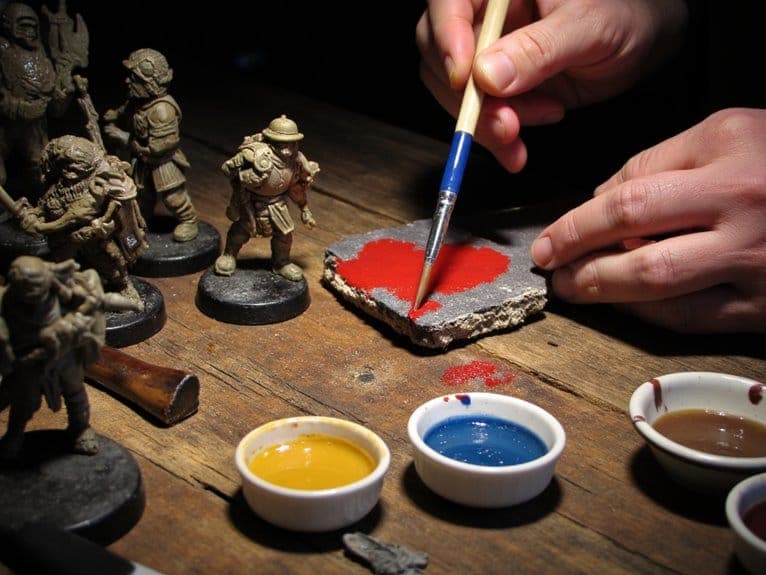
Skimmed milk is the hobby benchmark for paint consistency on a miniature palette. Much thicker than that and the paint drags, leaves a rough surface, and starts burying rivets, trim, and texture; much thinner and it behaves like wash water instead of a controlled coat.
The same paint that looks harsh and grainy straight from the pot can become controllable enough for basecoats, layering, and eventually glazing if you learn how to judge consistency at the desk.
Start with the paint, not the water
The simplest habit is also the most useful: put undiluted paint on the palette first, then thin from there. That gives you a reference point for how the pigment behaves before you start changing it, which matters because not every color responds the same way. White pigments tend to run thicker and usually need more thinning than darker colors, and paint chemistry shifts from brand to brand, so a ratio that works once will not be a universal law.
For basecoats, One Nerdy Dad uses roughly a 1:3 water-to-paint ratio. That is lean enough to lay down a smoother coat without immediately burying detail, but still strong enough to cover. When the job shifts to layering and you want more transparency, the mix moves closer to about 1:1, which keeps the layer thin but lets earlier color show through more deliberately.
Use your palette like a test bench
A wet palette is one of the best tools for this work because it keeps acrylic paint moist and workable for longer. Vallejo’s wet palette is built around the same idea and even includes wells for mixing or thinning colors, which makes it useful when you are dialing in a specific consistency rather than just trying to keep paint open between brush loads.
The habit is testing the mix on the palette before you touch the miniature. That lets you see whether the paint spreads evenly, whether it is still too heavy, and whether the pigment is moving the way you want. A good test mix gives you enough control to see the difference between a coat that will smooth out and one that will start clogging texture.
Keep the brush tip lightly loaded. Do not soak the bristles. A brush packed with paint tends to flood recesses and leave you fighting pooling, while a controlled load lets you place the paint where it belongs and keep the sculpt sharp.
What over-thinning actually breaks
The warning against too much water is not theoretical. Over-thinning weakens adhesion and can strip away coverage, especially on difficult colors and on textured sculpts where the paint has more surface to fight through. In practice, that is where people get frustrated, keep adding water, and then wonder why the first coat looks patchy or fragile.

This is also where white paint earns its bad reputation. Because white pigments are thicker, they often need extra thinning to behave, but they still need enough body to cover. Push them too far and you get a watery layer that looks clean in the palette and disappointing on the model.
The fix is small adjustments, not a huge jump. Add a little water, test again, and stop when the paint sits in that skimmed-milk zone.
Thin coats make the next techniques possible
Thinning sets up the rest of the paint job. Glazing is a thin, controlled layer built from paint thinned with water or medium, with the excess wicked off before it reaches the miniature; Warhammer Community treats it as a fundamental skill. That same discipline is what lets you shade softly, blend transitions, knock back highlights, and tint an area without burying the work underneath.
The Army Painter’s beginner workflow starts with the basecoat once the model is assembled and primed. The basecoat is where you establish coverage and control before moving into more transparent effects later on. If your first layers are too thick, every later step gets harder, not easier.
Citadel Colour has a dedicated thinning lesson, and Warhammer Community keeps publishing painting videos and guides on thinning, glazing, and clean application.
The workflow that actually holds up at the desk
Start with paint on the palette, thin gradually, test the mix, keep the brush lightly loaded, and let each layer dry before the next one goes down.
Once you learn to read that skimmed-milk stage, chalky texture gives way to smoother surface finish, brush streaks stop showing through the coat, and detail stays visible instead of getting smothered by a heavy first pass.
This article was produced by Prism’s automated news system from verified source data, official records, and press releases, then run through automated quality and moderation checks before publishing. The system is built and supervised by the people who set the standards it runs under. Read our full AI policy.
Did this article answer your question?