Star Wars Legion Scarif beach basing turns terrain into storytelling
Scarif beach basing gives Legion armies a full Rogue One identity fast, using sand, debris, and bunker cues to tell the story without advanced display skills.
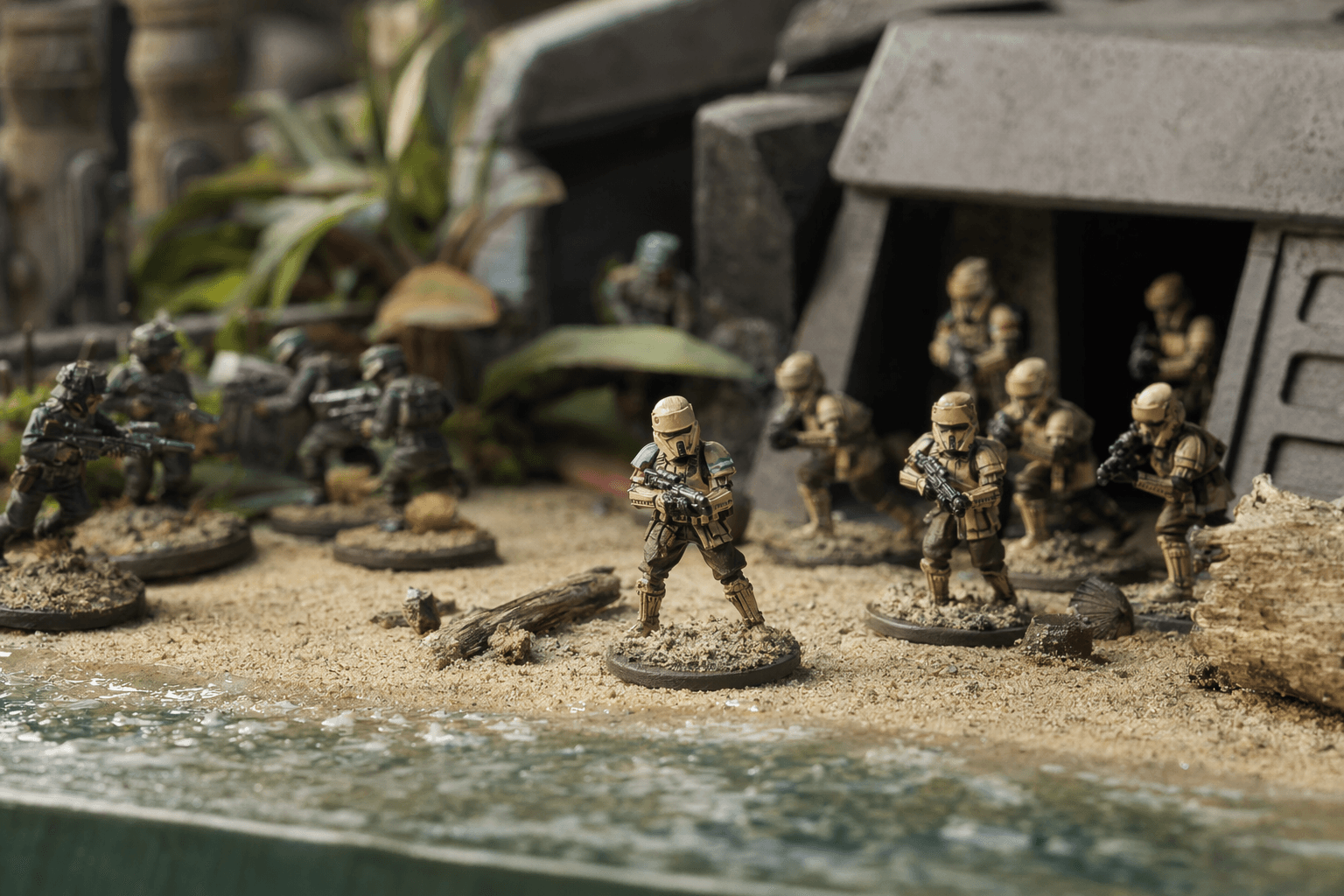
A Scarif beach base can change the whole read of a Star Wars Legion force before a single face or armor panel is finished. Beezer’s How to Paint Everything piece for Goonhammer treats the base as the storytelling canvas, and that is exactly why this approach hits so hard: it gives a Rogue One-era army a shared visual identity without asking for advanced display-basing work.
Why Scarif works as a basing theme
Scarif is one of those Star Wars locations that already does half the design work for you. In canon, it is a beautiful tropical paradise, but it also houses a major Imperial military installation and serves as the principal construction facility for the Imperial war machine. That contrast is the heart of the look. You are not just painting a beach, you are painting a beach under occupation, where warm sand, weathered hardware, and defensive structures all belong in the same frame.
That makes Scarif especially useful for Legion players building a force-wide theme. A base recipe like this can tie together units that otherwise vary from squad to squad, because the environment becomes the unifying detail. The army feels like it belongs to the same battle scene, not just the same faction.
The look to chase: tropical, but controlled
The easiest mistake with a Scarif base is pushing the beach too far toward bright holiday postcard territory. The stronger read is cinematic and practical at the same time: pale sand, restrained color, and enough variation to keep the surface from going flat. The research points toward exactly that balance, with room for weathered debris, subtle vegetation, and the sharper, more artificial shapes that signal Imperial infrastructure.
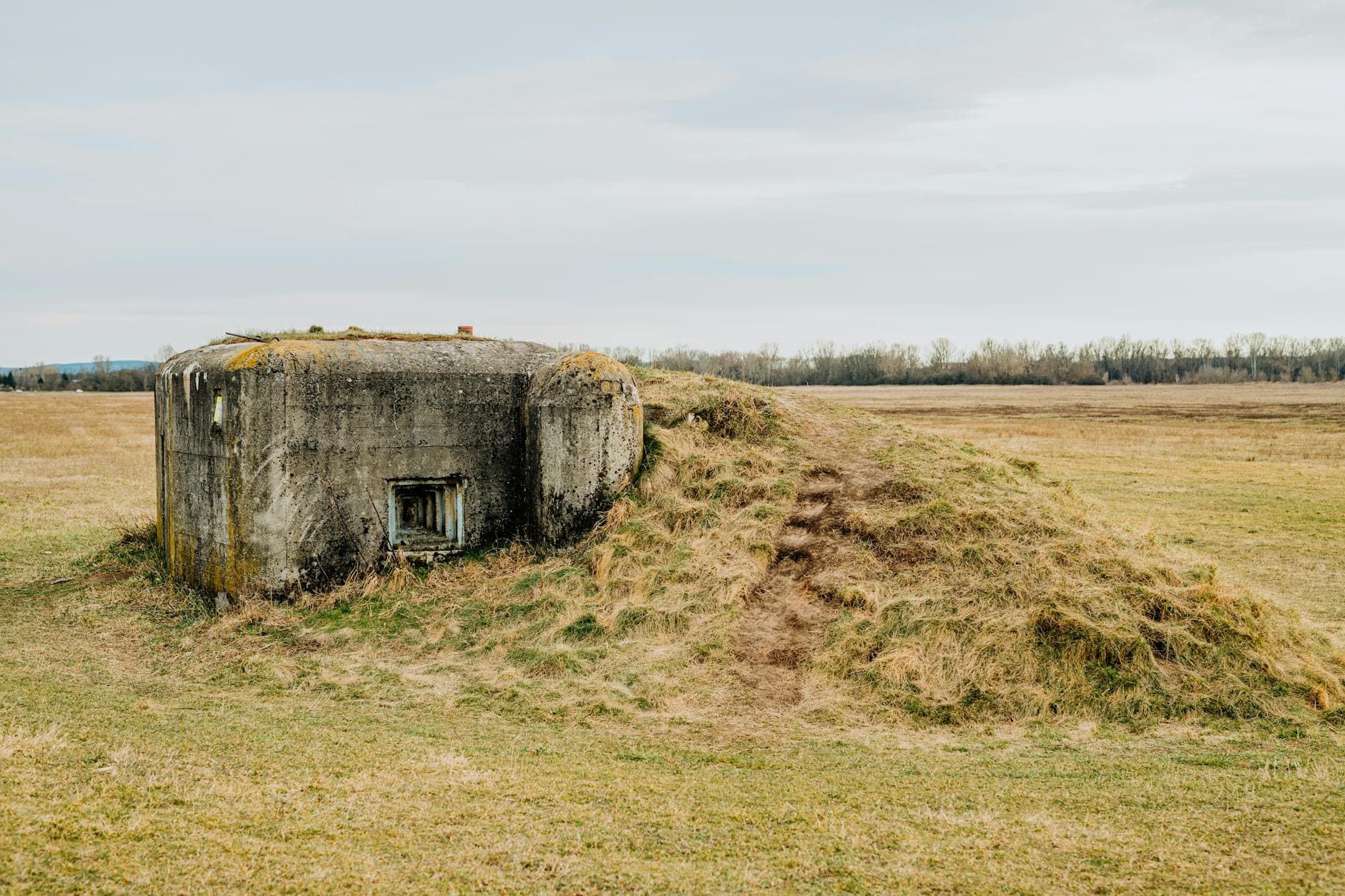
That interplay matters. Scarif is not just coast and water; it is beaches and bunkers, sand and steel, a tropical scene cut through by military geometry. If you carry that tension into your basing, the miniatures stop looking like they are standing on a random sandy plinth and start looking like they are on the actual battlefield from Rogue One.
Texture does the heavy lifting
The strongest shortcut in a Scarif scheme is to lean on texture before you lean on detail. A convincing beach does not need a pile of tiny accessories, but it does need a surface that breaks up the light and avoids the smooth, monotone look that makes sandy bases read as unfinished. Layering, texture, and weathering are doing the same job here that they do on scenic terrain: they make the ground feel lived in.
That is where this kind of project overlaps with terrain painting. A good base borrows the mindset of a small scenic piece, even if it stays perfectly usable for tabletop play. The goal is not to build a diorama that competes with the model; it is to give the model a believable footing in Scarif’s landscape.
What to emphasize on the base
- Pale sand as the foundation, not a bright, flat yellow
- Small bits of weathered debris to suggest the Imperial presence
- Sparse vegetation so the beach feels coastal rather than barren
- Harder, more artificial shapes to echo bunkers and military construction
- Weathering that softens the scene instead of making it look toy-like
Those choices keep the base rooted in Scarif’s identity. They also let you repeat the recipe across an entire army without every unit looking identical, because the same palette can shift from one base to the next with small changes in debris placement or vegetation density.
Why shoretroopers make the scheme click
The Star Wars Databank calls shoretroopers specialist stormtroopers stationed at the top secret Imperial military headquarters on Scarif, and says they patrol the beaches and bunkers of the planetary facility. That detail gives the base scheme an immediate narrative anchor. If your force includes Imperial troops, shoretroopers, or any Rogue One-era collection, the base is not just decorative, it is directly in conversation with the fiction.
That is also why Scarif feels broader than a single movie reference. Rogue One: A Star Wars Story gave hobbyists a modern, instantly recognizable battlefield, but it also gave them a location where the environment itself tells the story. A beach base built around Scarif says Imperial occupation, coastal defense, and the pressure of war without needing a wall of extra bits.
Legion is built for this kind of visual identity
Star Wars: Legion was first announced on Aug. 18, 2017, and its core set released on Mar. 22, 2018. It is an infantry-based miniatures game, and players assemble and paint their armies before play begins, which is exactly why basing matters so much. Every model sits in the open on the table, and every base helps sell the setting before dice are rolled.
That structure rewards themes that can be repeated across a force. A Scarif recipe works because it can be applied army-wide, from a single trooper to a full 800-point collection, and still read as one visual story. If you want a force that feels like it stepped straight out of Rogue One, the base is one of the fastest places to make that happen.
The Rogue One connection gives the scheme its punch
Scarif landed with players because Rogue One framed the planet as more than scenery. The beaches are where the Rebel Alliance, led through the film by figures like Jyn Erso, Cassian Andor, Bodhi Rook, and Saw Gerrera, collides with the machinery of the Galactic Empire, and Darth Vader’s presence makes the whole setting feel like the edge of something larger. Mon Mothma, too, stands at the political side of that conflict, giving the story a scale that reaches beyond a single landing zone.
That is the reason Scarif is such a strong hobby reference. It belongs to the Outer Rim Territories and the Raioballo sector, but it also belongs to a very specific visual memory: white sand, Imperial fortification, and the sense that a postcard world has been turned into a war zone. A base that captures even part of that contrast gives your Legion force immediate personality.
What to steal for your own army
The best part of the Scarif approach is how forgiving it is. You do not need a complicated display system to make it work. Keep the sand restrained, break it up with texture, add a little debris, and let just enough vegetation and structure peek through to sell the location.
That combination does something a generic beach base never quite manages. It turns the model into a piece of Star Wars storytelling, and for Legion that is the real payoff. The base stops being an afterthought and becomes the thing that tells you, at a glance, exactly where this army belongs.
This article was produced by Prism’s automated news system from verified source data, official records, and press releases, then run through automated quality and moderation checks before publishing. The system is built and supervised by the people who set the standards it runs under. Read our full AI policy.
Did this article answer your question?