Synthetic brushes challenge Kolinsky sable for miniature painters
Synthetic sable is good enough for most basecoating, layering, and detail work, while Kolinsky still matters when point retention is everything.
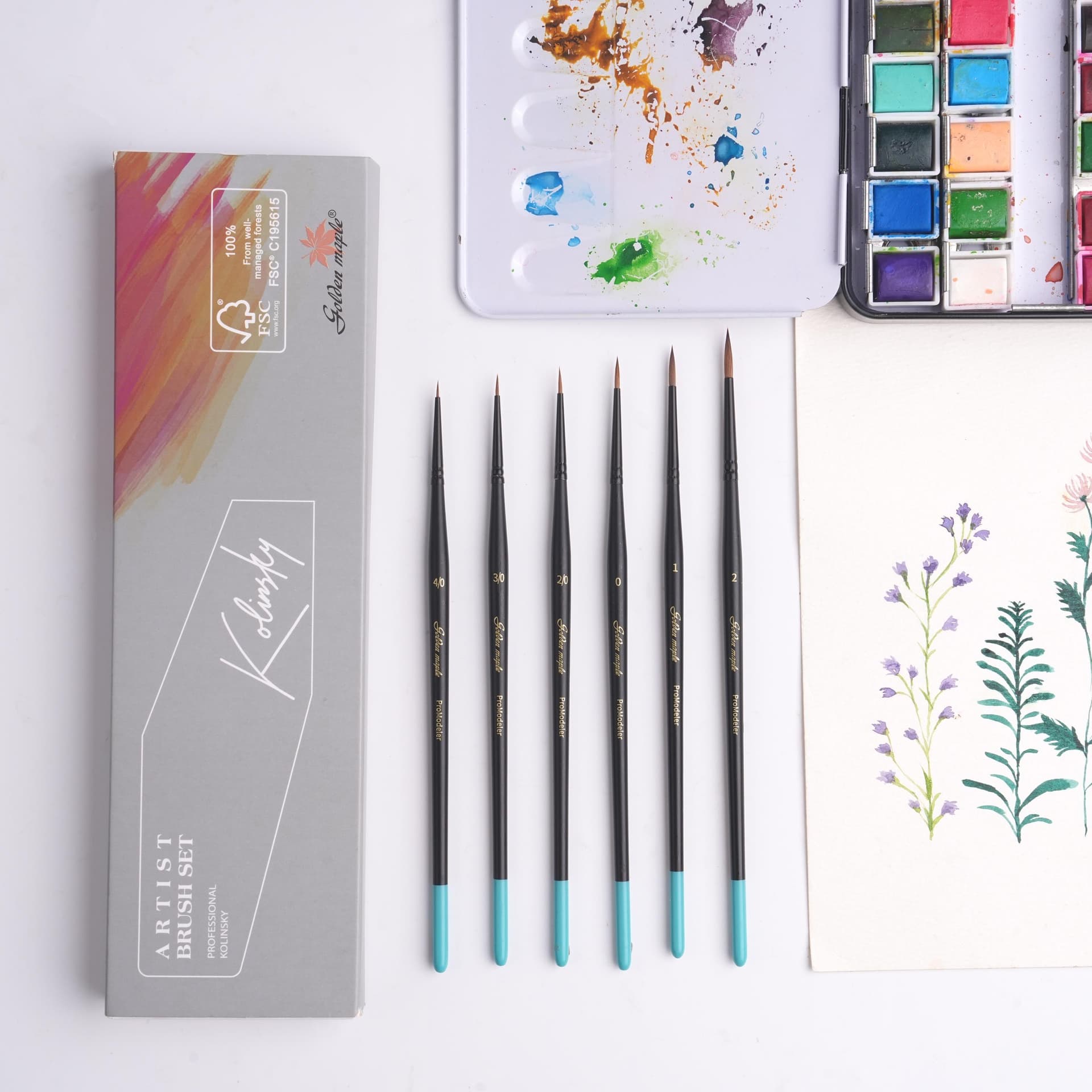
A 2014 Fish and Wildlife Service embargo stopped imports of fine art brushes made by Winsor & Newton, DaVinci, and Raphael. Kolinsky sable is still the name painters reach for when they want the sharpest point in the drawer, but it is not the only brush that can get miniature work done. For basecoating, layering, glazing, and plenty of detail work, modern synthetic sable and a few hybrid hair types now offer the better buy: lower cost, easier cleanup, and enough control to keep tabletop results clean. The real question is not whether synthetic has replaced sable in some abstract sense, it is which brush gives you the right mix of spring, color carry, and durability for the model in front of you.
Why Kolinsky still has the reputation
Kolinsky earns its status for a reason. Kolinsky sable hair is conical in shape, has a long tapered point, and carries a thick belly. Rosemary & Co. calls it the best hair available for artist brushes. That combination is exactly why painters still trust it for fine lines and precise placement, especially when the brush needs to land one controlled stroke after another without splaying.
Supply has also been a problem. Once a brush line is hard to source, expensive to replace, or simply unavailable, the value of a reliable substitute stops being theoretical and becomes part of the everyday painting workflow.
Where synthetic sable earns its place
Synthetic sable is no longer the bargain-bin fallback it used to be. Winsor & Newton developed its Professional Watercolour Synthetic Sable brushes after rigorous artist testing, with the goal of matching the quality and performance painters expect from natural sable. Excellent color-carrying capacity, resilient spring, and shape retention are the three things miniature painters notice fastest when a brush starts to feel tired.
Synthetic sable is marketed for durability and easier maintenance as much as for performance. Clean lines and consistency are exactly what you want for edge highlights, controlled glazing, and steady basecoats on armor plates, cloaks, and banners. Winsor & Newton’s short-handled synthetic sable brushes in multiple sizes and shapes also show where demand is headed.
If you are laying down base colors on rank-and-file infantry, pushing thin layers over smooth panels, or glazing shadows into recesses, a well-made synthetic sable will often deliver the same finished result as a more expensive natural brush, with less anxiety about washing, reshaping, and long-term wear.
The middle ground is more useful than the purity test
Not every alternative falls neatly into the synthetic-versus-Kolinsky split. Winsor & Newton positions Sceptre Gold II as giving performance close to sable at a price close to synthetic. That hybrid pitch makes sense for painters who want more refinement than a basic synthetic, but do not want to pay full price for a pure sable brush they will abuse with metallics, textured paints, or fast cleanup cycles.
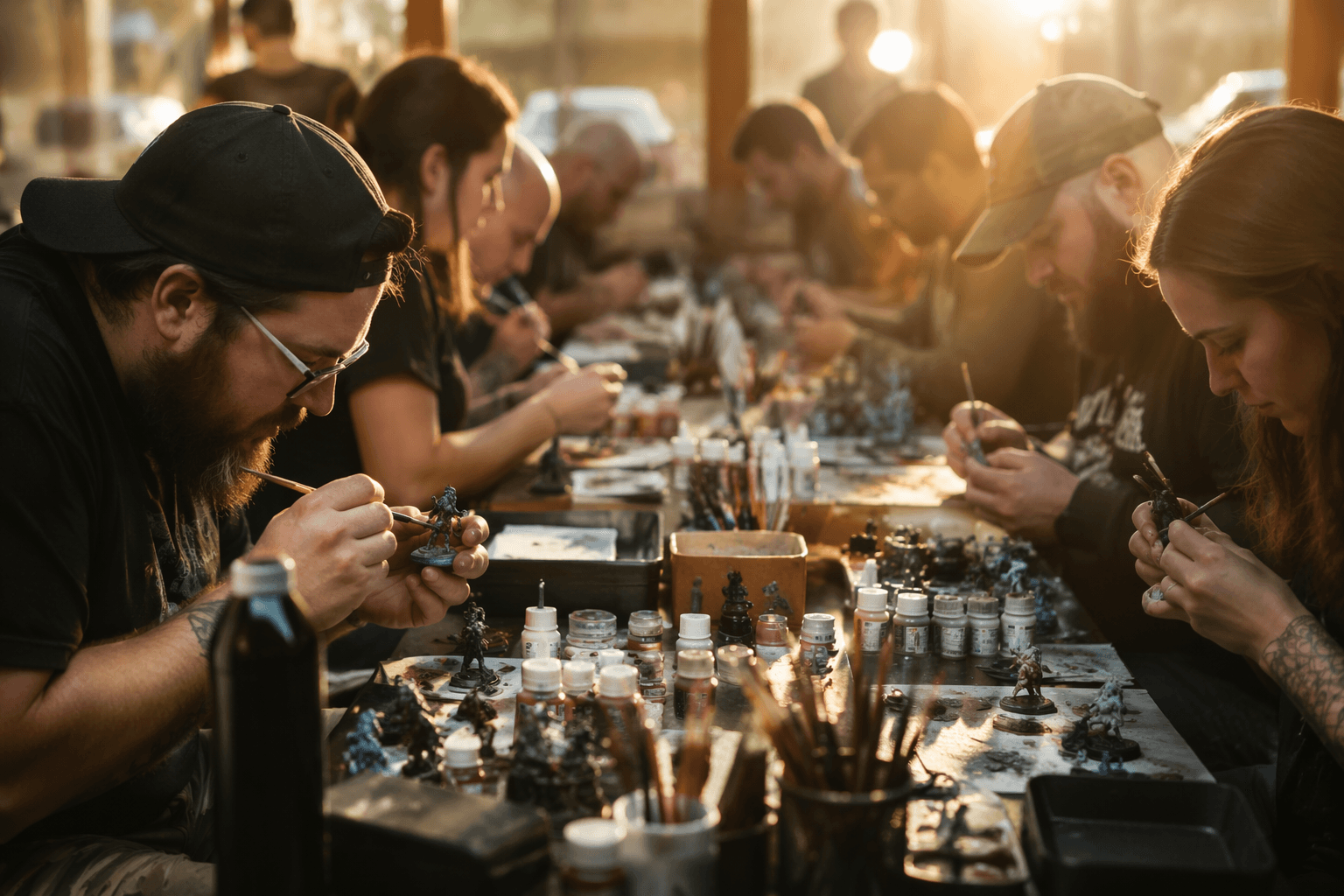
The other natural-fiber alternatives have their own personalities too. Mongolian hair, weasel hair, and pony hair are not interchangeable with one another, because each brings different softness, spring, and handling characteristics. Taklon sits in a useful middle zone as well, bridging traditional natural hair and fully synthetic construction. None of these options is a universal Kolinsky replacement, but they give you a wider set of tools when one perfect brush is not available or not worth the spend.
That specialization is obvious in Rosemary & Co.’s miniature-brush range: Kolinsky Sable, Red Sable, Squirrel, and Sable-Nylon. Miniature painters already shop by task and feel, not by one material being “correct” in every situation. A brush that behaves beautifully for feathered layering may not be the one you want for dirty work, and a hair type that excels at softness may not hold the same point under pressure.
Use the right substitute for the job
If you want a practical rule, start with the task and work backward to the hair. For bulk paint application and general army work, a synthetic sable is usually the most sensible first purchase because it is durable, easier to maintain, and good enough to keep surfaces smooth. For layering and glazing, synthetic sable still belongs in the conversation because its spring and shape retention can keep transitions clean without forcing you to baby the brush.
For detail work, the answer gets narrower. If you are painting eyes, freehand lines, edge highlights, or tiny lenses and you need the brush to hold a needle point through repeated strokes, Kolinsky still has a real advantage. That is where paying for sable can actually matter, because the brush’s point, belly, and paint load become part of the result rather than just part of the experience.
That does not mean every detail brush has to be a luxury buy. A good synthetic sable in a short handle can be more than enough for most tabletop painters, and a hybrid like Sceptre Gold II is a smart compromise when you want something a little more refined without jumping straight to the highest price bracket.
How to buy without overthinking it
Keep one synthetic workhorse for the heavy lifting, one better-feeling blend or synthetic sable for layering and cleaner lines, and reserve Kolinsky for the moments when point retention and paint control really change the outcome. That mix costs less than building a drawer full of prestige brushes, and it covers the tasks miniature painters actually do most often.
This article was produced by Prism’s automated news system from verified source data, official records, and press releases, then run through automated quality and moderation checks before publishing. The system is built and supervised by the people who set the standards it runs under. Read our full AI policy.
Did this article answer your question?