Tyranids gain three new detachments, reshaping 10th-edition army building
Three new Tyranid detachments are pushing painters toward Lictors, Warriors and centerpiece monsters, with Leviathan’s 72-model launch still looming large.
The biggest Tyranid reveal is not just a rules tweak, but a painting prompt: three new detachments are about to push collectors toward very different projects, from shadowy ambush creatures to towering centerpiece beasts and full broods of Tyranid Warriors. Ambush Predators, Talons of the Norn Queen and Warrior Bioform Onslaught each cost a single Detachment Point, and in a 2,000-point Strike Force game players get three points to spend. That means a Tyranid force can stack all three or mix one into an existing Codex detachment, turning army building into a genuinely visual decision as much as a tactical one.
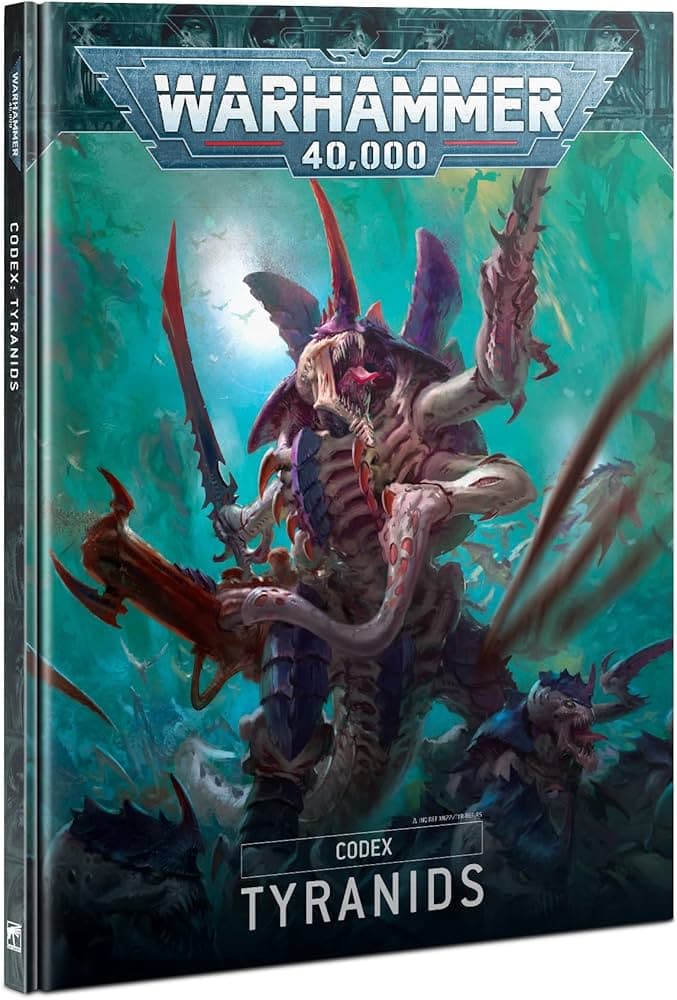
Games Workshop already set the scale for the range when it positioned Codex: Tyranids as the first Codex of Warhammer 40,000’s 10th edition. The 120-page book replaced the Tyranid Index and added six new detachments alongside 47 Tyranid datasheets. The launch was tied to Leviathan, the 72-miniature boxed set that gave painters an enormous starting project and made Tyranids one of the edition’s defining hobby armies from the outset.
Ambush Predators looks like the detachment most likely to shape tables and painting desks alike. It leans into close-range attacks, concealment and sudden movement, with Lictors getting special attention for easier Deep Strike play and hidden positions in dense terrain. Encircling Horrors lets several vanguard organisms make a free move when enemies come near, which is the kind of rule that encourages a collector to paint a cohesive stalking force: darker carapaces, broken-up camouflage, grim basing and high-contrast claws that still read at a glance on a packed board. A Lictor force, especially one built around the kind of vicious silhouettes Warhammer Community has spotlighted before, begs for tight shadow work and aggressive edge highlights.
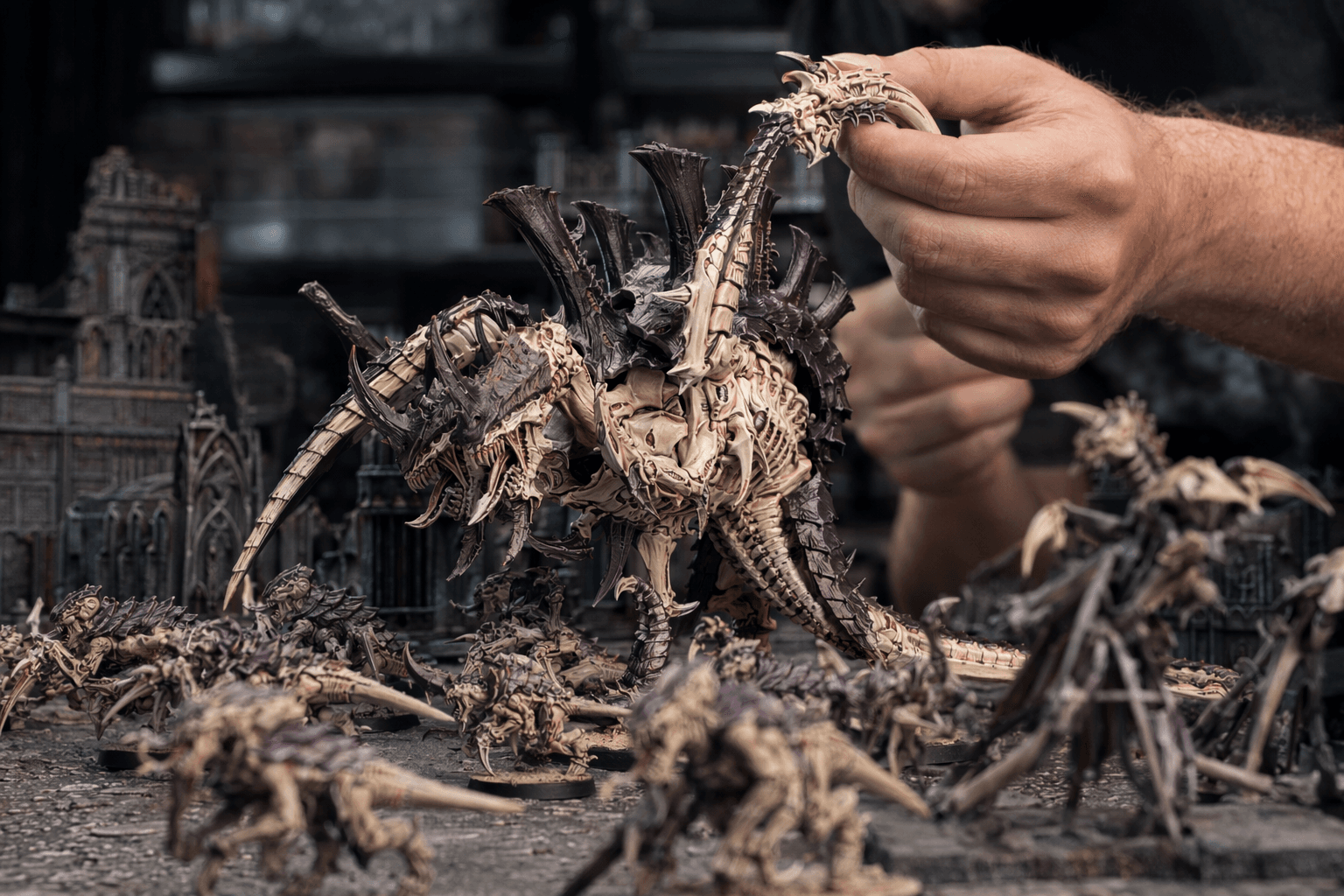
The other two detachments point painters in the opposite direction. Talons of the Norn Queen suggests a force built around synapse-heavy monsters, the kind of models that reward smooth blends, polished chitin and big display-base treatment. Warrior Bioform Onslaught pushes attention toward Tyranid Warriors and other mid-sized bioforms, which usually means batch painting, repeated carapace recipes and careful color consistency across multiple units. That matters because Tyranids are already one of the most visually flexible armies in the range, whether collectors lean into classic hive-fleet looks or invent their own swarm identities.
Warhammer Community has spent years reinforcing that visual range. It has described Leviathan as the single largest and most widespread hive fleet, noted Behemoth as the first Tyranid hive fleet encountered by the Imperium, and highlighted painting guides for Leviathan, Behemoth, Kraken, Gorgon and Jormungandr. Its community showcases have gone even further, featuring a stylized Leviathan army, a vivid Lictor, a Neurolictor painted like a treefrog and a heavily highlighted Norn Emissary and Deathleaper. The message is clear: the new detachments do not just change how Tyranids fight. They point directly at the next wave of swarm batches, monster projects and color-scheme experiments.
This article was produced by Prism’s automated news system from verified source data, official records, and press releases, then run through automated quality and moderation checks before publishing. The system is built and supervised by the people who set the standards it runs under. Read our full AI policy.
Did this article answer your question?