Answer Code Request returns with Halo, his first album in eight years
Answer Code Request’s Halo stretches Berghain-honed techno into brighter, more emotional terrain, with Delsin listing the LP for June 26 and a 2LP date of July 3.
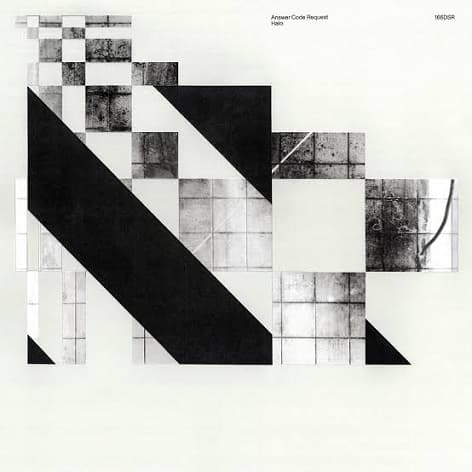
Patrick Gräser has pushed Answer Code Request back into focus with Halo, a full-length that takes the Berghain-school precision he built his name on and opens it up into something more exposed, more melodic, and more emotional. Delsin listed the album for June 26, 2026, while a separate 2LP retail listing set the vinyl date at July 3, giving the rollout a split timeline that fits a record already positioned as a step beyond routine club utility.
Halo arrived as Gräser’s first album in eight years, and that gap matters because his catalog has always tracked a very specific strain of Berlin techno. Berghain’s own Code page identified his 2014 debut LP as the first full-length from an emergent resident on Ostgut Ton, while the venue’s Gens page framed the 2018 follow-up as a move away from the bass euphoria of Code toward darker horizons. Discogs also places Shattering in 2022 and LED, his 2024 collaboration with Amotik, in the run-up to Halo, reinforcing the sense of a producer who had not disappeared so much as worked further into his own language.
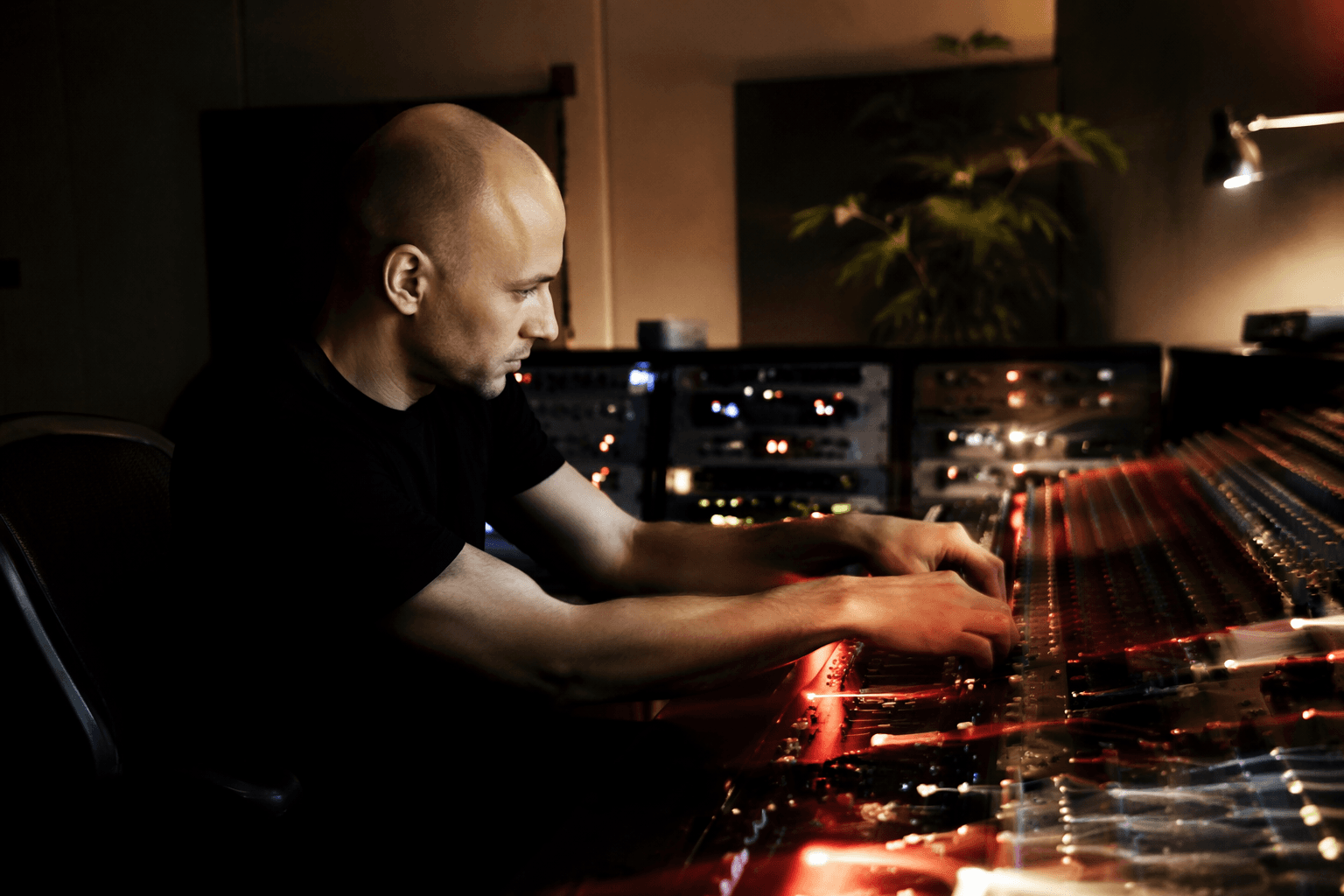
What changes here is not the hardware of the music so much as the emotional balance inside it. Delsin described Halo as expanding Gräser’s sound palette through atmospheric synthesis and dynamic beat constructions, and the tracklist points to that range across ten cuts: Fading Shadows, Shine Deep, Refraction, Halo, Dissolution, Instate Air, D-Fracture, Bliphar, Sublith, and Silent Currents. On Shine Deep, synths drift toward a comedown mood before the kick locks the track back into function. The title track turns more abrasive, with buzzing detail and a freewheeling bassline driving it into full club pressure. Elsewhere, Bliphar introduces Autechre-like squiggles, while D-Fracture carries a Wormhole-style tension that keeps the record sharp rather than glossy.
That shift is why Halo lands as more than another sturdy techno LP. Resident Advisor has long described Gräser’s style as a blend of pad-driven harmonies, intricate breaks, and an industrial sonic palette, and Halo keeps that tension intact while loosening the discipline enough for more vulnerable passages to surface. For listeners who follow austerity-heavy club music closely, the value lies in that exact movement: a producer rooted in Berghain’s second generation, with 100 documented shows there since his debut on January 28, 2012, finding a way to sound both physically effective and emotionally open without abandoning the floor.
This article was produced by Prism’s automated news system from verified source data, official records, and press releases, then run through automated quality and moderation checks before publishing. The system is built and supervised by the people who set the standards it runs under. Read our full AI policy.
Know something we missed? Have a correction or additional information?
Submit a Tip