Caged Element’s Silicon Cities fuses Detroit roots with dark minimal techno
Silicon Cities pairs a stripped-down two-version format with Detroit and early-IDM lineage, turning a Derby-to-Cambridge workflow into the point.
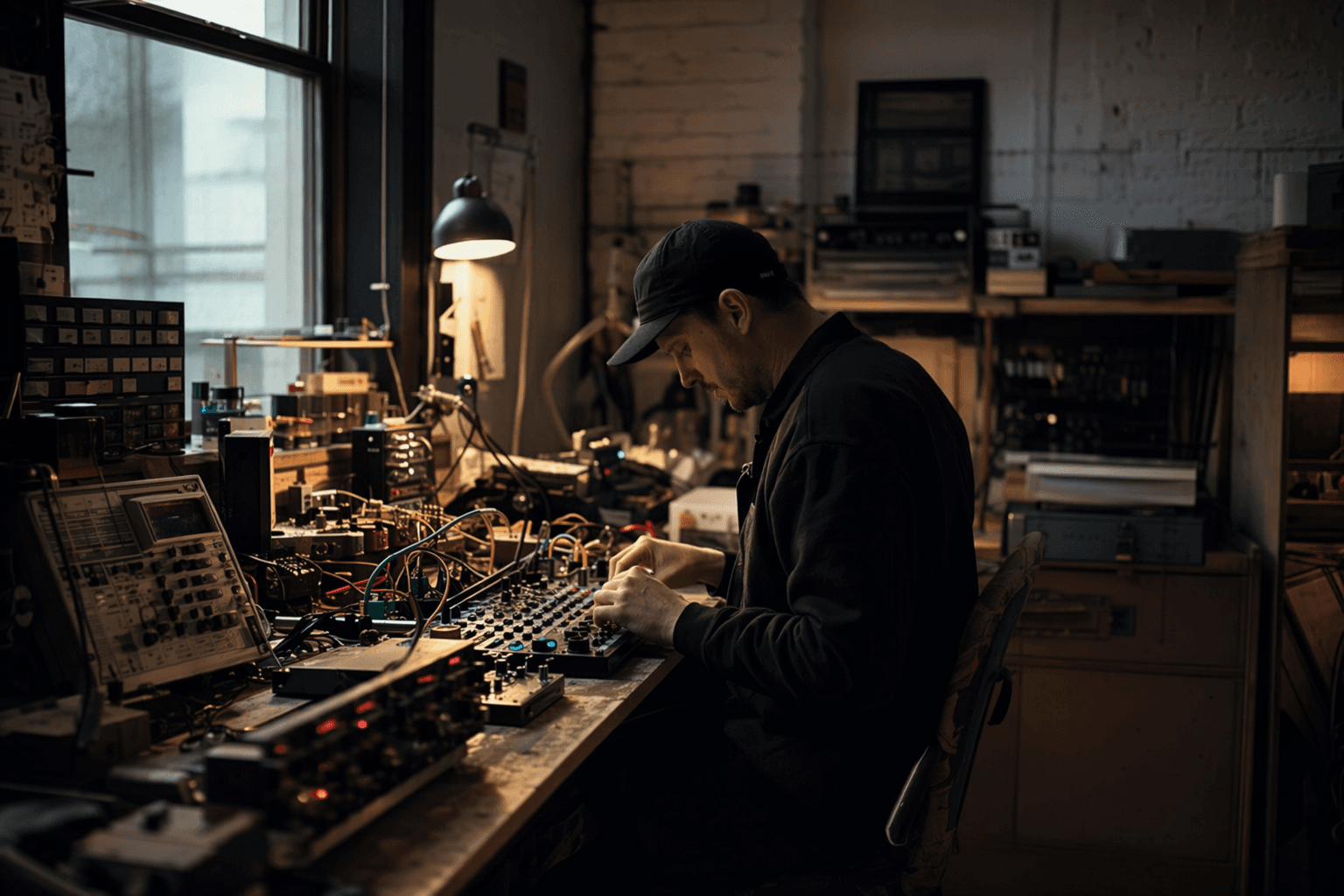
Caged Element’s Silicon Cities lands as a lean two-track statement, but the real hook is the lineage it makes audible. Built at Caged Element Studios in Derby and mastered by Lewis Platten at Hexagon Digital Studios in Cambridge, the release treats every stage of the chain as part of the music’s identity, not just its packaging. That fits a project led by Paul Bolstridge, whose solo Caged Element outlet has been pushing dark, dank minimal techno alongside ambient pressure for years.
The release arrived on May 15, 2026 with just Silicon Cities and Silicon Cities (Version 2), and that restraint does the heavy lifting. Instead of crowding the idea, Bolstridge and Platten let the piece stand in duplicate, so the listener hears iteration as a compositional choice. In minimal techno, that matters. The style lives on repetition, understatement and small shifts in weight, and Silicon Cities leans into that logic rather than decorating around it.
The release page makes the ancestry explicit: dark minimal techno and ambient styles fused with Detroit and the early days of IDM. That is a specific claim, not a mood-board flourish. Detroit techno gave the genre its futurist muscle in the 1980s, then spread globally through the 1990s, while IDM’s early-1990s experimental side prized listening-room detail and off-kilter programming over blunt dancefloor function. Silicon Cities sits right in that corridor, with the title itself suggesting circuitry, hard surfaces and digital infrastructure.
The surrounding Caged Element catalog sharpens that read. Bandcamp’s profile ties the project to Concealed Sequence drum programmer Paul Bolstridge, and also notes his close link to Platten, who co-produces and masters later work at Hexagon Studios. Machina used the same Derby-to-Cambridge production and mastering path, while Severed Memory, issued May 8, 2026, was flagged as another prototype track that did not make the album. Ghost Inversions and Somewhere extend the same Bolstridge-Platten partnership, and Discogs traces a similar version-first method back to Hybrid, which began as one version before splitting into two tracks for the forthcoming Ultima.
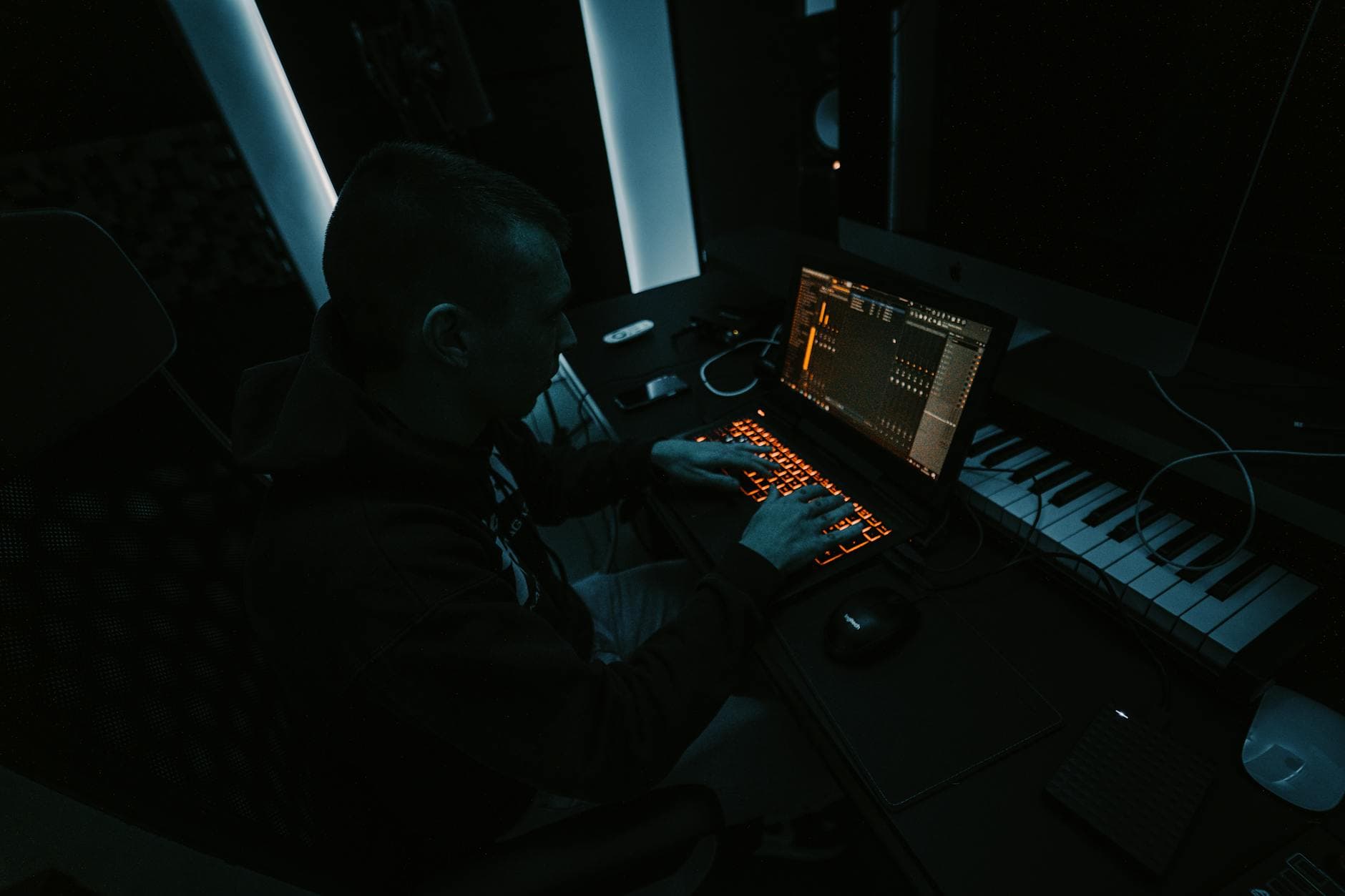
That makes Silicon Cities feel less like a one-off and more like a disciplined method finally stated plainly. The art by Pirtek and the DL3416 font by Verena Gerlach only reinforce the same discipline: stripped-back, functional, and pitched toward a strain of minimal techno that prefers memory, machine noise and exact control over easy payoff.
This article was produced by Prism’s automated news system from verified source data, official records, and press releases, then run through automated quality and moderation checks before publishing. The system is built and supervised by the people who set the standards it runs under. Read our full AI policy.
Did this article answer your question?