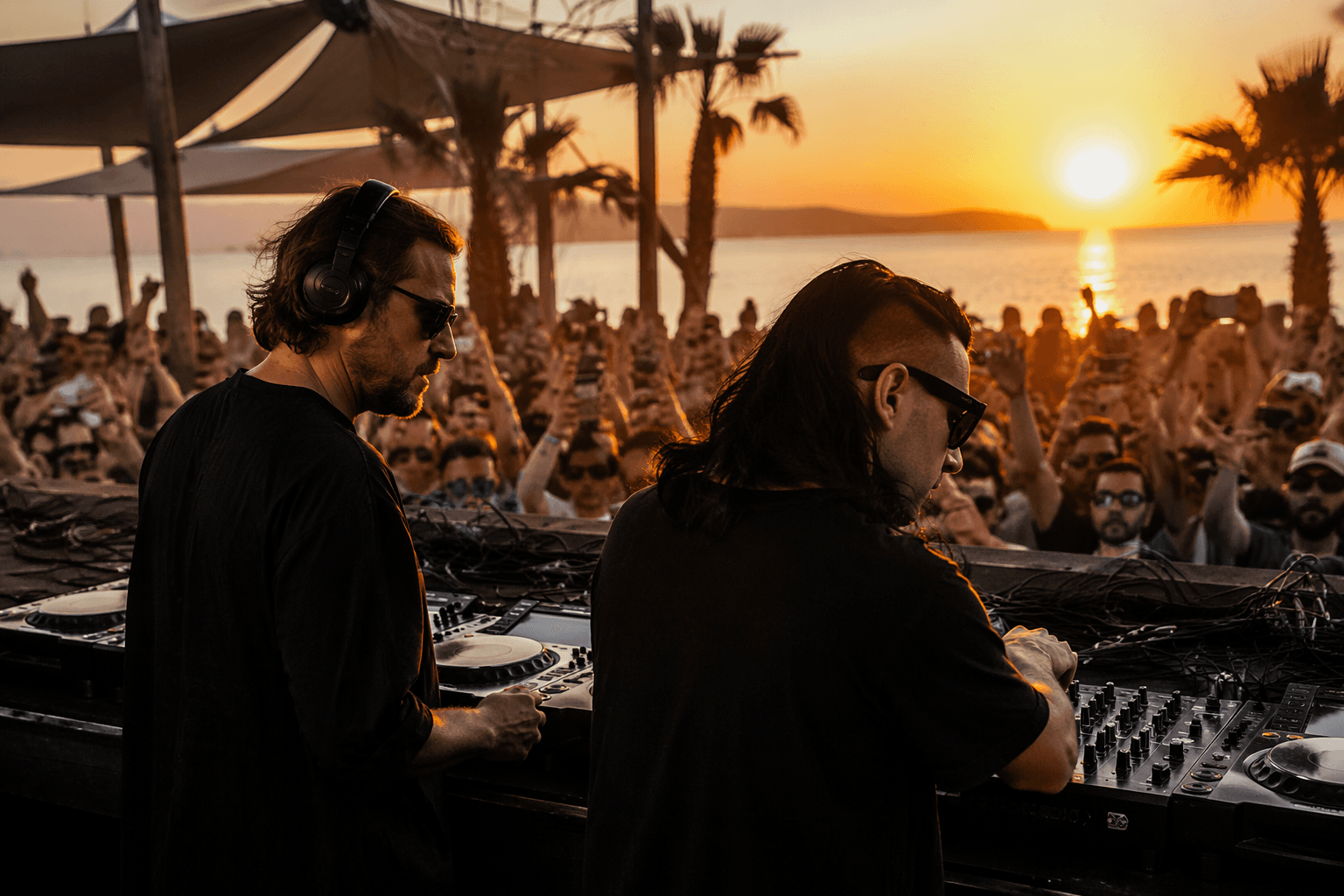
DaFou Blends Minimal Techno and Ambient Textures on Hardware-Driven "Night into Day"
Germany's DaFou released "Night into Day" on March 31, a hardware-only minimal-ambient piece built entirely from small synths and live performance tools, no samples.
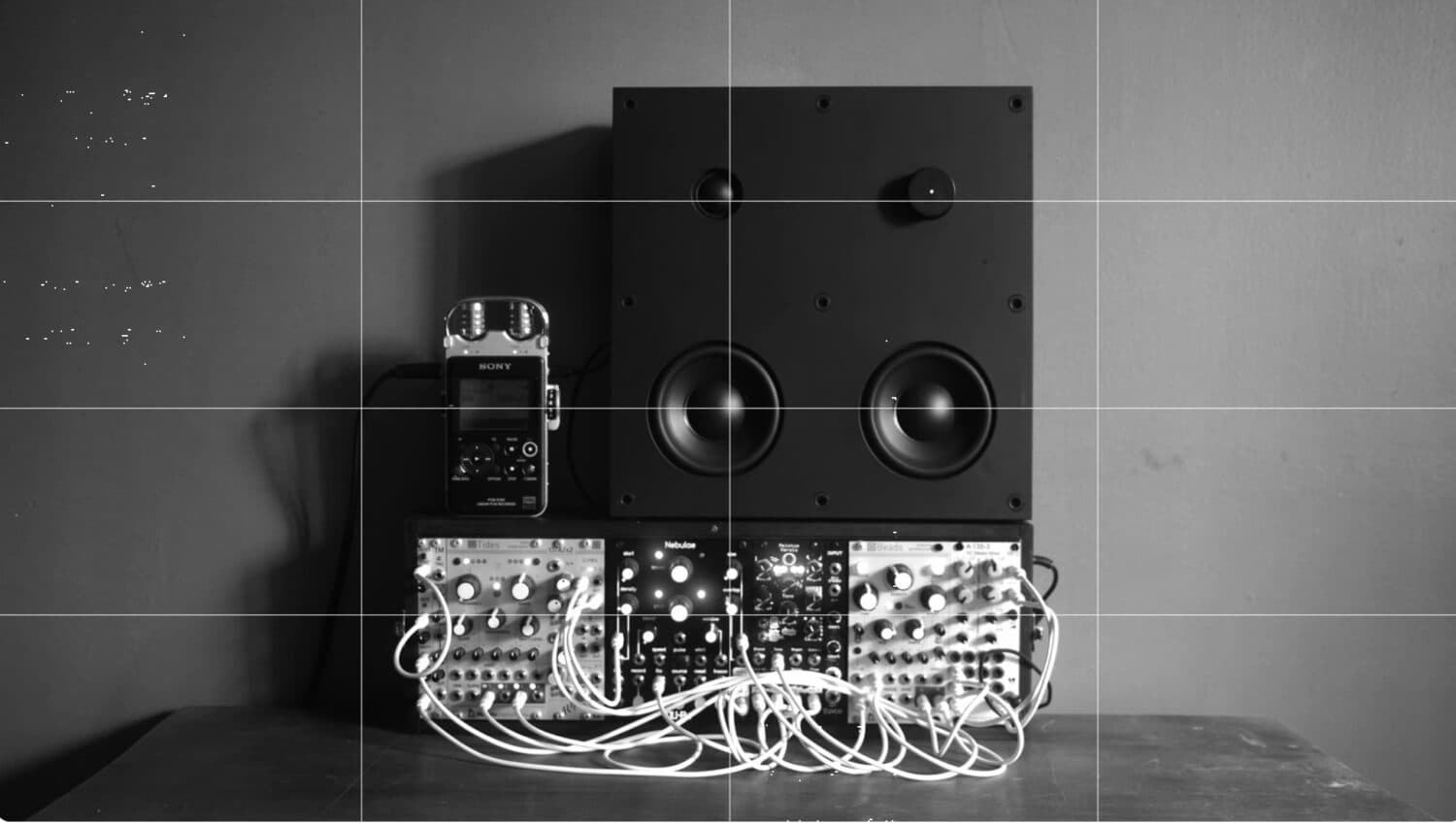
Six weeks after dropping "Berlin Transit," a two-hour Berlin School statement on Cyclical Dreams, Germany-based producer DaFou landed back on Bandcamp with something altogether leaner. "Night into Day" arrived on March 31, 2026 as a focused minimal-ambient single, built from a handful of small synthesizers and live performance tools, no samples involved.
The hardware-centric approach is the foundation. DaFou works without a Eurorack modular setup, relying instead on compact desktop synths. Previous releases have made use of machines like the DSI Tetra, Mopho, Modal Argon 8, Waldorf Blofeld, IK Multimedia Uno Synth Pro X, and the PreenFM2: instruments that impose a certain timbral intimacy on the material and resist the precision-cleaned output of purely in-the-box production. That combination puts timbral character ahead of rhythmic complexity, and "Night into Day" sits comfortably in the space minimal techno has always occupied at its margins: stripped grooves with enough ambient texture to function independently of a kick.
The sound palette is hypnotic and slow. The ambient bed sits low, with synth contours that drift and expand rather than push toward any obvious resolution. Motion comes from filtering and amplitude shifts rather than structural ruptures. The organic variance that hardware synthesis introduces, the slight pitch drift, uneven envelope response, filter inconsistencies that software irons flat, is exactly what makes this kind of material worth close listening rather than background placement. DaFou's own framing, "synthing the night away," signals something exploratory and process-driven rather than engineered toward a destination.
The title is also the arc. "Night into Day" suggests gradual transition, and the track behaves accordingly. There are two or three points where the synth density thickens and then recedes, each functioning as a soft reset rather than a hard break. Those are the moments to track: the arrangement never fully interrupts itself, but the texture shifts accumulate. That structural logic rewards replay.
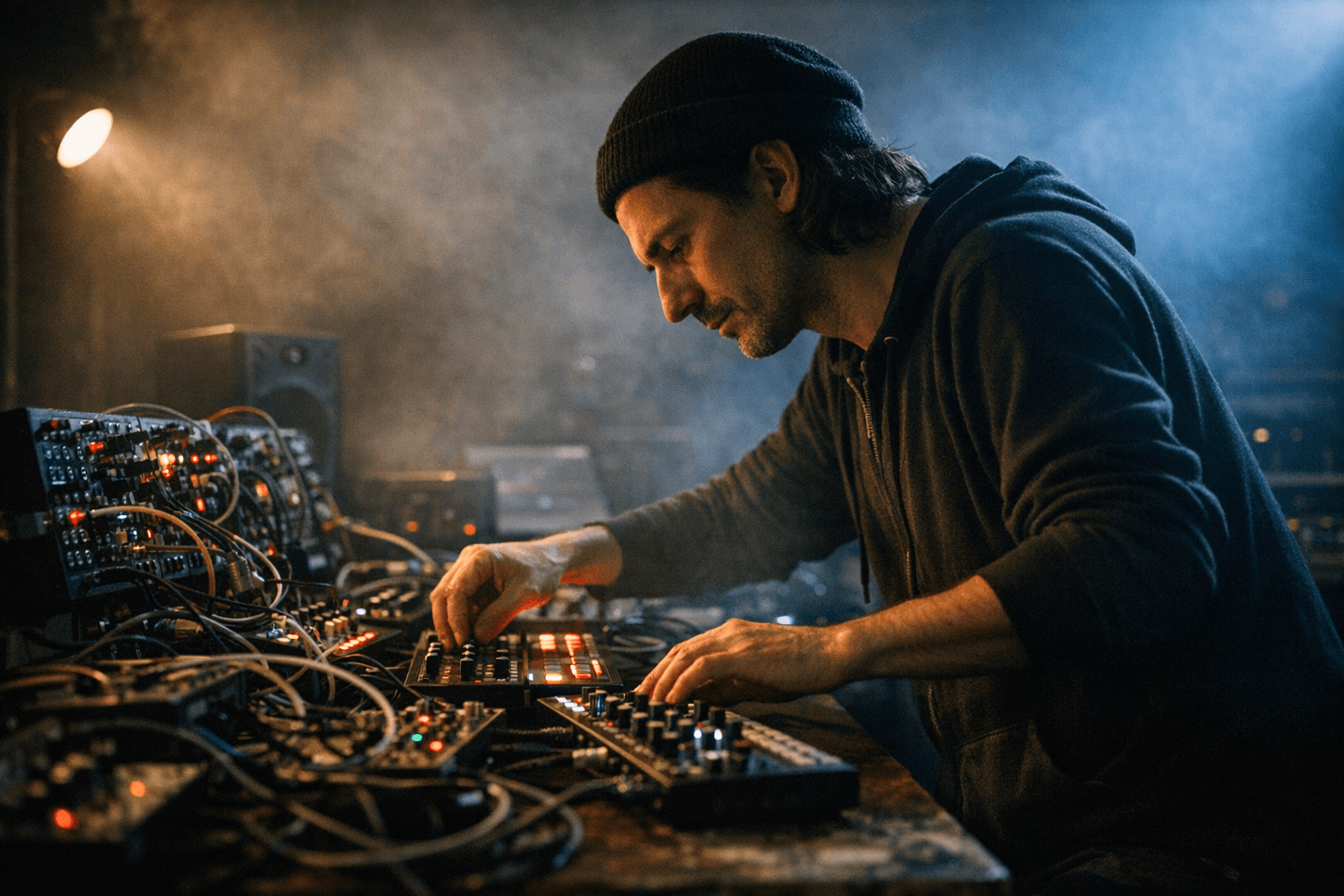
For playback, good headphones or near-field monitors pay off here. The organic variance registers best away from room noise and phone speakers. This is not peak-hour music. The track belongs to the post-club wind-down, the late-night reset where the main lights are off and the room is still decompressing. For DJs programming transitional or closing segments, it offers a way to dissolve energy with intention rather than just fade.
"Berlin Transit" ran for over two hours and drew directly from Klaus Schulze's sequencer vocabulary. "Night into Day" is the compressed version of the same thinking: small hardware, no samples, slowly evolving material that treats texture as its primary argument.
This article was produced by Prism’s automated news system from verified source data, official records, and press releases, then run through automated quality and moderation checks before publishing. The system is built and supervised by the people who set the standards it runs under. Read our full AI policy.
Did this article answer your question?