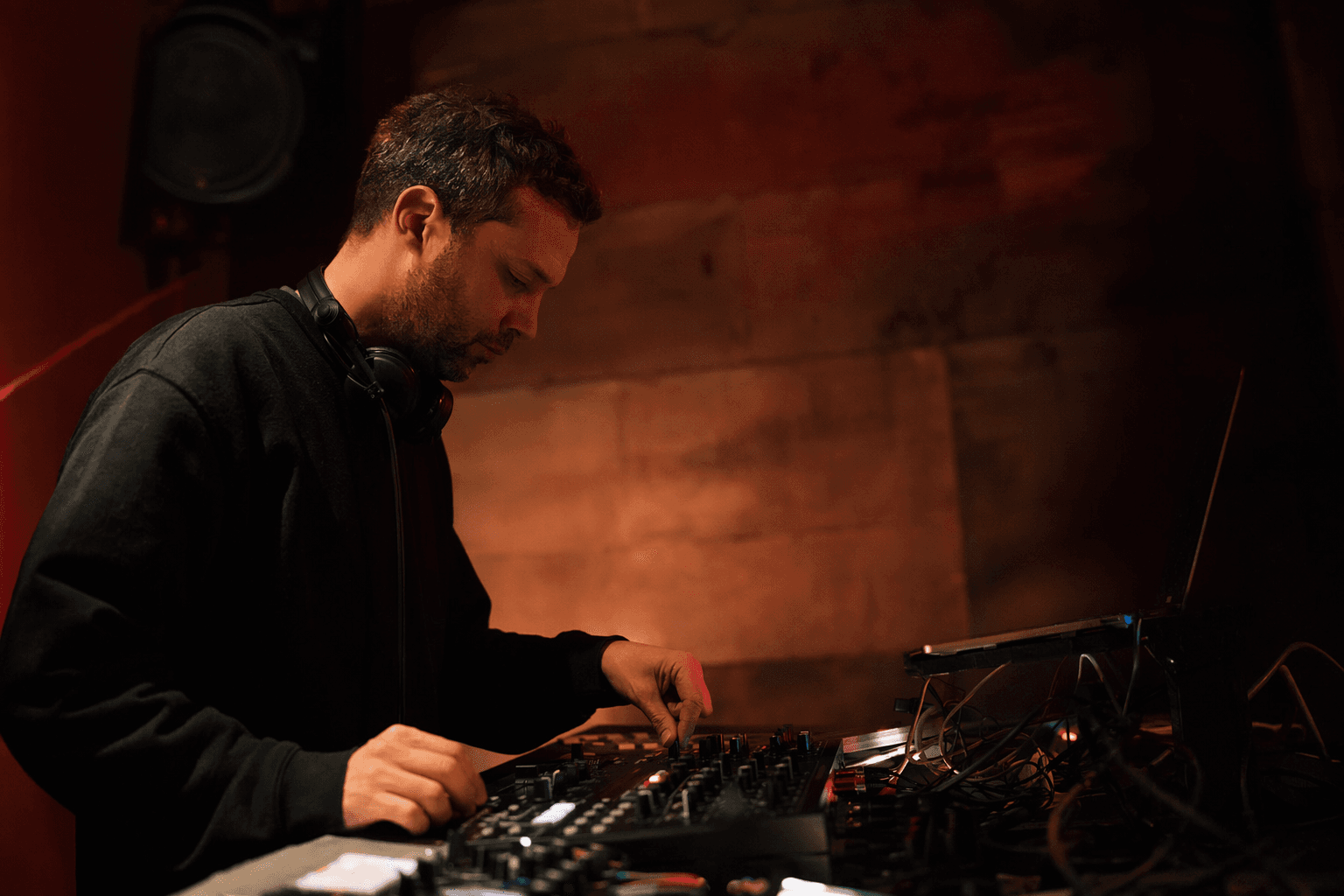
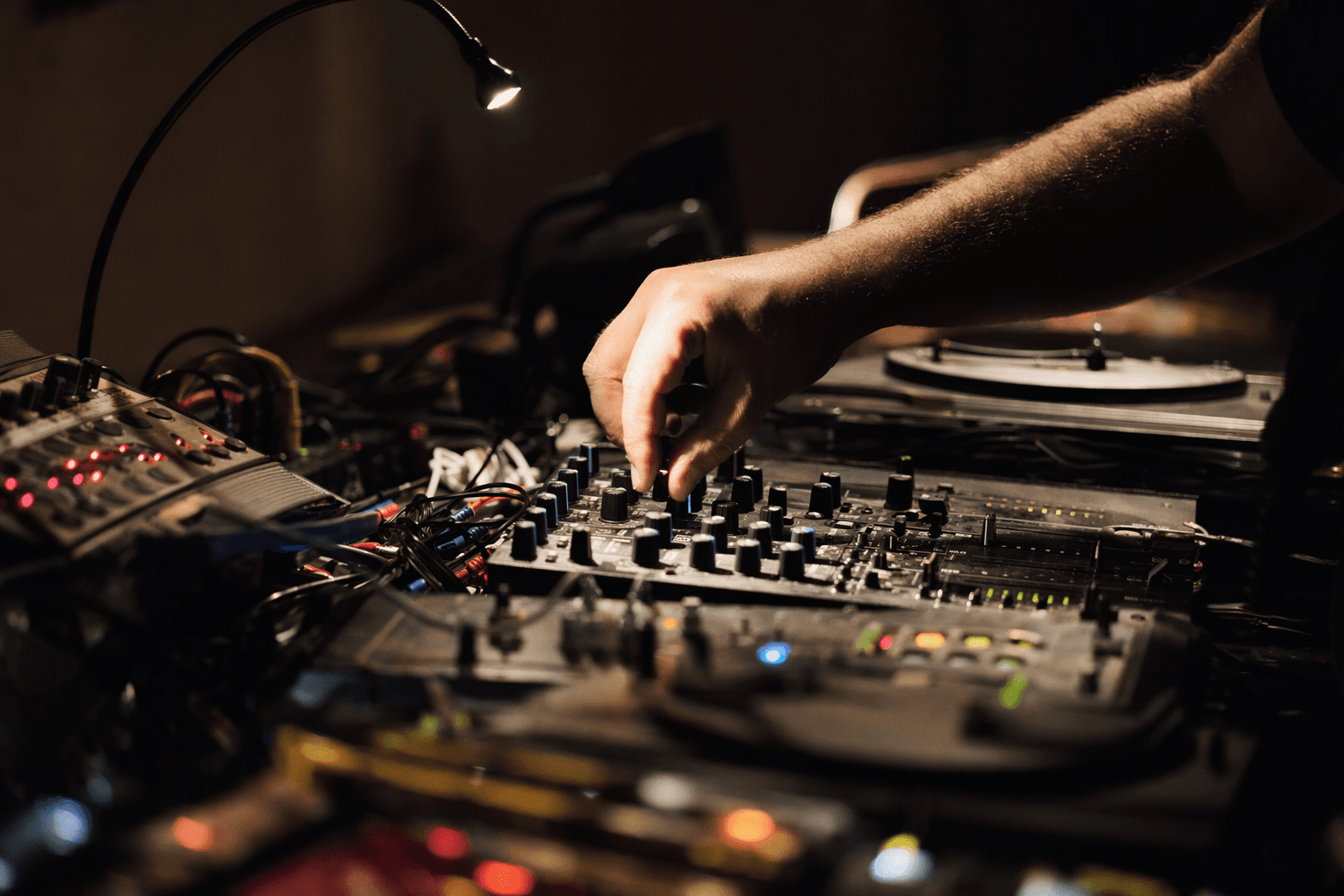
HILOMATIK’s A-Sides EP II bridges techno nostalgia and modern club pressure
HILOMATIK turns A-Sides EP II into a sequel built on memory, not nostalgia bait. The standout move is Nicola Fasano cutting with the same Moog synths tied to Alan Parsons Project’s “SIRIUS.”

HILOMATIK’s A-Sides EP II bridges techno nostalgia and modern club pressure
HILOMATIK is not treating A-Sides EP II like a routine label upload. The record reads like a continuation of a very specific techno argument: keep the old circuitry alive, but make it hit harder, cleaner, and more useful on a floor that expects pressure now, not then.
That matters because HILOMATIK has already positioned itself as more than a satellite label. Beatportal describes it as the dark side of Heldeep Records and says it has become one of techno’s mainstay labels, which gives this series a clear identity before you even reach the tracklist. A-Sides EP II is the successor to the first A-Sides EP from 2025, so this is not a one-off sampler. It is a recurring format, and that recurrence is what turns the release into a narrative about continuity rather than just output.
A sequel with a wider range than the first chapter
The new EP stretches across minimal- to hard-techno territory, and that range is the point. Instead of locking itself into a single mood, it uses six artists to map a spectrum: Markus Schulz with “Rave Generator,” Nicola Fasano with “SIRIUS,” Deus Deserto with “REP,” Jochem Hamerling with “Shooting ’Em Down,” Paula van Klar with “Silence Replayed,” and YellowHeads with “Mind Patterns.”
That lineup tells you a lot about where HILOMATIK wants to sit. The label is not chasing purity tests or shrinking itself into one sub-style. It is curating tension between stripped-back minimal instincts and harder, more physical techno impact, which is exactly the space where a lot of modern club records actually live. If the first A-Sides EP established the series as peak-time techno with minimal-techno DNA, this second edition widens the frame without losing the label’s sense of intent.
The practical detail to clock is that the EP is already listed as A-Sides EP 2 (Extended Mixes) on Beatport, with a release date of May 1, 2026, catalog number HMABB061B, and a pre-order price of $10.14. That kind of storefront placement matters because it signals how the label expects the record to function: not as a collectible artifact first, but as something DJs can actually work into a set.
Why the first A-Sides EP still matters
You cannot really understand EP II without the first one. Beatport lists the original A Sides EP (Extended Mixes) from May 2, 2025 under catalog number HMABB048B, and Discogs shows that same first edition as a 7-track vinyl/file release. Beatportal framed that debut as a 7-track collection of peak-time techno and minimal techno inspired by Space 92, Adam Beyer, HI-LO, and Eli Brown.
That lineage is important because it explains the label’s language. HILOMATIK is not presenting minimal techno as museum material. It is using the genre’s stripped-down instincts as a base layer for bigger, louder, more kinetic music. The series title itself, A-Sides, suggests curation over randomness, and the fact that it returned in 2026 confirms that the first chapter was a template, not a coincidence.
The detail that makes the sequel sharable
The most immediate conversation piece on the new EP is Nicola Fasano’s “SIRIUS.” Beatportal says Fasano used some of the exact same Moog synthesizers associated with the original Alan Parsons Project recording to preserve the atmosphere while updating the track for a modern dancefloor. That is the kind of production hook people remember because it has both lore and function baked in.
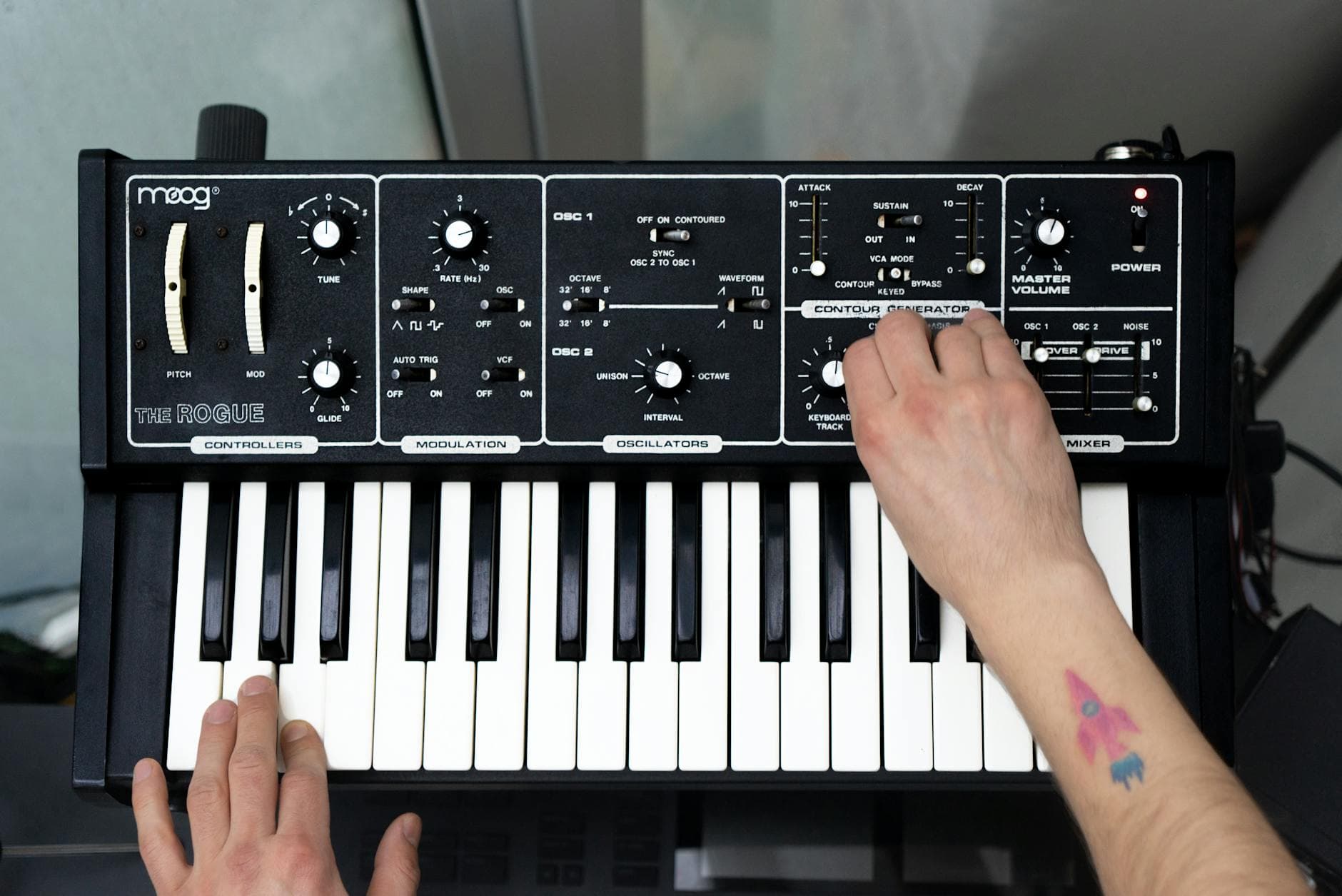
On paper, it is a heritage move. In practice, it is a very modern techno trick: take a recognizable tonal memory, strip it of its context, and rebuild it for peak club utility. The result sits between cinematic nostalgia and dancefloor pragmatism, which is exactly where a lot of strong minimal-techno records earn their longevity. If you are looking for the one detail that turns this from “another VA EP” into something worth talking about, that is it.
Track-by-track, the EP plays like a study in contrasts
Markus Schulz’s “Rave Generator” pushes toward the more direct end of the spectrum. Even before you hear it, the title tells you HILOMATIK is not afraid of scale or impact. It sits beside the more controlled minimal language of the label, but it also reinforces the idea that the EP wants club utility first.
Deus Deserto’s “REP” goes the other way, with a heavier bass track and rap vocals driving the cut toward a more muscular punch. That combination is a strong example of how far the label is willing to stretch the minimal-techno frame before it breaks. It keeps the production focused, but adds enough weight to shift the room rather than simply occupy it.
Jochem Hamerling brings a different kind of memory into the record. He says revisiting classic mix compilations helped him reconnect with the grooves, progression, and atmosphere that first made him fall in love with dance music. That is a very specific kind of reference point, and it lands because it is about sequencing as much as sound design. You can hear the logic there: not just loops and drops, but movement.
Paula van Klar’s “Silence Replayed” takes the most textural route. She uses her own voice not as a standard lead vocal, but as production material folded into the track itself, and the phrase “Silence replayed, time is delayed” captures the reflective loop at the center of the cut. That is minimal-techno thinking in a nutshell: voice becomes texture, texture becomes atmosphere, and atmosphere becomes structure.
YellowHeads’ “Mind Patterns” rounds out the set by reinforcing the EP’s forward motion. The title alone hints at the mental side of the floor, the kind of track that is less about obvious hooks and more about internal tension. In a six-track release that moves from minimal territory toward harder techno, that last slot helps the record feel like a complete arc instead of a stack of singles.
What HILOMATIK is really preserving
The deeper story here is not nostalgia for its own sake. It is about keeping techno’s older references active inside current club language. HILOMATIK is using A-Sides EP II to extend a narrative built on analog warmth, hard-edged functionality, and scene memory that still means something on a floor.
That is why the label’s roster context matters too. Being tied to Heldeep Records and having released music from HI-LO, Hardwell, Space 92, Armin van Buuren, and Eli Brown gives HILOMATIK a cross-generational reach that most techno imprints do not get to claim. But the label does not lean on that as branding fluff. It uses those connections to support records that still feel shaped for DJs, not just for catalog browsing.
A-Sides EP II succeeds because it understands the difference between quoting the past and carrying it forward. The Moog reference on “SIRIUS,” the heavier bass and rap-vocal weight of “REP,” the compilation-memory logic behind Hamerling’s cut, and the vocal-as-texture move on “Silence Replayed” all point in the same direction. This is techno that remembers where it came from, then steps hard into the present anyway.
Know something we missed? Have a correction or additional information?
Submit a Tip