Kai Goto frames minimal techno as one half of Hypergraphia
A two-track EP splits into industrial abrasion and minimal-techno control, turning impulsivity and hyperfocus into a sharp binary statement.
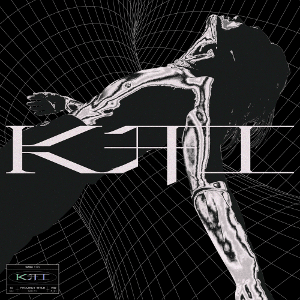
Kai Goto’s Hypergraphia landed on May 16, 2026 as her third EP, and it wastes no space: just two tracks, Hedgehogism and Hypergraphia, arranged as a deliberate split between industrial electronica and minimal techno. The release is built around impulsivity and hyperfocus, and that concept gives the record its force. Instead of spreading outward, Goto narrows the frame until the two sides can be heard as a direct argument.
That binary structure is the most interesting thing about the EP. Hedgehogism carries the harsher, more abrasive end of the spectrum, while Hypergraphia turns to minimal techno discipline, where repetition, pressure and restraint do the work. The pairing makes the genre contrast do more than decorate the release. It turns minimal techno into a counterweight, a second voice that clarifies the first. In that sense, the EP feels less like a mini-collection than a controlled comparison, with each track sharpening the meaning of the other.

Goto’s own background helps explain why the setup feels so tight. She is a contemporary artist based in Tokyo, she worked as a VJ in Tokyo’s club scene, and in 2020 she formed the electronic music unit -JYOUGE- with Tsubasa Arakawa. Her solo debut EP, Itomozuku, arrived on EMLF in 2023, and the 2025 single Unknown was framed as monochrome-inspired and structurally focused. Forget Me Not, her 2025 EP, pushed further into analog synthesizers and sentimental arpeggios. Hypergraphia continues that thread, with sound and artwork by Goto and mastering by Arakawa, which keeps the project feeling authored from the inside rather than assembled as a stylistic sampler.
The minimal-techno half lands with extra weight because the genre’s history is so specific. Minimal techno emerged in the 1990s in Detroit, then developed a distinct Berlin-bred style by the mid-2000s. AllMusic traces its impulse back to a reaction against denser techno production, with tracks stripped down to drums and stark sequencer or synthesizer patterns. That lineage, along with Minus’s founding in 1998 and its role as a home base for Richie Hawtin and like-minded artists, makes Goto’s choice feel pointed rather than generic.
Hypergraphia works because it trusts the tension between its two halves. The industrial piece brings the bite; the minimal-techno piece brings the discipline. Taken together, they make a small release feel exact, and that exactness is what lets the EP hit as a statement rather than a sketch.
This article was produced by Prism’s automated news system from verified source data, official records, and press releases, then run through automated quality and moderation checks before publishing. The system is built and supervised by the people who set the standards it runs under. Read our full AI policy.
Did this article answer your question?