London gets Ironworks, a new 7,000-capacity East End rave venue
London’s East End is getting a 7,000-capacity warehouse rave site. Ironworks will pair electronic programming with an 80,000-square-foot riverside terrace.
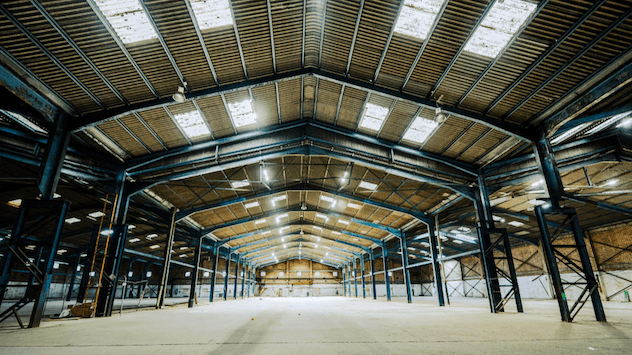
Ironworks is set to add a serious piece of club infrastructure to Thames Wharf in the Royal Docks, bringing a 7,000-capacity warehouse venue to East London on the site of a former shipbuilding yard. The project is due to open to the public in October and will launch with six electronic-music shows before the end of the year, putting it straight into the larger end of London’s rave economy.
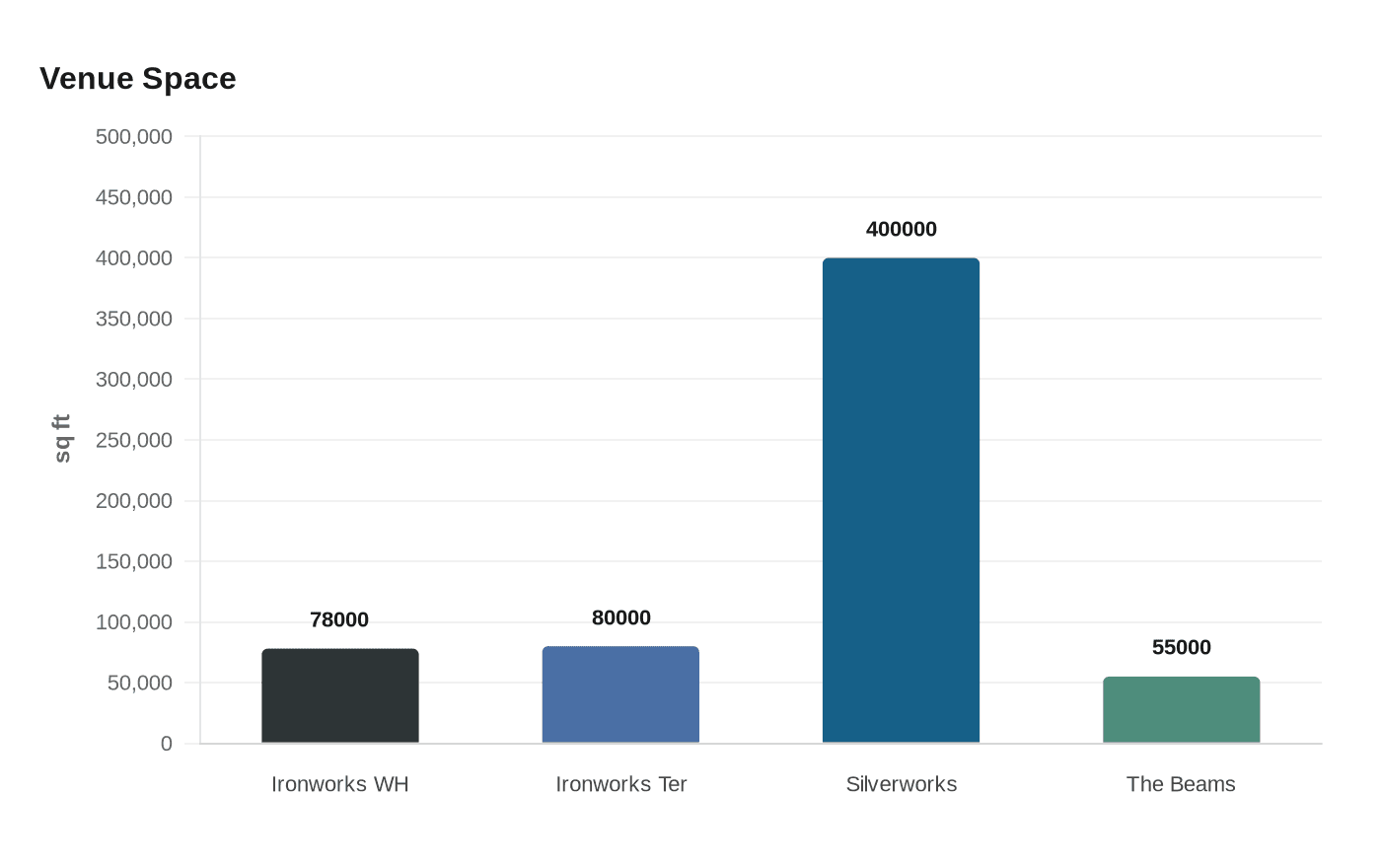
The scale is what separates Ironworks from a standard club opening. The site spans 78,000 square feet of warehouse space plus an 80,000 square foot open-air riverside terrace, a footprint that signals something closer to a multi-use cultural complex than a one-room venue. Alongside electronic music, the plan includes markets, wellness sessions, outdoor cinema screenings and street food, while the Museum of Youth Culture is due to have space for an installation on warehouse culture in London. For the minimal and techno crowd, that matters because the room, the flow and the outdoor spill space shape how these nights actually work.

Ironworks is being developed by LWE and PROJEKT, a pairing that places the venue squarely in the lineage of East London large-format dance spaces. LWE has been organising electronic music events since 2010 and has credits that include Junction 2, elrow Town London, ION Festival and Siso Festival. That background points to a venue built for production-heavy nights, strong sound design and promoters who need more than a conventional club to make a show land properly.
The bigger question is whether Ironworks fills a real gap or simply adds more competition to an already crowded East London market. Royal Docks already has Silverworks Island in nearby Silvertown Quays, listed at 400,000 square feet with a 20,000 capacity, while The Beams opened in 2021 in Docklands as a 55,000-square-foot venue tied to the same industrial-scale clubbing model. Between them, these spaces are turning the eastern edge of the city into a dense cluster of large-format electronic sites, which could be good for booking options but tougher for promoters chasing the same audiences.
That tension lands at a fragile moment for the wider ecosystem. Music Venue Trust said 53 percent of UK grassroots music venues made no profit in 2025, with average margins at just 2.5 percent, even as the sector contributes more than £500 million a year to the economy. The government has also pushed the live music industry to support a voluntary ticket levy on stadium and arena tickets to help fund grassroots rooms. Ironworks arrives as a big vote of confidence in London’s rave future, but it also underlines how much the city now relies on giant rooms while the smaller ones that feed them stay under pressure.
This article was produced by Prism’s automated news system from verified source data, official records, and press releases, then run through automated quality and moderation checks before publishing. The system is built and supervised by the people who set the standards it runs under. Read our full AI policy.
Know something we missed? Have a correction or additional information?
Submit a Tip