Michael Kohlbecker, versatile techno pioneer and Eternal Basement cofounder dies
Michael Kohlbecker’s death exposed minimal techno’s hidden Vienna-to-Frankfurt route, from conservatory training to Harthouse and 366 releases.
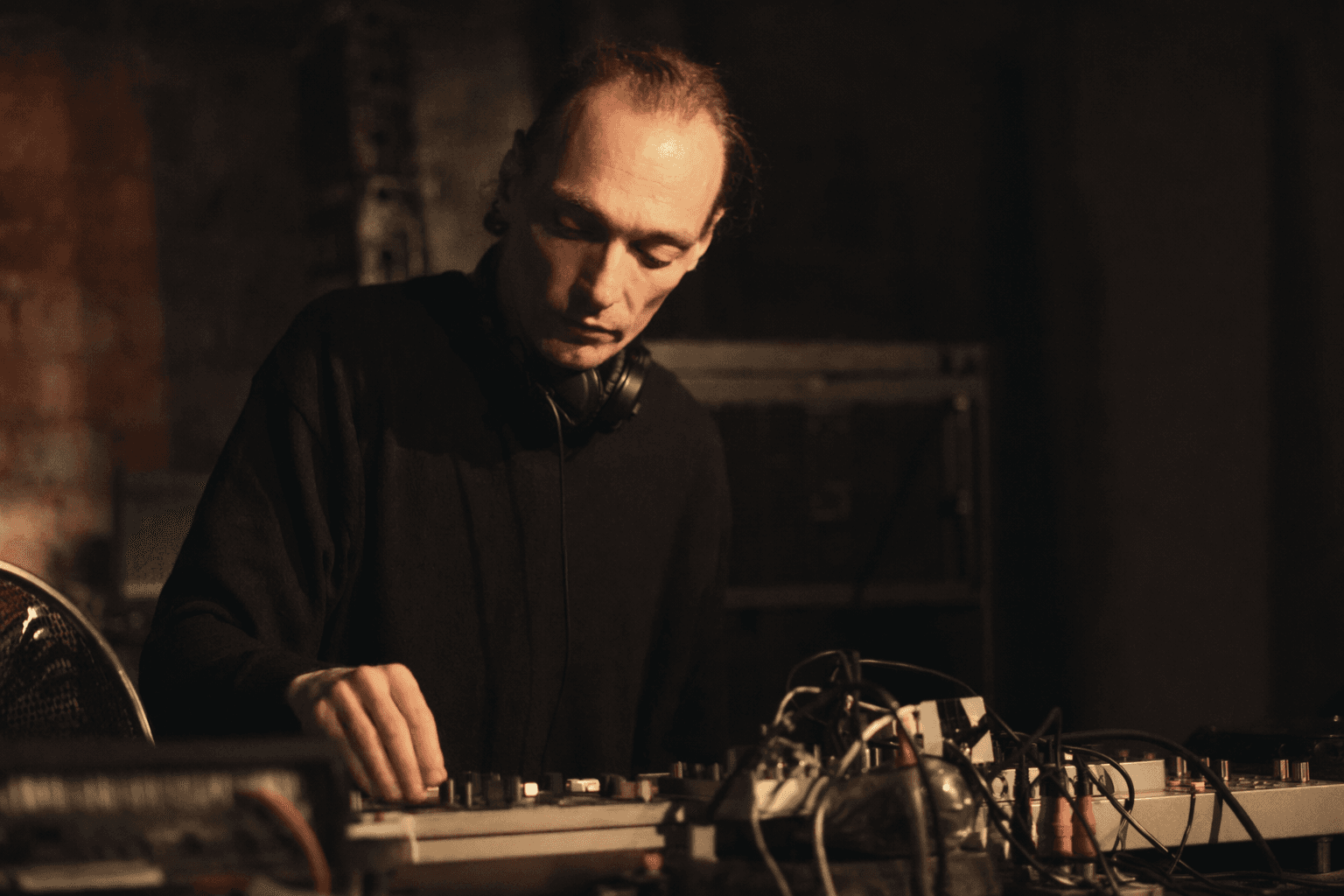
Michael Kohlbecker’s death redrew a map that festival posters usually flatten. In a scene too often told as Berlin’s lone origin story, Kohlbecker stood for a different route: Vienna-born, long based in Frankfurt am Main, and shaped first by twelve years of piano and violin, then by composition studies at Dr. Hoch’s Conservatorium. That combination of conservatory discipline and warehouse instinct is exactly the seam where so much of minimal techno later found its character.
His breakthrough came in 1994 through Eternal Basement, the project he shared with Pascal Mollin on Sven Väth’s Harthouse label. Releases such as Kraft and Taking Place In You placed him inside one of the defining Frankfurt pipelines of the 1990s, alongside the harder, more minimalist strain that Harthouse was built to carry. The label, founded in 1992 in Frankfurt and Offenbach by Väth, Matthias Hoffmann and Heinz Roth, was launched as a platform for newcomer artists and for sounds that sat between techno, house and trance while pushing toward something leaner and more direct.
That matters because Kohlbecker was never just a single-track name. Discogs lists 366 releases and 22 artist pages or projects under his name, with aliases including 2 Stripes, B-Flame, Camou, Deepostopia, Electric Basement, Fünf D, Lasziv, Magnat, Masun, Paragon, S.M.I².L.E. and Subscientists. Eternal Basement itself kept moving, with later releases such as Nerv in 1995, Magnet in 2000 and Zustandsgeber in 2012. The breadth makes his reputation easier to understand: he was a producer who treated genre borders as workable material, not permanent walls.
That range ran through techno, dark and deep styles, open-air music, deephouse and even electro-pop. A profile tied to his work summed up the logic in one phrase, “Definition is Limitation,” and the line fits the way his catalog kept slipping between precision and openness. He also built infrastructure for that approach. Eternal Basement Records, his Frankfurt-based label, split its output into a Blue Line for techno and progressive sounds and a White Line for minimal productions, turning his taste into a platform for other artists and projects.
The response around his death reflected that wider reach. A memorial stream called Eternal Echoes was set for April 23, and the outpouring made clear that Kohlbecker mattered far beyond any single club era. Obituaries often do what club calendars cannot: they reveal the family tree. In Kohlbecker’s case, that tree runs from Vienna conservatories to Frankfurt floors, with Harthouse, Eternal Basement and a long list of aliases hanging from its branches.
This article was produced by Prism’s automated news system from verified source data, official records, and press releases, then run through automated quality and moderation checks before publishing. The system is built and supervised by the people who set the standards it runs under. Read our full AI policy.
Did this article answer your question?