Richie Hawtin’s F.U.S.E. revisited through early minimal techno listening culture
Listen for the space between the hits, the repetition, and the machine-funk restraint. Richie Hawtin’s F.U.S.E. still sounds like a blueprint for minimal techno, not a relic.
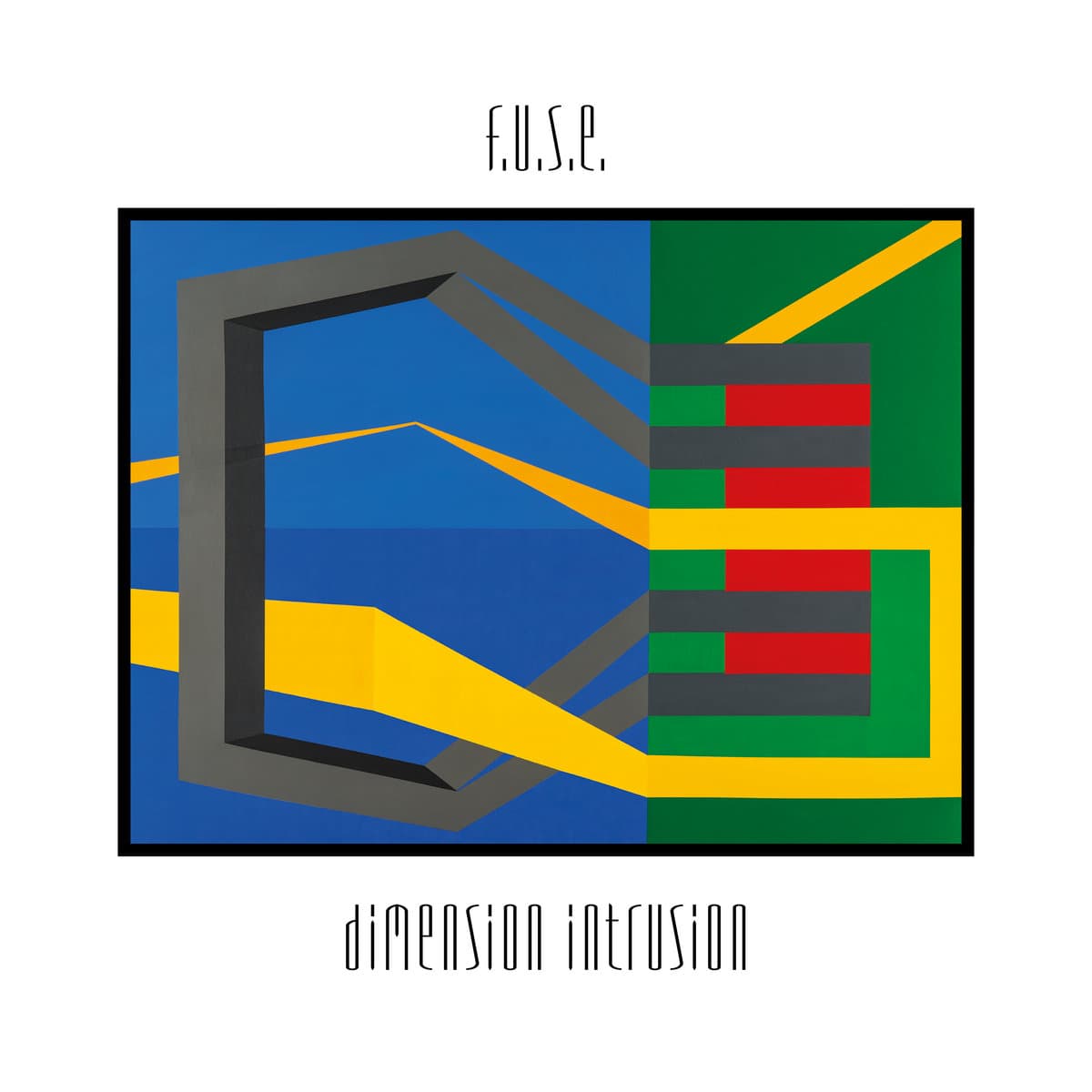
Listen first for the space between the hits, the repetition that never quite settles, and the machine-funk restraint that keeps every gesture taut. That is where Richie Hawtin’s F.U.S.E. project still teaches a lesson, and why a Deep Listening feature centered on Dimension Intrusion lands as more than archive work. It turns one early minimal techno document into a live listening guide, showing how the genre’s reduced language took shape in real time.
How to hear Dimension Intrusion now
Dimension Intrusion rewards the kind of close listening that minimal techno has always prized. The pulse is disciplined rather than showy, the atmosphere is as important as the kick, and the abstraction leaves room for the room itself, which is exactly the point. If you are coming to it through later minimal or stripped-back club records, the track writing makes sense immediately: it is built from tension, repetition, and small shifts that feel huge because nothing is wasted.
That is why The Vinyl Factory’s Deep Listening framing matters. Instead of treating Hawtin’s work as a museum piece, it presents Dimension Intrusion as a listening proposition, a track that still makes you hear how the genre’s blueprint was drawn. The piece places the music inside a wider culture of concentration, where the dancefloor, the home stereo, and the gallery wall can all become valid places to receive the same idea.
From Windsor to the first F.U.S.E. statement
Dimension Intrusion first arrived in June 1993, when Richie Hawtin was 22 and living in Windsor, Canada. Released under the F.U.S.E. alias, it came out on Hawtin’s own Plus 8 Records imprint and also entered Warp Records’ Artificial Intelligence series, where Discogs identifies it as the fifth release. That detail matters because the Artificial Intelligence context helped define a corner of electronic music that was meant to be heard as carefully as it was danced to.
Warp framed that series as “electronic listening music,” and Dimension Intrusion sits right inside that idea. The album belongs to the same 1990s ferment that linked minimal techno to systems thinking, physical space, and the Tokyo club scene, where the relationship between sound, architecture, and attention was sharpened in striking ways. In that sense, Hawtin’s early F.U.S.E. recordings are not just club tools, they are part of a broader shift in how techno could function as an environment.
What the box set reopens
The Vinyl Factory’s Dimensions 25th Anniversary box set brings that story back into focus by re-releasing Dimension Intrusion and Train-Tracs, both with previously unreleased tracks. The set also includes original liner notes, unpublished archival images, and artwork by Matthew Hawtin, Richie Hawtin’s brother, which gives the archive a family dimension as well as a historical one. The box set does not just package old material, it recontextualizes it, making the listening experience feel newly annotated without sanding off the original edge.
A later 30th-anniversary edition pushed that context even further by identifying Dimension Intrusion as Hawtin’s first full-length studio album. It also explained that the album compiled earlier F.U.S.E. EP material alongside newly recorded music, which is useful for understanding why the record feels so focused even as it spans different moments in Hawtin’s early development. You can hear it as a constructed statement, not a loose collection, and that is one reason it still reads as a serious listening record as much as a DJ document.
Why this still speaks to minimal techno listeners
The Vinyl Factory piece is valuable because it keeps connecting the record to a living lineage. Hawtin’s early work is tied not only to Detroit’s second-wave techno energy, but also to the conceptual overlap between club music, sound art, and data-driven aesthetics, a space often associated with artists like Ryoji Ikeda. That connection helps explain why Dimension Intrusion continues to matter to minimal techno listeners: the music does not only move the body, it organizes attention.
- It is built around pulse that feels mechanical without becoming cold.
- It uses repetition as structure, not filler.
- It leaves enough air for atmosphere to become part of the composition.
- It treats restraint as a strength, which is one of minimal techno’s defining values.
That is also why the Deep Listening lens is so effective. It lets newer fans hear how early minimal techno was never just about stripping sound away, but about deciding exactly what to keep. In Hawtin’s F.U.S.E. work, the space between elements is not empty, it is the track’s actual architecture.
The blueprint still holds
What makes Dimension Intrusion enduring is not nostalgia, but clarity. The album captures a moment when minimal techno was still articulating its grammar, and it does so with a precision that still reads immediately on modern systems, whether you are hearing it in a club, a studio, or alone with headphones. The same qualities that made it feel forward in 1993, the space, the repetition, the machine-funk restraint, still explain why it keeps returning in listening culture.
That is the real value of revisiting F.U.S.E. through Dimension Intrusion. It is not a look back at a sealed chapter, but a reminder that minimal techno’s DNA was written in public, one measured pulse at a time.
This article was produced by Prism’s automated news system from verified source data, official records, and press releases, then run through automated quality and moderation checks before publishing. The system is built and supervised by the people who set the standards it runs under. Read our full AI policy.
Did this article answer your question?