Tec-Troit 2026 returns free, all-ages Detroit techno weekend
Tec-Troit’s free, all-ages weekend returns June 26-28 at 1151 Taylor St., with a lineup that treats Detroit techno as community infrastructure, not just a booking list.
Tec-Troit’s 2026 return is less a lineup announcement than a reminder that Detroit still knows how to keep techno public. The three-day festival runs June 26-28 at 1151 Taylor St. in Detroit, MI 48202, and it stays free, all-ages, and family-friendly, with Tec-Troit framing the event as a celebration of techno in its purest form.
The bill reaches across the city’s generations and its wider orbit. A Guy Called Gerald joins Mike Banks, Blake Baxter is booked live, and the roster also brings in DJ 3000, Detroit Techno Militia 2x4, John Collins, Stacey Hotwaxx Hale, DJ Godfather, Mr. De', DJ Roach, Frankie Bones, and a Juan Atkins b2b Milan pairing. For a scene that still argues about where the line sits between legacy and living practice, that mix matters: foundational names are sharing space with current Detroit and regional figures, and the festival is using that blend to make a point about continuity rather than nostalgia.
That point is baked into Tec-Troit’s own identity. The organization says it is a non-profit, and its About page says the festival started in 2011 as a way to showcase overlooked Detroit electronic musicians. Since then, Tec-Troit says its mission has widened into a free annual festival built around DJ workshops, dance courses, cross-cultural experiences, and passing Detroit techno to future generations. The City of Detroit has also listed Tec-Troit as a three-day free music and culture event, which tells you how firmly it has settled into the city’s public-cultural calendar.
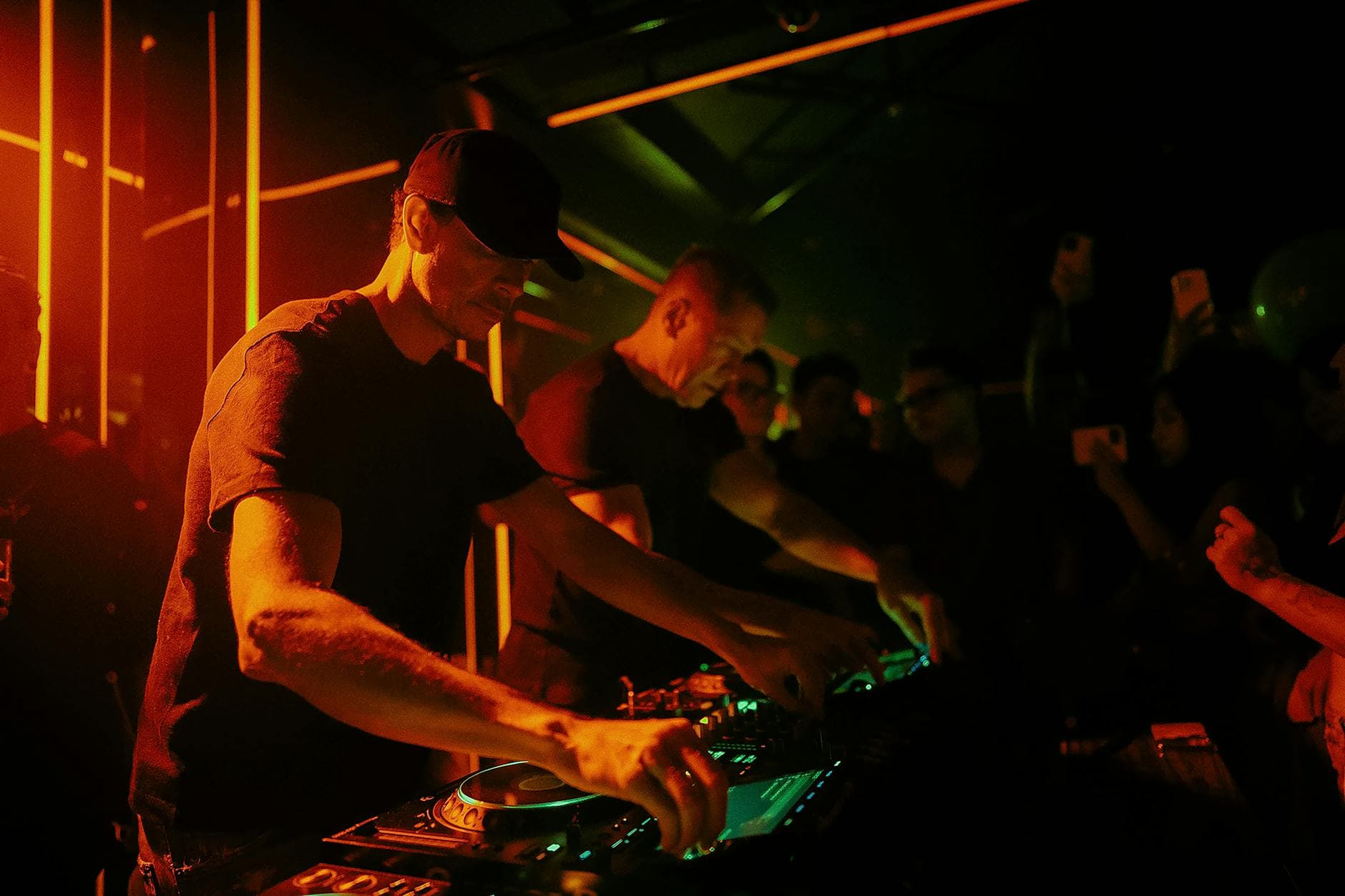
Raul Rocha, who founded Tec-Troit, said in 2022 that he started the festival because “I wanted to bring that feeling back.” That is still the clearest read on what Tec-Troit is doing in 2026. The event is not only preserving a lineage from the warehouse years and the motor-city machine pulse that helped define it. It is also making sure the next crowd can walk in without a ticket stub, hear the music in daylight or after dark, and see Detroit techno treated as something a city can still hand down in real time.
Know something we missed? Have a correction or additional information?
Submit a Tip