Tetsu Okawa’s TECHISM blurs minimal techno, ambient and listening music
TECHISM stretches minimal techno into ambient and listening-music territory, using 11 tracks to test how far a Tokyo minimal set can drift without losing pulse.

An 11-track outlier in a scene built on concise statements
Tetsu Okawa’s TECHISM arrives as an 11-track release, and that alone makes it stand out in a minimal techno lane that usually prefers tighter, DJ-tool precision. Instead of one or two severe club weapons, Okawa gives the format room to breathe, then pushes that space toward ambient, chillout, and listening-music territory. The result is less like a throwaway batch of sketches and more like a deliberate argument about what minimal techno can hold.
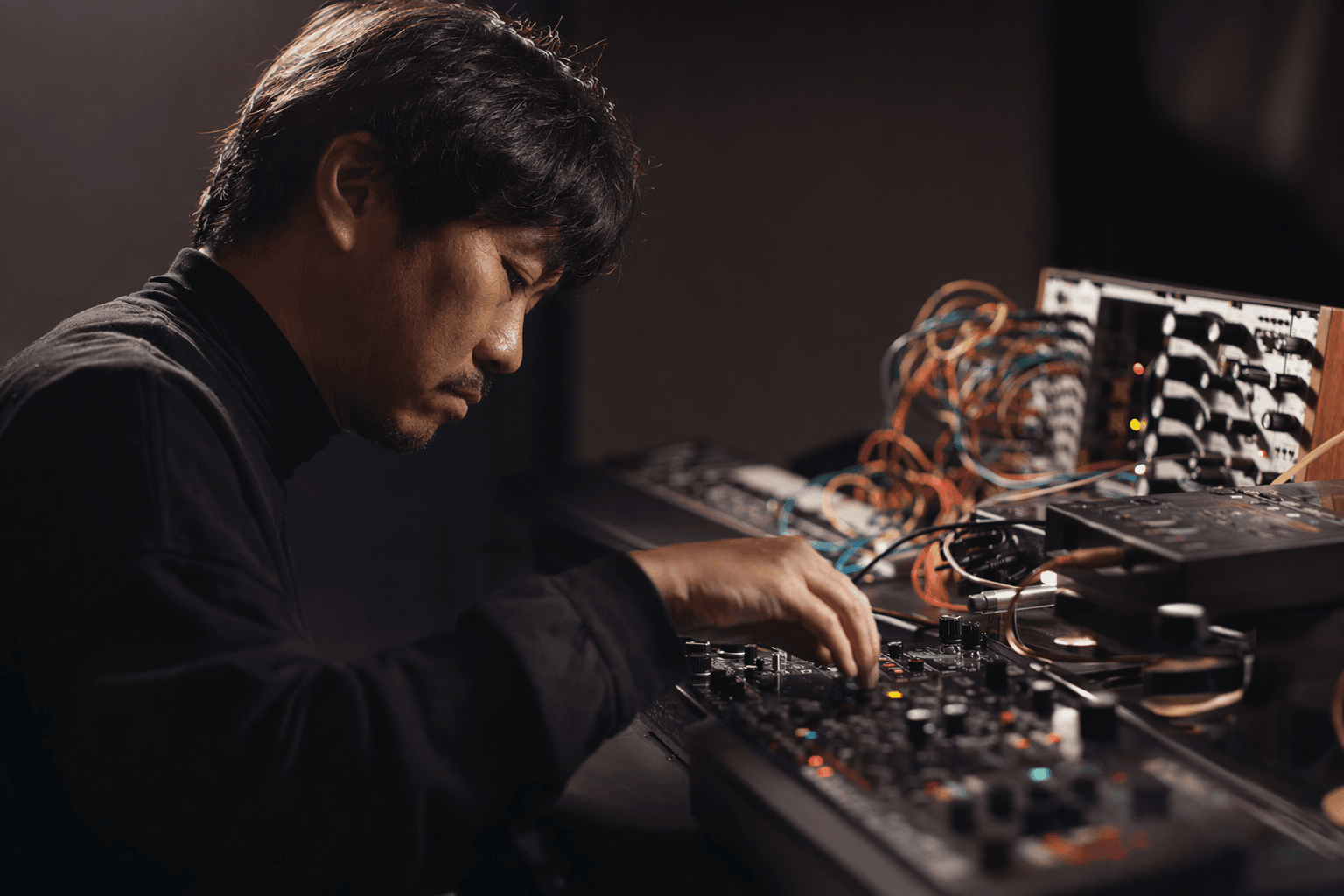
That broader framing matters because the release is not presented as pure club utility. The Bandcamp tagging puts it alongside ambient, BGM for work, chillout, electronica, minimal techno, and techno, which immediately signals a record built for more than one setting. Even before the first track is heard, TECHISM reads like a project that wants to sit between a dancefloor mindset and private listening.
A track list built around drift, not big drops
The track names do a lot of the scene-setting. THE DEEP, COME FULL CIRCLE, TECHISM, YOUR DRIFTING, JUSTICE, Synchro, and FLORA point toward motion, texture, and gradual change rather than obvious peak-time payoff. They suggest a record that values accumulation and atmosphere, where tiny shifts matter more than dramatic breakdowns.
The rest of the sequence deepens that impression. To Not See, ULTRA, Shinjuku Station West Exit, and MAN add a more urban, image-driven edge, making the album feel like a chain of vignettes rather than a stack of interchangeable cuts. That matters in minimal techno, where sequencing can be everything, and TECHISM seems designed to reward front-to-back listening as much as isolated track playback.
Tokyo is not just a location, it is part of the sound
TECHISM feels rooted in Tokyo in a way that goes beyond a simple artist credit. Toron Factory Records describes Tetsu Okawa as living and working in Tokyo, and that framing gives the release a clear city-honed identity. Beatport also identifies him as a Tokyo, Japan techno artist on Toron Factory Records Japan, which reinforces the sense that this is part of an ongoing local ecosystem rather than a one-off project.
That visual and urban sensibility is not accidental. Toron Factory Records says Okawa started producing hard minimal techno inspired by photography, and that he is working on a concept of fusion of images and music. The album title TECHISM fits that world neatly: it suggests a method, a scene, and a viewpoint all at once. Shinjuku Station West Exit feels especially telling in that context, because it places the record squarely in the rhythm of city life, transit, and afterhours movement.
Late-night sessions, minimalist tracks, and a softer edge
The mood around the release was set in advance by Okawa himself. On April 30, 2026, he wrote that his next album would be released soon and that it featured "a collection of minimalist tracks created during late-night sessions." That description lines up with the way TECHISM is presented elsewhere: restrained, inward-looking, and built from patient repetition rather than obvious flash.
YouTube descriptions for TECHISM-related clips push that point even further. Some tracks are framed as techno or electronic music, while others, including Shinjuku Station West Exit and ULTRA, are labeled ambient music, meditation music, and BGM. That kind of split identity is useful here, because it shows Okawa leaning into the overlap between club function and quiet-use listening without treating either one as secondary.
Coherent statement or functional sketches?
For a minimal-techno release, TECHISM works best as a coherent statement. The 11-track length could have made it feel overextended, especially in a style that often thrives on economy, but the track titles, Tokyo references, and ambient-friendly presentation give the album a clear internal logic. It does not sound like a random assortment of tools. It sounds like a record trying to map a particular headspace, one where work music, night music, and club grammar all share the same table.
At the same time, the album does preserve the practical side that minimal-techno listeners often want. The tags and video framing show that Okawa understands utility, repetition, and atmosphere, and he never pushes so far into abstraction that the pulse disappears. That balance is the real point: TECHISM keeps enough rhythmic discipline to stay grounded, while opening enough space to feel personal.
Where TECHISM fits in Okawa’s wider run
This is also not the work of an artist making a sudden left turn. Beatport’s artist page shows a steady run of releases tied to Tetsu Okawa, including FLORA, MAN, BLACK FILE, RIOT 909, Synchro, JUSTICE, Shinjuku Station West Exit, and ULTRA. That kind of catalog suggests continuity, not interruption, and it helps place TECHISM as part of a larger body of Tokyo techno work rather than an isolated concept piece.
Seen in that context, TECHISM feels like a sharpened version of Okawa’s ongoing practice. The release keeps the hard-minimal foundation Toron Factory Records describes, but it lets ambient, BGM, and meditative listening ideas stretch the frame. For a scene that often prizes restraint, that is exactly why the album lands as more than a scale exercise: it uses its 11 tracks to ask how far minimal techno can drift, and still sound like itself.
This article was produced by Prism’s automated news system from verified source data, official records, and press releases, then run through automated quality and moderation checks before publishing. The system is built and supervised by the people who set the standards it runs under. Read our full AI policy.
Did this article answer your question?