Time Warp Mannheim Returns as 19-Hour, Five-Stage Single Edition
After 32 years of spring and autumn editions, Time Warp Mannheim went single: one date, five stages, 19 uninterrupted hours at the Maimarkthalle on March 21.
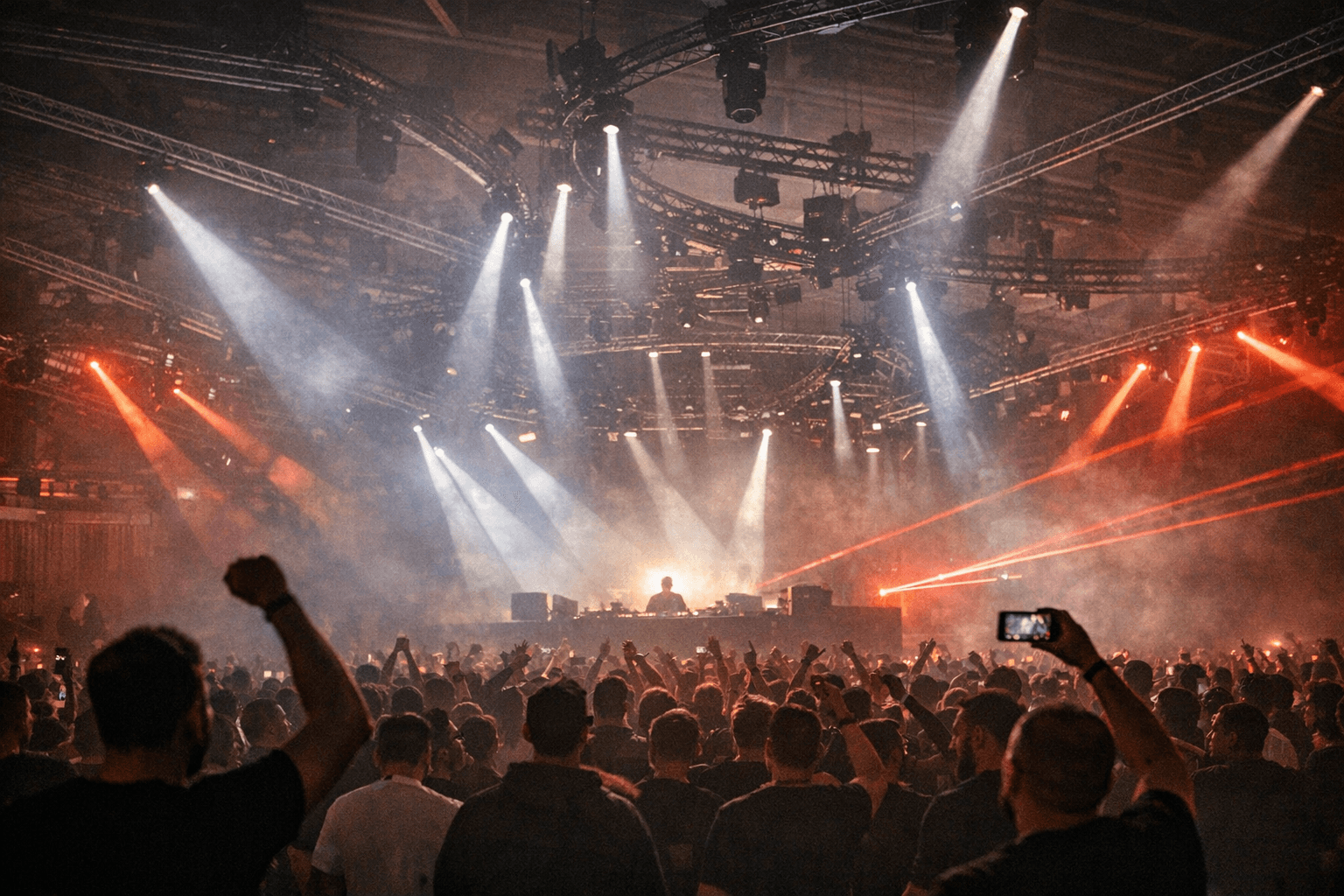
The last time Time Warp ran as two German editions in a year, it was 2025. That era is now officially over. On March 21, the Maimarkthalle in Mannheim hosted what organizers have confirmed as the new permanent format: one spring date, five stages, 19 continuous hours, no autumn follow-up. The 2026 lineup stretched to 47 acts, with headliners including Richie Hawtin, Sven Väth, Adam Beyer, and Amelie Lens.
Around 20,000 people walked into the Maimarkthalle and did not come out until the following morning: nineteen continuous hours, five stages, forty-seven artists spanning three decades of techno. The official slogan, "One Day | Five Stages | 19 Hours," is not just branding. The 2026 edition featured ten exclusive back-to-back sets, pairings created specifically for this event. Among them: Ben Klock b2b MARRØN, Blawan b2b Freddy K, Anfisa Letyago b2b Héctor Oaks, and Adiel b2b Quest.
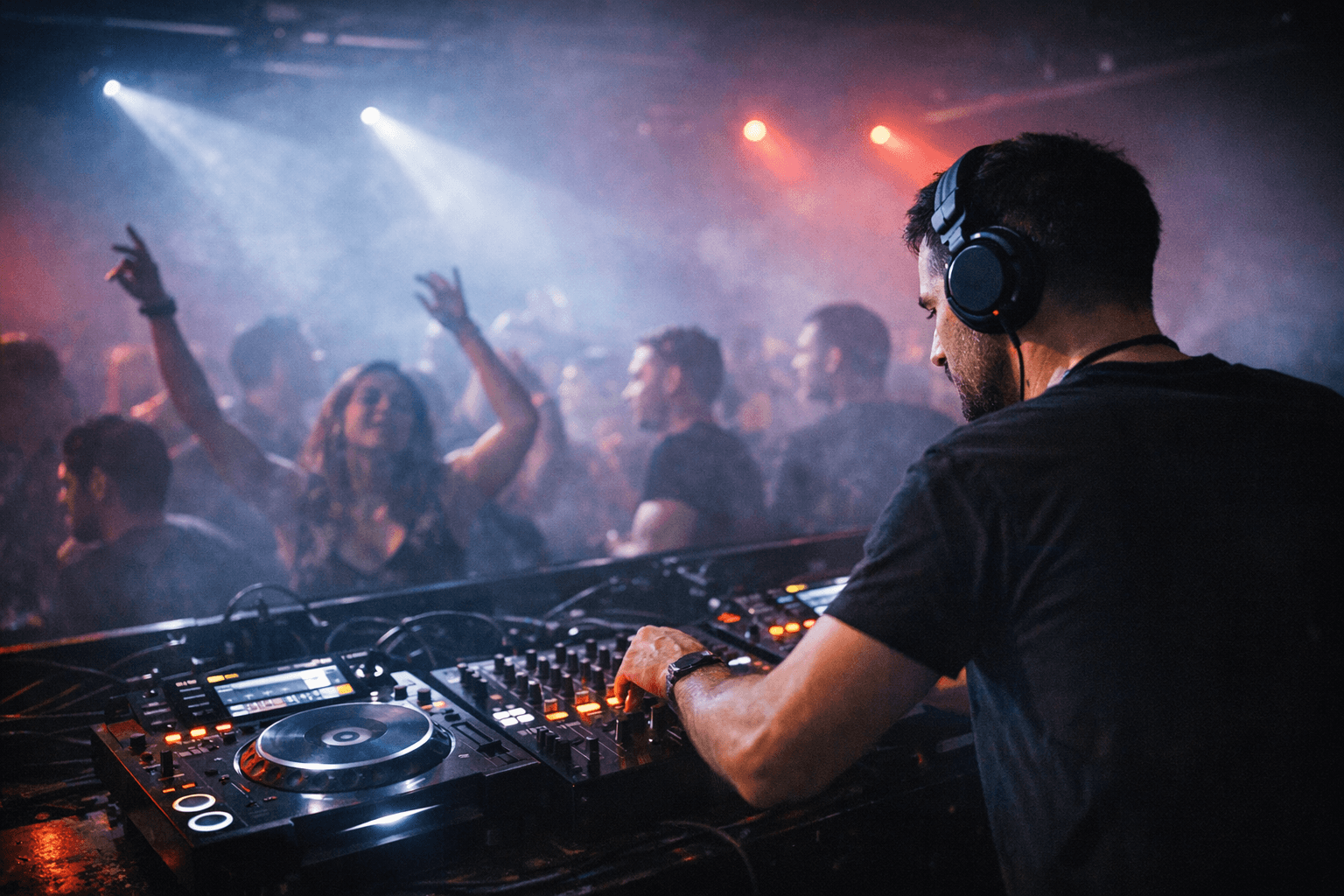
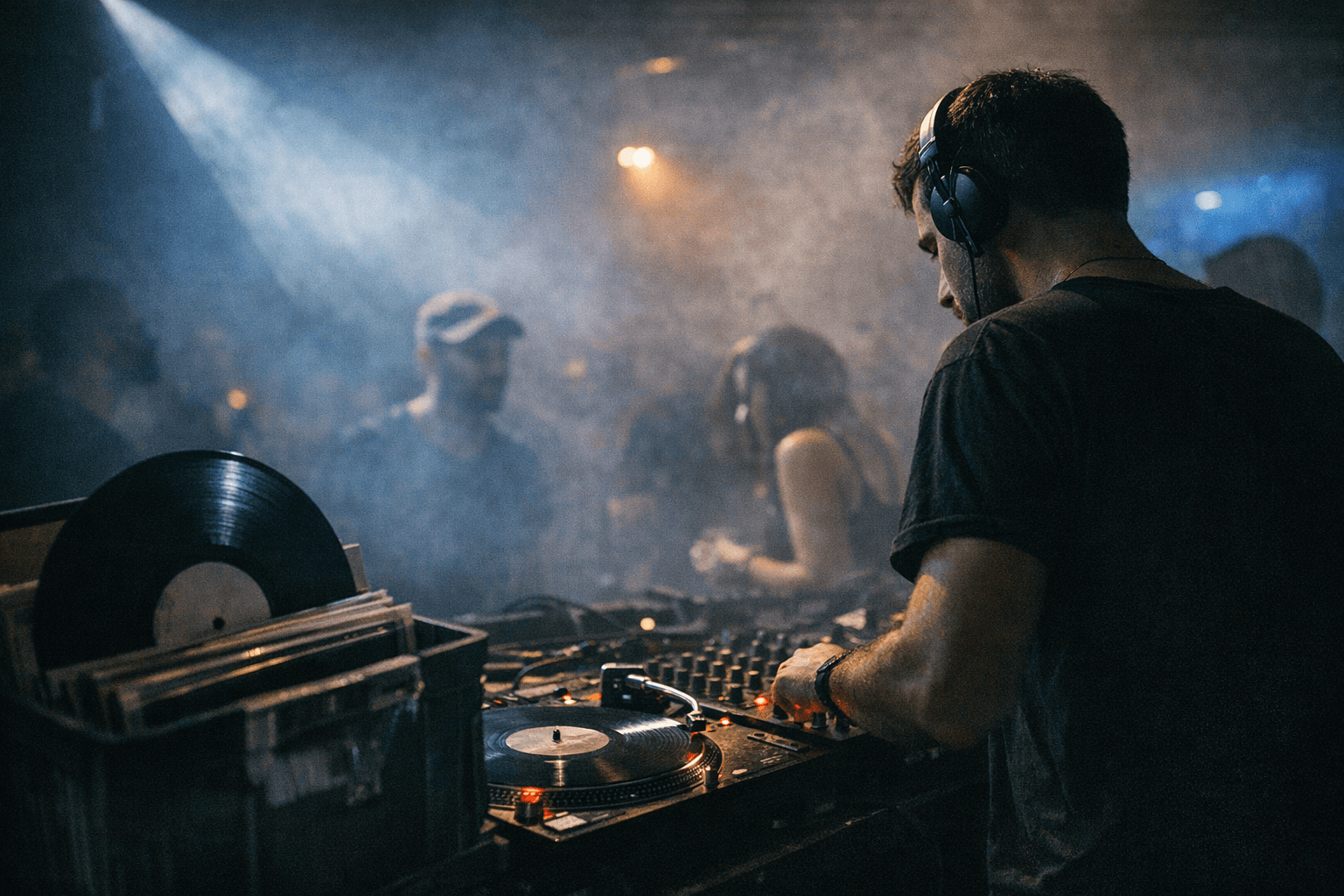
The format change carries real weight for a festival that has run since 1994. After 32 years of spring and autumn editions, the consolidation to a single date is described as permanent. The argument for it is partly artistic. The 19-hour design intentionally mirrors the extended DJ set culture of clubs like Berghain and Fabric, "venues where sets run four or six hours rather than 90 minutes." The idea, as framed around Adam Beyer's presence on the bill, is that "the journey matters as much as the individual moments: the way the music builds through the night, shifts around 3am, and reaches something different by the time the sun is coming up."
Richie Hawtin, whose Plastikman alias helped define minimal techno in the early 1990s, returned as a headliner whose name on the poster, as one guide put it, "functions as a kind of guarantee." Notably, his sets have evolved to track his current production work, meaning a 2026 performance sounds like 2026 rather than a retrospective. Sven Väth, the Frankfurt DJ and Cocoon founder who represents the strand of German techno that "values musicality and emotional arc over pure BPM count," is a natural fit for the marathon structure: his sets habitually move through several emotional registers across long stretches of time.
The lineup is not built around whoever is trending on streaming platforms. It is built around artists whose relationship to the music runs deep, people like Richie Hawtin, Sven Väth, and Marcel Dettmann, whose Berghain residency gives him a credibility that no booking fee can manufacture.
The concentrated format strips out everything peripheral. This is not a multi-day camping festival. It is, as one source described it, "a concentrated experience, almost like a macro-club extended over time." The crowd that turns up for that is, by all accounts, exactly the crowd the format was designed for: serious listeners who treat the edition as their main event of the year, whether as ravers or as research for their own DJ practice.
For those traveling in, Mannheim Hauptbahnhof sits 45 minutes from Frankfurt by direct rail, two hours from Zurich, two and a half from Paris, three and a half from Amsterdam, and four from Berlin. Frankfurt Airport connects to Mannheim in roughly 45 minutes. From Mannheim Hbf, tram lines 6 and 6A or S-Bahn lines S2, S3, and S6 run to the Maimarkt stop, with the transfer covered by the Kombi-Ticket included with most festival passes.
The next German edition is already on the calendar: April 3, 2027, back at the Maimarkthalle, with the organizers billing it as the only German edition of that year. The consolidation has done exactly what one would expect: "more hype, more built-up excitement, and the feeling that it's a case of 'now or wait until next year.
Know something we missed? Have a correction or additional information?
Submit a Tip