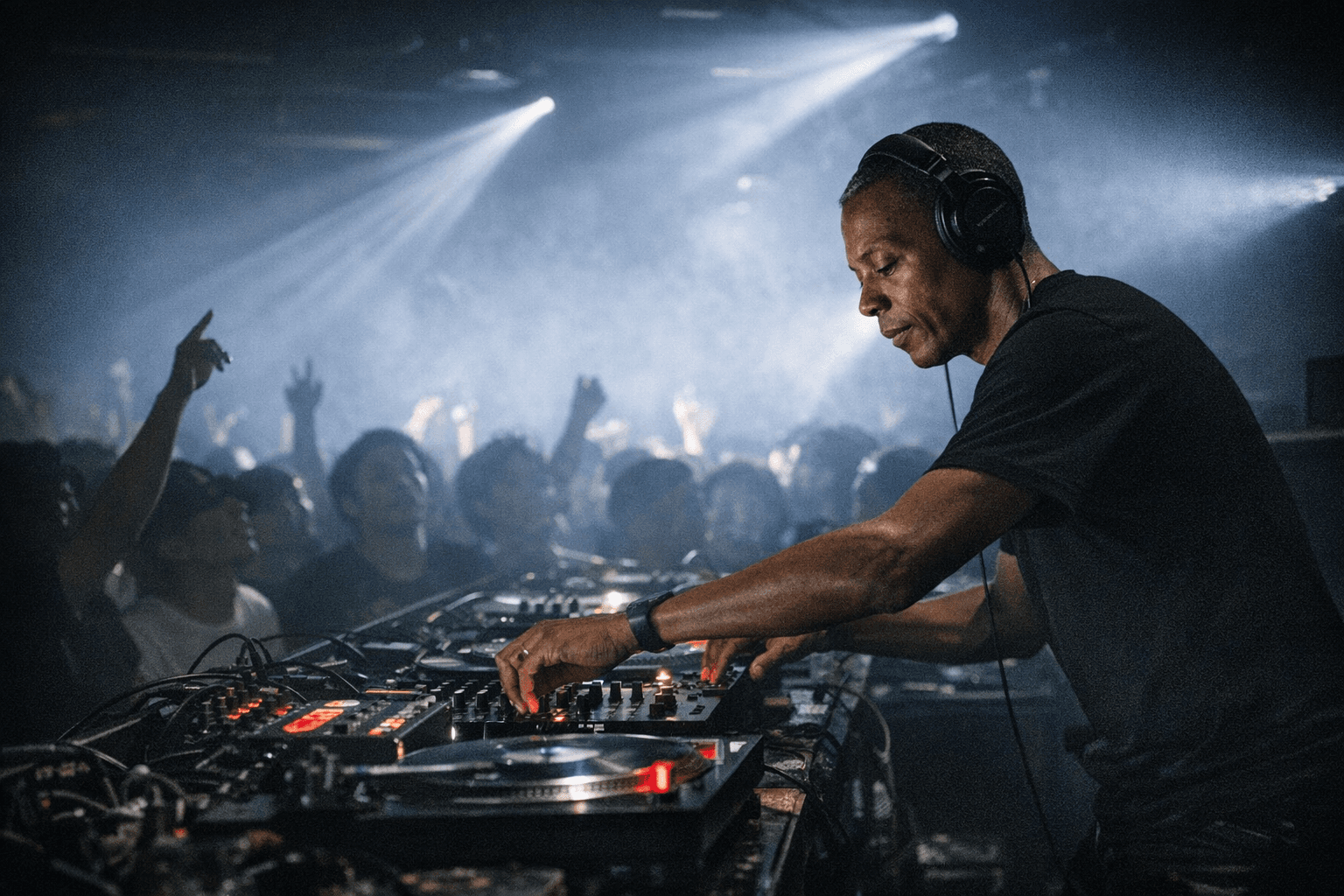
tszr’s Three Six Zero Recordings bridges UK roots and U.S. expansion
tszr is using big-room momentum to push a UK-born label identity into the U.S. club circuit, and the crossover playbook is worth watching.
What tszr is really building
tszr is not trying to win by staying narrow. The Three Six Zero Recordings imprint is positioning itself as a forward-thinking independent label, built around creative freedom and, by its own description, a mission to move music from the underground to global arenas. That matters because the label was founded in 2014, so this is not a sudden pivot or a one-off hype cycle. It has had time to find a lane, and the lane looks increasingly like contemporary house and club music with enough reach to travel well beyond the usual specialist circles.
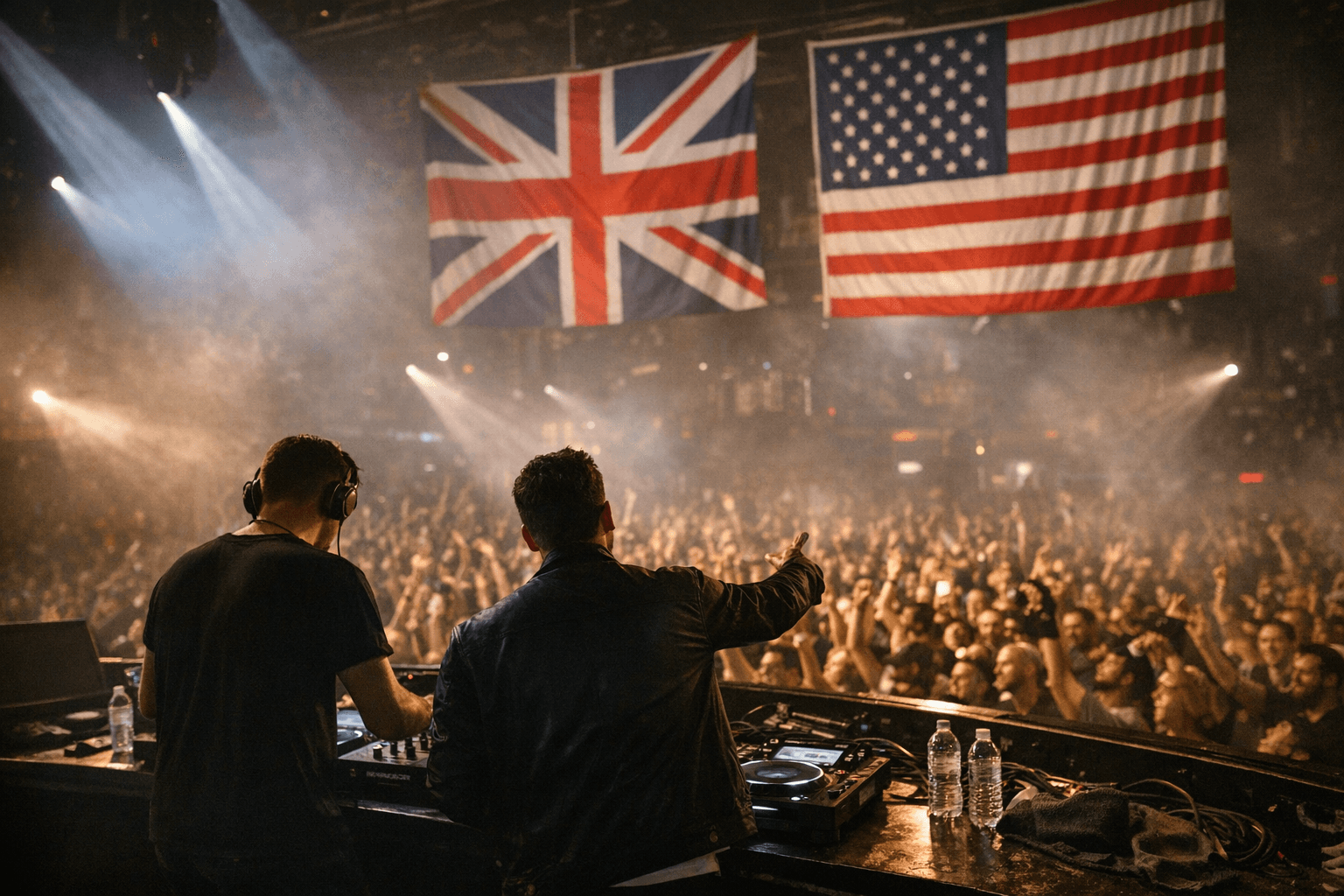
That UK-rooted identity still matters, though. Beatportal’s profile frames tszr as a bridge between those origins and a fast-growing U.S. expansion, which is exactly the kind of label story that catches attention if you follow how scenes mutate once they cross borders. The point is not that tszr sounds like a minimal-techno imprint. The point is that it understands how dance music now moves: through labels, big events, club records, streaming visibility, and artists who can carry more than one audience at once.
Why the San Jose event is the tell
Beatportal opens with San Jose for a reason. A city in the heart of Silicon Valley is not where most people would once have expected a major electronic-music moment, yet the turnout there is used as evidence of renewed appetite for large-scale shows in unexpected American markets. That is a useful signal, because the post-pandemic live circuit has not only rebounded in the obvious places. It has also widened, with electronic music pulling crowds in cities that were never supposed to be core dance capitals.
For label watchers, that changes how you read a roster. A label like tszr is no longer just selling records into DJs’ bags. It is building a culture around records that can support club sets, headline events, and the kind of public-facing momentum that turns local interest into broader demand. If you care about how scene energy gets translated into real-world traction, San Jose is the kind of proof point that tells you the label understands the present moment better than a lot of more niche players do.
Dom gives tszr club credibility with crossover reach
The most telling artist on the imprint right now is Dom. Beatportal says he has been releasing on Three Six Zero Recordings since 2022, and the timing matters because it shows continuity rather than opportunism. He is also Grammy-nominated, and his recent collaborations with Nelly Furtado, Tove Lo, and Kid Cudi place him squarely in the zone where club credibility meets broader pop and hip-hop visibility.
That combination is central to tszr’s current identity. Dom is the kind of artist who can validate a label in front of DJs while also broadening the frame for listeners who come in from outside the deepest corners of the scene. For minimal-techno readers, that does not mean the label is suddenly relevant because it is trendy. It means tszr is operating in the same overlap space that now shapes a lot of modern club music: records have to work in the booth, but they also have to travel through streaming, radio, and high-profile collaborations if they want to keep building.
The roster shows a wider club ecosystem, not a subgenre silo
The label pages paint the clearest picture of tszr’s range. Public listings connect the imprint with artists including Dom Dolla, WILLOW, Jaden, f5ve, Four Tet, Max Styler, horsegiirL, Chris Lorenzo, Skream, LF SYSTEM, Denham Audio, Kiimi, Seedphrase, PAX, Manila Killa, and Lili Chan. That is a wide spread, and it tells you the label is working with a broad house and club framework rather than fencing itself into one subgenre identity.
For readers coming from the minimal side, the useful takeaway is not that these names all sit in your direct line of play. They do not. The value is in watching how the label curates across adjacent zones, from more obvious club records to crossover-facing bookings and releases. When a label can hold Four Tet and Skream in the same orbit as newer or more commercial-facing acts, it starts to look less like a niche imprint and more like a routing hub for contemporary dance music.
Distribution tells you this is an expansion strategy, not just a release schedule
There is also a business side to the story that matters. Industry coverage says Three Six Zero Recordings previously had a global distribution deal with gamma and later moved into a global distribution deal with Warner Music’s ADA. That sequence is not just paperwork. It is a sign that the label has been actively widening its infrastructure, which usually means more reach, more leverage, and a better shot at pushing releases into larger circuits.
The first releases under the ADA arrangement reportedly came from Four Tet, Max Styler, and horsegiirL. That is a strong clue about the imprint’s direction, because it suggests the label is using distribution muscle to back artists who can speak to both club culture and a broader audience. If you follow labels as systems rather than just catalogues, this is where tszr starts to look strategically interesting. It is not only curating sounds; it is building the machinery that gets those sounds heard well outside the rooms where they began.
What this means for minimal-techno ears
If you are looking for straight minimal-techno programming, tszr is probably not your home base. The imprint is more house-forward, more crossover-aware, and more willing to operate at scale than the strict minimal lane usually asks for. Still, that does not make it irrelevant. It shows how modern club labels use artist identity, event culture, and distribution to keep a sound moving across scenes without getting trapped inside one subgenre box.
The practical crossover lesson is this: tszr understands that the best contemporary labels do not survive on taste alone. They survive by pairing credible records with visible moments, whether that is a San Jose show that proves demand in a non-traditional market or a Miami Music Week bill that puts Chris Lorenzo and Skream into a B2B with Lab54 on April 14, 2026. That is a label thinking in terms of momentum, not just output.
For minimal-techno readers, that makes tszr worth tracking even if it sits outside the pure lane. It is a clear example of how underground instincts, UK roots, and U.S. expansion can be fused into one label identity that is built to travel, and that is exactly the kind of machinery shaping where club culture goes next.
Know something we missed? Have a correction or additional information?
Submit a Tip