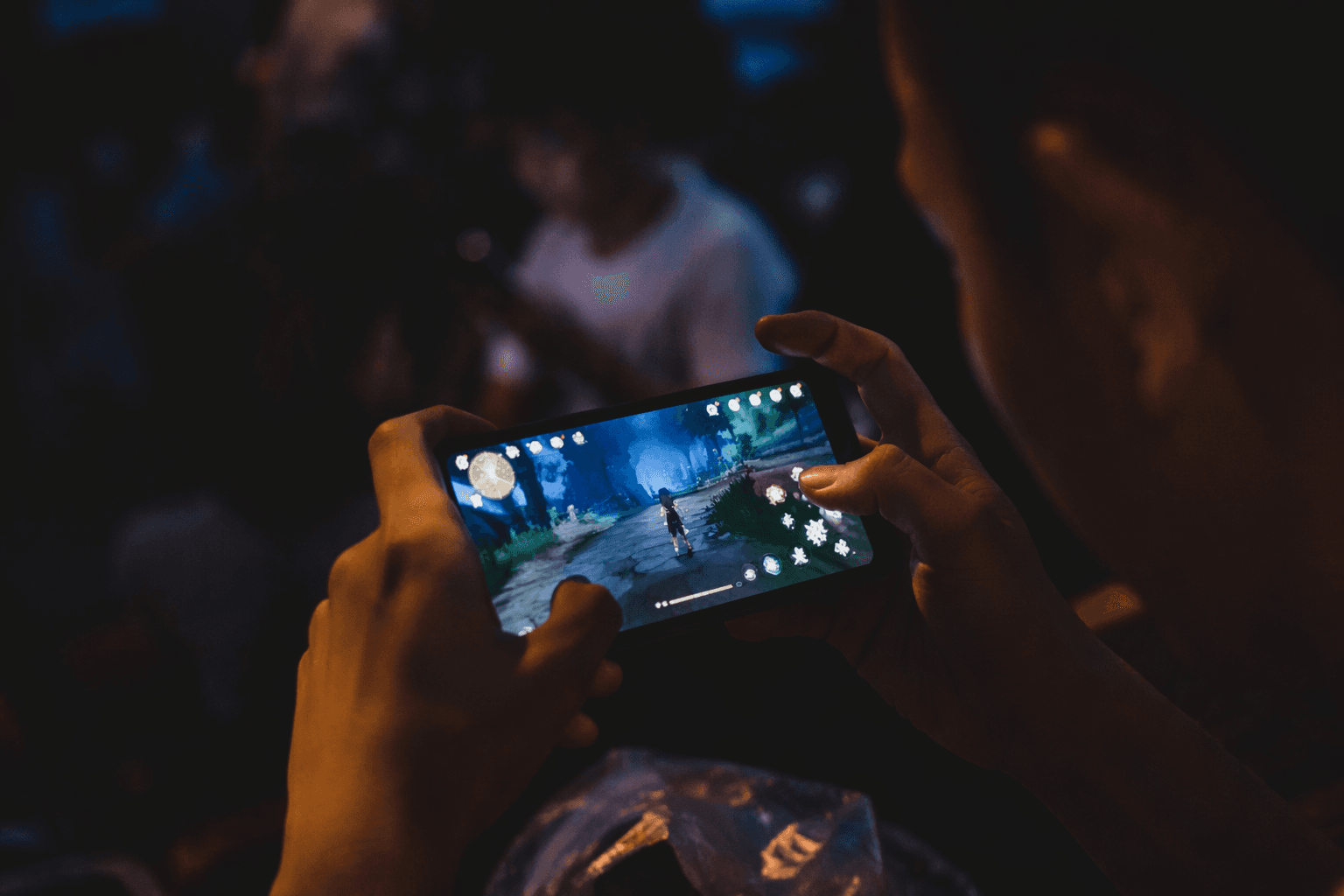
Asia-Pacific drives mobile gaming growth as market nears $256 billion by 2030
Mobile gaming is headed for USD 256.19 billion by 2030, but Asia-Pacific, free-to-play, and cloud access will decide what players actually get.

The phone in your pocket is still the biggest money machine in games. Grand View Research puts the global mobile gaming market at USD 139.38 billion in 2024 and sees it climbing to USD 256.19 billion by 2030, but that headline only matters if you look at what is driving it: where players are spending, which regions are setting design trends, and whether the next wave feels like better access or heavier monetization.
Asia-Pacific sets the tempo
Asia-Pacific is the center of gravity. Grand View Research says the region held 52.30% of global mobile gaming revenue in 2024, and it puts Asia-Pacific mobile gaming at USD 72.8957 billion in 2024, rising to USD 142.954 billion by 2030 at an 11.4% CAGR. That is not a side market anymore, it is the template the rest of the industry keeps trying to catch.
The reasons are practical, not abstract. The region’s growth is being helped by affordable smartphones and rising internet penetration, especially in Southeast Asia, which means mobile is often the first real gaming platform players touch. When that audience scales, publishers do not just get more installs, they get a louder signal on what kinds of progression systems, event loops, and retention hooks actually work.
North America still matters, even in an Asia-led market
The report also flags North America as a major growth region, with the United States holding the largest revenue share in that market in 2024. That matters because North America is where a lot of live-service design gets stress-tested at high spending levels, especially in games built around recurring passes, limited-time bundles, and heavy event cadence.
If Asia-Pacific is where mobile gaming broadens out, North America is where monetization discipline gets sharpened. Publishers want both: scale from Asia-Pacific and high-value spend from the U.S. That mix is one reason mobile keeps getting treated like the main event instead of a companion platform.
Free-to-play still owns the checkout lane
Free-to-play remains the dominant model for a simple reason: it lowers friction and keeps the funnel wide. On mobile, where the top of the market is driven by volume and repeat sessions, that model still fits the way players actually discover and return to games. It is also the reason mobile gaming keeps leaning so hard into cosmetics, battle passes, stamina systems, and event-driven spending.
The warning sign is play-to-earn. Academic research on token economies shows that churn rises sharply once tokens are no longer profitable, which is exactly why P2E keeps running into sustainability problems. That is a hard lesson for anyone who has watched a supposedly revolutionary economy collapse the moment the rewards stop outpacing the grind.

For players, the takeaway is blunt. The sustainable games are the ones that can keep you engaged without needing the token price to stay propped up. If the economy only works while outside buyers keep pouring in, the runway is shorter than the marketing suggests.
Cloud gaming is making phones feel less compromised
Cloud gaming is the part of the market that actually feels player-friendly when it works. Grand View Research says the global cloud gaming market could reach USD 21.04 billion by 2030 at a 44.3% CAGR, and it notes that Asia-Pacific accounted for more than 45% of cloud gaming market share in 2024. The growth driver is straightforward: expanding high-speed internet and wider 5G adoption.
That has real consequences for mobile. A cloud-delivered game can make a midrange phone feel a lot less underpowered, and it can turn a mobile device from a stripped-down side option into a more credible access point. The catch is that better accessibility does not automatically mean less monetization pressure. It can just as easily mean more ways to keep players inside a service longer.
The bigger ecosystem is already enormous
Mobile is not growing in isolation. Grand View Research says the mobile segment generated more than 46% of gaming-market revenue in 2024, which is a reminder that the device in your hand still drives a huge share of the business. A Gaming for Good whitepaper puts the wider audience at more than 3 billion players worldwide and the annual games market at over $200 billion, which helps explain why mobile gaming matters to advertisers, subscription strategies, and broader digital entertainment plans.
The comparison forecasts all point the same way, even if they do not land on the exact same number. Statista projects worldwide mobile-games revenue at US$134.22 billion in 2026 and US$163.98 billion by 2030, while Newzoo’s public 2024 materials keep the focus on global forecasts and regional performance. Different models, same conclusion: mobile is still the largest slice of gaming’s future.
There is also a sustainability angle that is easy to miss if you only look at revenue charts. The United Nations Environment Programme’s Playing for the Planet 2024 impact report shows that gaming companies, environmental advocates, and policymakers are increasingly linking the industry to climate action and decarbonization efforts. That adds another layer of scrutiny to growth, because the industry is now being judged not just on how much it earns, but on how responsibly it scales.
The real story behind the USD 256.19 billion forecast is not a single market size number. It is a split screen: Asia-Pacific is setting the pace, North America is still the high-value proving ground, cloud gaming is making phones more capable, and free-to-play continues to dominate while play-to-earn struggles to survive on its own economics. If you care about where the next big mobile games will come from, and how they will ask you to spend, that is the part worth watching.
This article was produced by Prism’s automated news system from verified source data, official records, and press releases, then run through automated quality and moderation checks before publishing. The system is built and supervised by the people who set the standards it runs under. Read our full AI policy.
Did this article answer your question?