Letter Trek Shows How Mobile Games Are Expanding Into Living Rooms
Letter Trek is a small clue to a bigger shift: mobile games can now jump to the TV, and the phone becomes the controller.
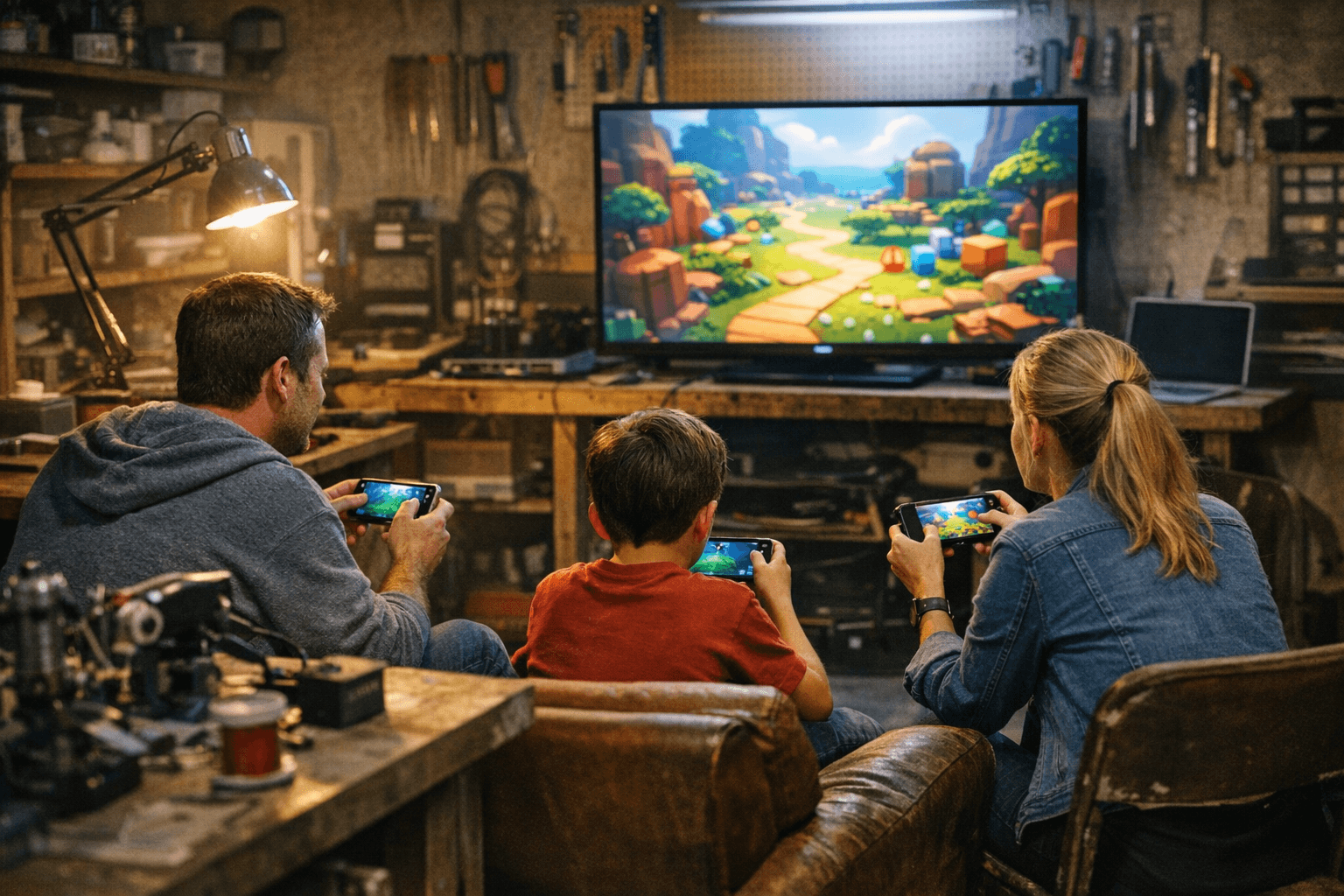
Letter Trek and the new living-room path for mobile games
Letter Trek is not just another puzzle release finding a new shelf inside Amazon Luna’s GameNight. It is a clear test case for a bigger question in mobile gaming: can a phone-first game solve the problems of friction, visibility, and group play better on a TV than it does on a handset? The answer, at least in this case, is promising enough that Pocket Gamer’s Iwan Morris frames GameNight as “a new, complementary addition to mobile gaming.”
That framing matters because it shifts the story away from a simple app launch and toward distribution. If a game can live in a living-room environment without losing its mobile DNA, then the phone stops being the whole stage and becomes the entry point. In practical terms, that means fewer barriers when friends or family want to play together, and a better chance that short, social games can travel beyond the usual App Store discovery grind.
Why GameNight changes the setup
Amazon describes GameNight as a collection of approachable local multiplayer games for the living room, included with Prime. The setup is intentionally low-friction: players scan a QR code shown on the TV, then use their phones or tablets as controllers. That is the kind of onboarding that immediately answers a real player problem, especially for group play. Nobody has to pair extra hardware, pass around a console controller, or learn a complicated system before the first round starts.
Amazon also says Luna currently offers more than 50 games to Prime members at no additional cost, with GameNight itself presented as an evolving collection of more than 25 approachable local multiplayer games. That split is important. It shows GameNight is not trying to be the entire service; it is a curated lane inside a broader subscription ecosystem. For players, the appeal is obvious: one membership, a growing library, and a format built around quick shared sessions rather than isolated solo play.
The device support widens the reach further. Amazon says GameNight can be played on compatible Fire TVs, Fire tablets, smart TVs, PCs, and tablet devices, with phones and tablets serving as controllers. That cross-device flexibility helps explain why a game like Letter Trek fits so neatly into the concept. The platform is built for screens people already own, and the phone does the part it does best: fast input and easy access.
Why Letter Trek is a strong fit
Amazon’s Letter Trek page describes the game as supporting 1-4 players and highlights mini-games such as Sandy Stacks and Lightning Letters. Those details reveal a lot about the design space GameNight is aiming for. This is not a format built for sprawling campaigns or long solo sessions. It is built for readable rules, short rounds, and quick social momentum, the kind of structure that works when people are sharing a couch and looking at one screen.
That matters for mobile games because many of the strongest mobile experiences already rely on simple interaction loops. Letter Trek’s group-friendly setup suggests a path where mobile design does not need to be rebuilt from scratch to fit living-room play. Instead, it can be translated into a shared-screen format that makes the game easier to watch, easier to understand, and easier to jump into with other people present.
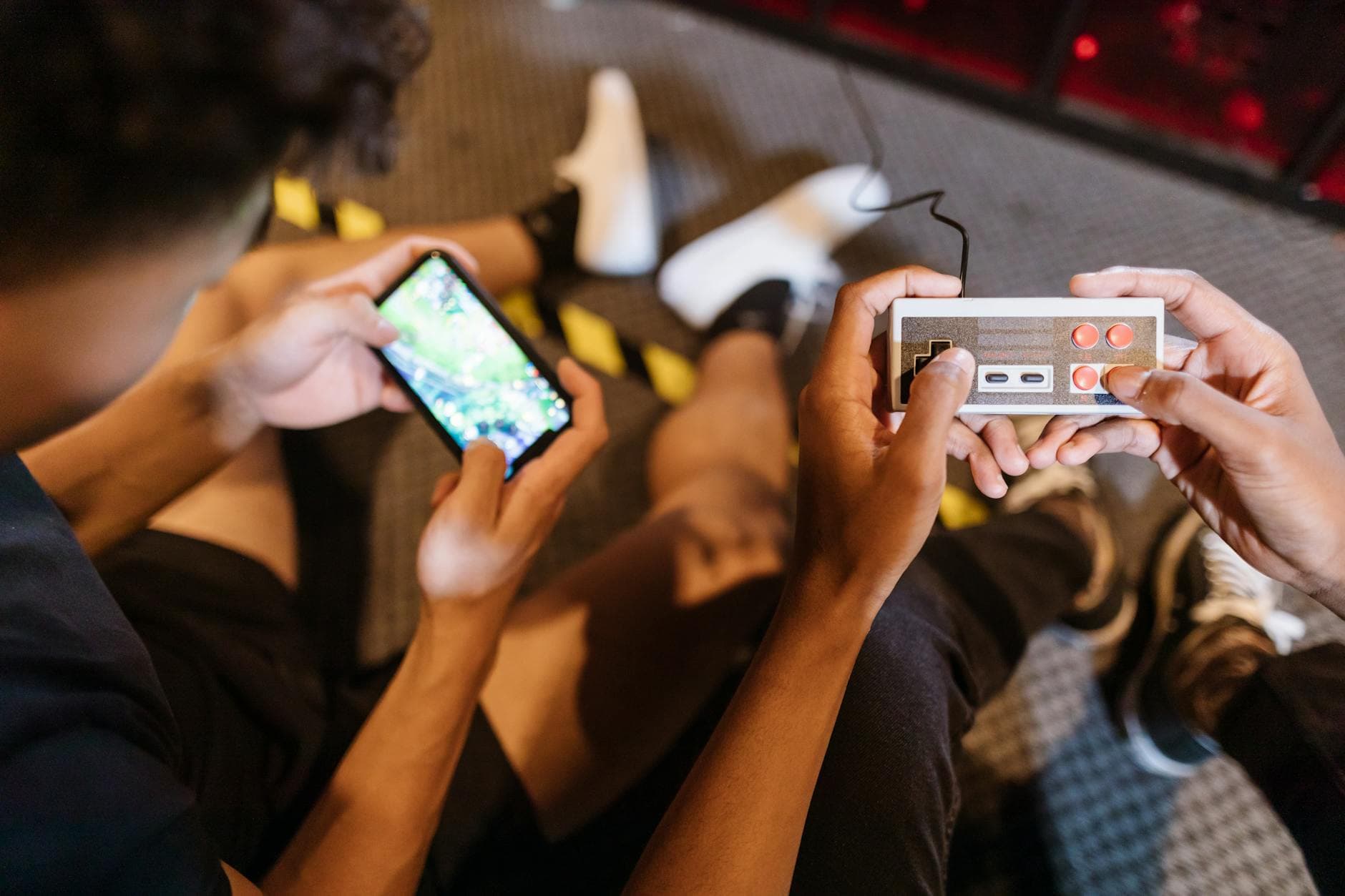
The mini-games also hint at how this category may grow. When a title supports multiple bite-sized modes, it becomes easier to keep a room engaged without demanding a long attention span from any one player. That is a useful answer to one of mobile gaming’s oldest limits: the phone is personal, but the best party moments are social. GameNight tries to bridge that gap by making the room the social layer and the phone the input device.
Does it solve a real problem, or is it too niche?
The strongest case for GameNight is that it removes friction from local multiplayer. It turns a TV into the display, turns a phone into the controller, and uses QR code sign-in to get everyone in quickly. That directly addresses a common problem in couch gaming: people want something spontaneous, but setup gets in the way. In that sense, the format is not gimmicky. It is practical.
The weaker case is scale. GameNight still depends on a Prime membership, compatible devices, and a setting where multiple players are physically together. That makes it more accessible than a console stack-up, but also more niche than the average mobile game download. It is likely to work best for households, gatherings, and family rooms rather than for the broad solo-mobile audience that dominates much of the category.
Still, niche does not mean insignificant. The fact that Amazon is building out more than 25 approachable local multiplayer games inside a service that already offers more than 50 games at no extra cost suggests real intent, not just an experiment. Pocket Gamer’s broader point is that streaming services are increasingly folding games into subscription platforms, and GameNight fits that trend cleanly. If the format catches on, it could influence how more mobile games launch, especially titles that can translate into a shared, social setting without losing their core simplicity.
What players should take from the shift
For players, the most useful takeaway is that discovery is starting to happen outside the standard mobile storefront path. A game like Letter Trek can now show up as part of a living-room package, where the pitch is not just “download this app,” but “gather your crew on the couch and play.” That is a meaningful difference in how people find games and how they decide to spend time with them.
It also changes what success can look like. A mobile game does not have to prove itself only as a solo time-filler on a small screen. It can also work as a shared experience, a quick party option, or a family game that lives inside a subscription service. Letter Trek, with its 1-4 player support and mini-games like Sandy Stacks and Lightning Letters, is a strong example of that shift in action.
The bigger story is not that mobile gaming is leaving phones behind. It is that the phone is becoming one part of a wider entertainment setup, and in GameNight’s case, that setup is built for the living room. If more developers can make that jump cleanly, the next wave of mobile launches may be judged less by store-page polish and more by how well they perform when the screen gets bigger and the audience gets closer.
This article was produced by Prism’s automated news system from verified source data, official records, and press releases, then run through automated quality and moderation checks before publishing. The system is built and supervised by the people who set the standards it runs under. Read our full AI policy.
Did this article answer your question?


