Mobile game burnout is a design problem, experts say
Burnout in mobile games often comes from the loop itself, not the player. Experts say the clearest warning signs are daily chores, endless events, and FOMO-heavy design.
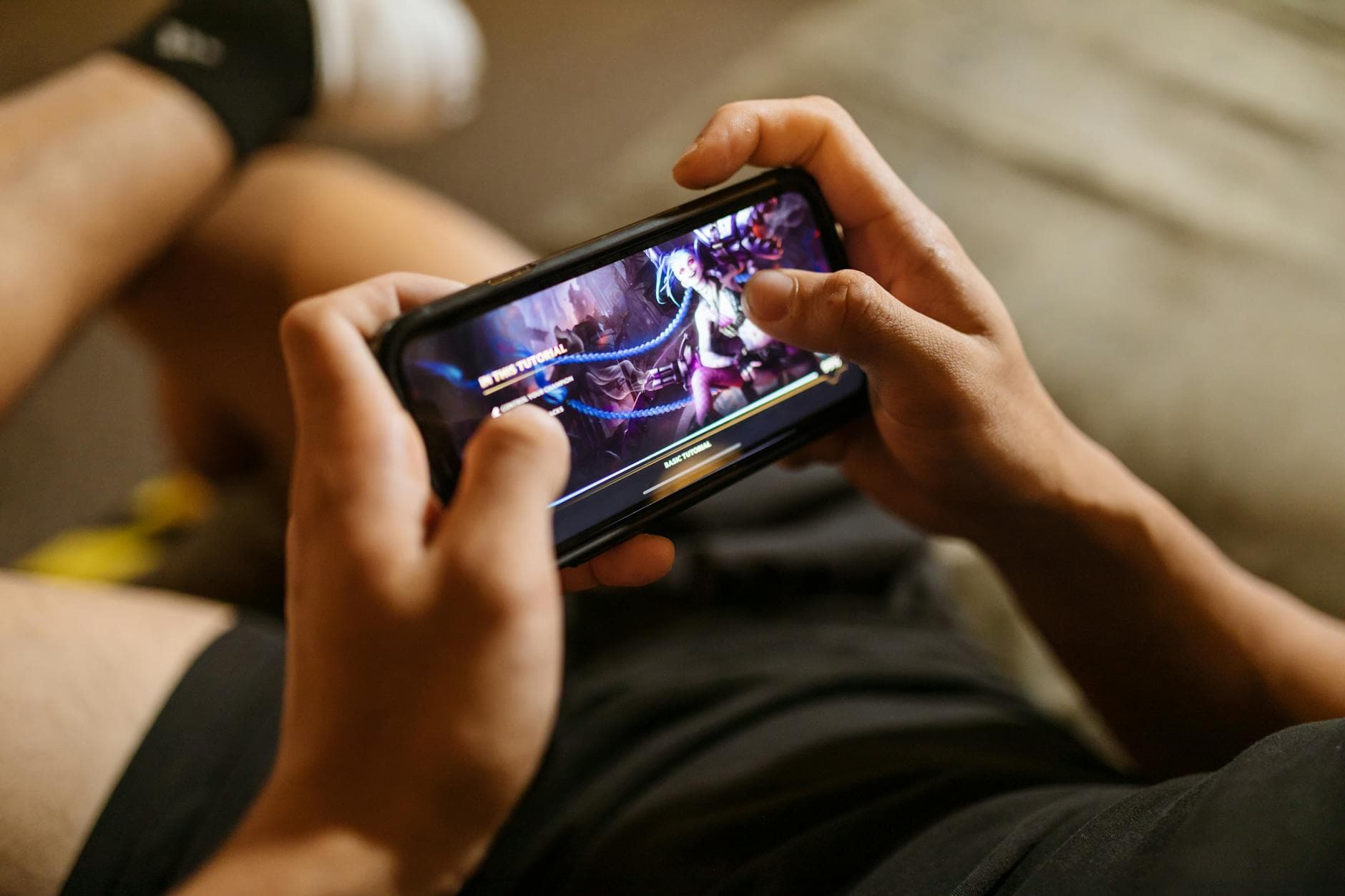
Burnout starts with the design loop
When a mobile game keeps asking for one more login, one more event, and one more push notification, burnout stops looking like a personal failing and starts looking like a systems problem. That is the core argument inside the Mobile Mavens discussion: player fatigue is not just about weak willpower or “playing too much,” but about games that demand too much and give too little back.
That idea matters because mobile has become a pressure cooker. Competition is fierce, live ops and the free-to-play model are now core pillars of the business, and studios are expected to keep a steady stream of updates, events, and monetisation hooks flowing without exhausting the audience. In other words, the games that last are usually the ones that can keep players interested without turning every session into a chore list.
What players feel first
The fastest way to spot a game that is drifting toward burnout is to look at how it handles time. Daily chores, endless events, and aggressive FOMO are the usual culprits, because they turn play into obligation. A healthy game can make a player want to come back; a tiring one makes coming back feel like catching up on homework.
The Mobile Mavens discussion frames that tension clearly: burnout happens when games demand too much without offering enough in return. That can mean reward structures that do not match the effort, event calendars that never let up, or a sense that missing a day means falling permanently behind. When every system is tuned to pressure, even a fun game can start to feel like work.
Why the market pushes studios in this direction
The numbers help explain why so many games lean on constant engagement. Sensor Tower reported that global consumer spend in mobile games fell to $107.3 billion in 2023, the second straight annual decline. Downloads also fell for the first time, slipping to nearly 88 billion, which is a reminder that the market is no longer expanding on easy mode.
The U.S. launch pipeline shows how tight the space has become. Only 13.3% of the top 1,000 U.S. games by downloads were newly launched in 2023, the lowest share in five years. Sensor Tower also said 15 games reached 100 million first-time installs in 2023, down from 20 in 2022. That is the kind of environment where every studio is fighting for attention, and where the temptation to squeeze more out of every live event becomes hard to resist.
The survival math behind live ops pressure
SuperScale’s Good Games Don’t Die report adds another layer to the story. It found that 83% of launched mobile games fail within three years, 76% reach peak revenue within the first year, and only 5% receive support seven years after launch. That is brutal math, and it explains why teams obsess over retention, pacing, and monetisation almost from day one.
The problem is that the same short-term urgency that helps a game survive can also make it exhausting to play. If revenue peaks early and long-term support is rare, studios may be tempted to front-load events, rewards, and offers before the audience has even settled in. The strongest lesson in those numbers is not that players are fickle. It is that the system is structurally biased toward sprinting when it should be pacing.
Burnout is bigger than the in-game loop
One of the more useful ideas in the discussion is that burnout extends beyond the game client itself. It begins in the marketing creatives players see, continues through the app store presence, and carries on in how new features and events are communicated. If the entire journey feels like a constant sales pitch, players notice that before they can even explain why they are tired.
Google Play’s Promotional Content tools are a useful contrast here. They are built to surface fresh, timely material such as special offers, limited-time events, new content, and major updates. Google says frequent, high-quality promotional content signals that a developer is still investing in the app, which is a reminder that communication can build trust instead of just chasing clicks. The best live games do not only update often, they explain why those updates matter.
What better design looks like
The wider shift in mobile is not about abandoning monetisation. It is about making retention feel earned rather than extracted. The discussion points toward a few practical habits that respect player time while still supporting the business:
- Balance content depth with pacing, so players have room to breathe between big beats.
- Use audience segmentation and personalized offers instead of blasting everyone with the same pressure.
- Plan live ops more carefully, so events feel meaningful instead of endless.
- Keep communication clear, especially when new features or limited-time content arrive.
- Treat marketing, store presence, and in-game systems as one player journey, not separate silos.
Those choices matter because they change the emotional tone of a game. A well-run live service can feel active without feeling needy. A bad one teaches players to expect chores, timers, and guilt.
The broader burnout conversation is not new
The language around burnout predates mobile gaming’s current live-ops era. The World Health Organization classified burnout in 2019 as an occupational phenomenon resulting from chronic workplace stress that has not been successfully managed. In game communities, the term has long appeared in talks and coverage about overwork, but the mobile angle is different: players are now seeing the same structural logic applied to the games they open every day.
That is why this conversation lands so hard in mobile. The same market forces that made live ops essential have also made burnout easier to create. The games that respect their audience will be the ones that can stay active, communicate clearly, and monetize without turning every session into an obligation. In a crowded market, that is not just a kindness. It is a survival strategy.
This article was produced by Prism’s automated news system from verified source data, official records, and press releases, then run through automated quality and moderation checks before publishing. The system is built and supervised by the people who set the standards it runs under. Read our full AI policy.
Did this article answer your question?


