Niantic Spatial Shifts Ingress Operations While Pursuing Robotics and Delivery Partnerships
Niantic Spatial is reshaping how Ingress runs while chasing robotics and autonomous delivery deals built on its visual mapping tech.

Niantic Spatial, the mapping and spatial computing arm spun out of Niantic's augmented reality work, moved on Tuesday to materially restructure operations for Ingress, the AR game that essentially started the whole location-based mobile gaming genre before Pokémon GO ever existed.
The changes to Ingress come as Niantic Spatial pursues a notably different commercial direction from its gaming roots. The company is actively courting partnerships with robotics firms and autonomous delivery companies, with its Visual Positioning System technology serving as the core asset in those conversations. That's a significant pivot in emphasis: the same underlying spatial mapping infrastructure that powers portal networks for Ingress agents is now being positioned as industrial-grade navigation tooling for machines that need to understand physical environments at street level.
For the Ingress community, which has stayed loyal through years of Niantic's shifting priorities, this restructuring lands with real weight. Ingress has always been the scrappier, more hardcore sibling to Pokémon GO, running on a smaller but deeply committed player base of agents who take faction warfare seriously. Any operational changes from the parent company tend to ripple hard through that community because there's less casual engagement to absorb the impact.
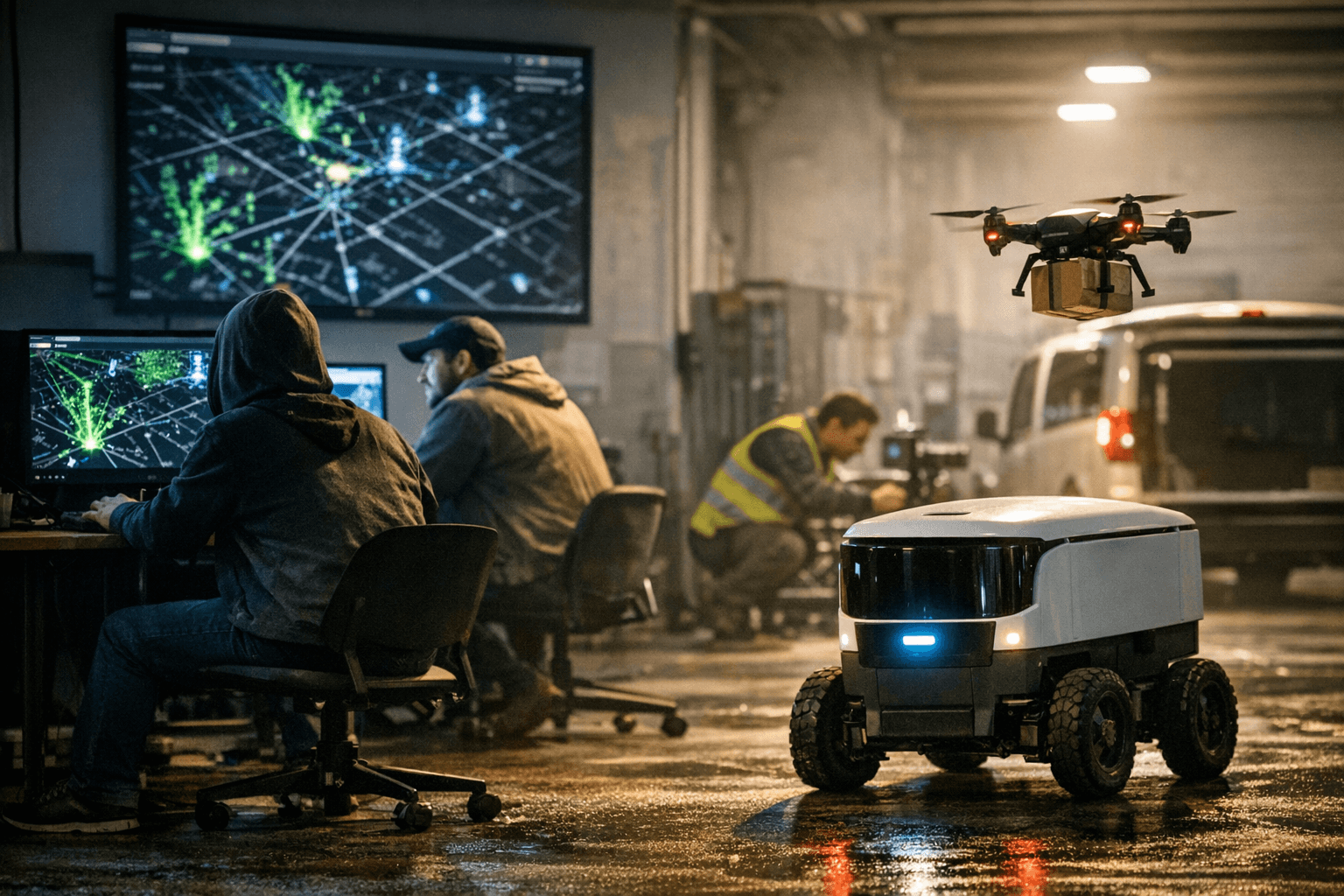
The robotics and delivery angle makes strategic sense from a data perspective. Autonomous systems navigating real-world environments need exactly the kind of dense, ground-level spatial data that years of Ingress and Pokémon GO gameplay have generated across millions of locations worldwide. Niantic Spatial's Visual Positioning System represents a genuine competitive asset in that market, and partnering with firms building delivery robots or autonomous vehicles gives the company a commercial revenue path that doesn't depend on mobile gaming engagement metrics.
What remains to be seen is how aggressively Niantic Spatial optimizes Ingress around business priorities rather than player experience. The game survived the post-Pokémon GO period when resources clearly shifted. Whether it survives becoming infrastructure for a robotics company is a different question.
This article was produced by Prism’s automated news system from verified source data, official records, and press releases, then run through automated quality and moderation checks before publishing. The system is built and supervised by the people who set the standards it runs under. Read our full AI policy.
Did this article answer your question?