Athearn announces Genesis ICC caboose line for modern-era modelers
Athearn's lit, sound-equipped ICC caboose brings a finished rear end to 1970s-to-2015 freight consists, with SP road numbers and a $179.99 sound-equipped listing.
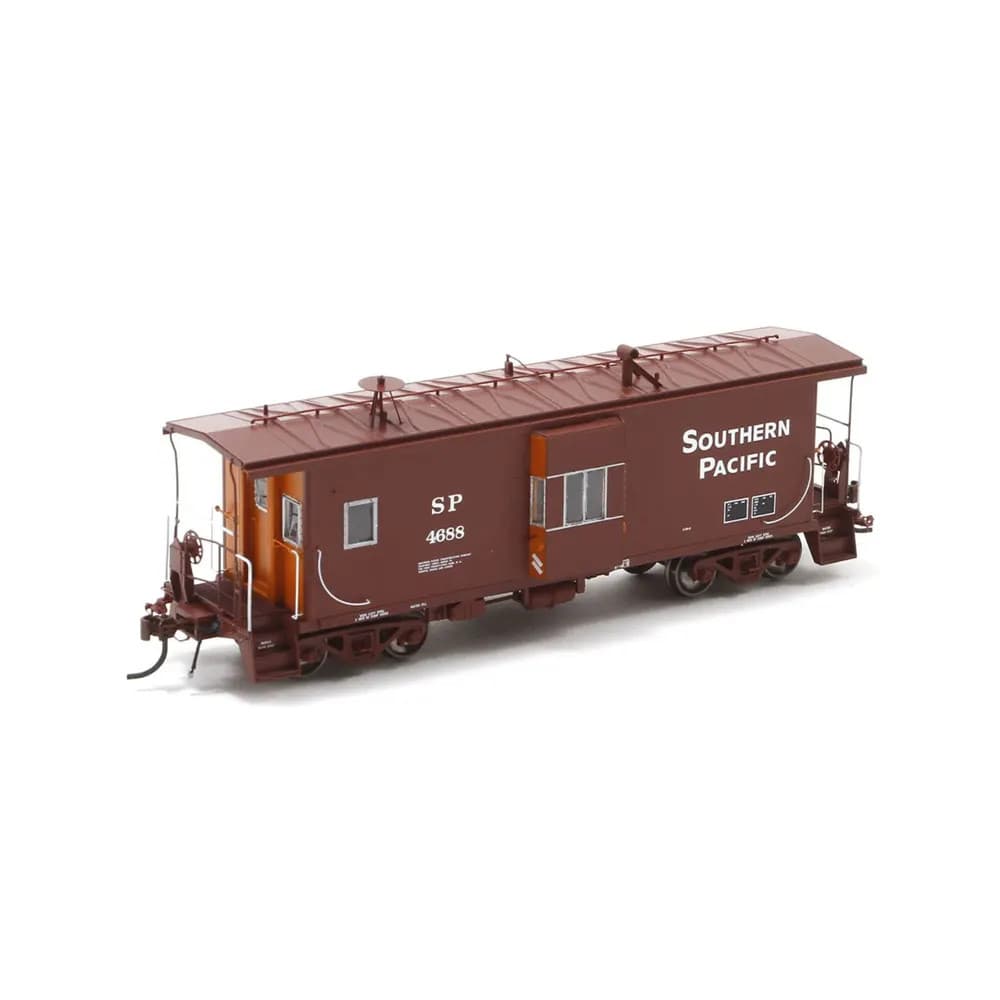
A lit, sound-equipped bay-window caboose changes the look of a freight train the moment it rolls onto the tail end. Athearn’s new Genesis ICC caboose line does exactly that for HO modelers working 1970s through 2015-era scenes, especially Southern Pacific layouts and other western-road rosters that still need a proper rear-end car to finish the consist.
Athearn released the Genesis HO ICC Caboose on Monday, May 11, 2026, and the line is being offered with lights and with lights and sound. Product listings already show road-numbered versions such as Southern Pacific #1941, Southern Pacific #1955 and an ATH “USA 250th Anniversary” #2026. At least one sound-equipped listing carries a pre-order price of $179.99, placing this squarely in premium Genesis territory.
The prototype matters because the ICC caboose was not just a visual signature, it was a working tool. Athearn’s historical notes say the design was intended to improve rearward visibility as freight cars grew taller after World War II. International Car Company’s extended-vision, or wide-vision, answer moved the cupola sides outward beyond the carbody, giving rear-end crews a better view of shifting loads, damaged equipment and overheated axles. Railroad-history sources put International Car Company in caboose specialization by 1941, and prototype notes point to the first Southern Pacific wide-vision order being delivered in 1959.
That timeline is why the release reaches well beyond pure nostalgia. Caboose use on major North American freight railroads declined sharply in the 1980s as end-of-train devices spread, but Athearn is aiming this line at the long afterlife of the car: the last years of caboose operation, museum trains, heritage excursions and preserved-road specials. For those eras, a bay-window caboose is not filler. It is the visual punctuation mark that tells the eye the train is complete.
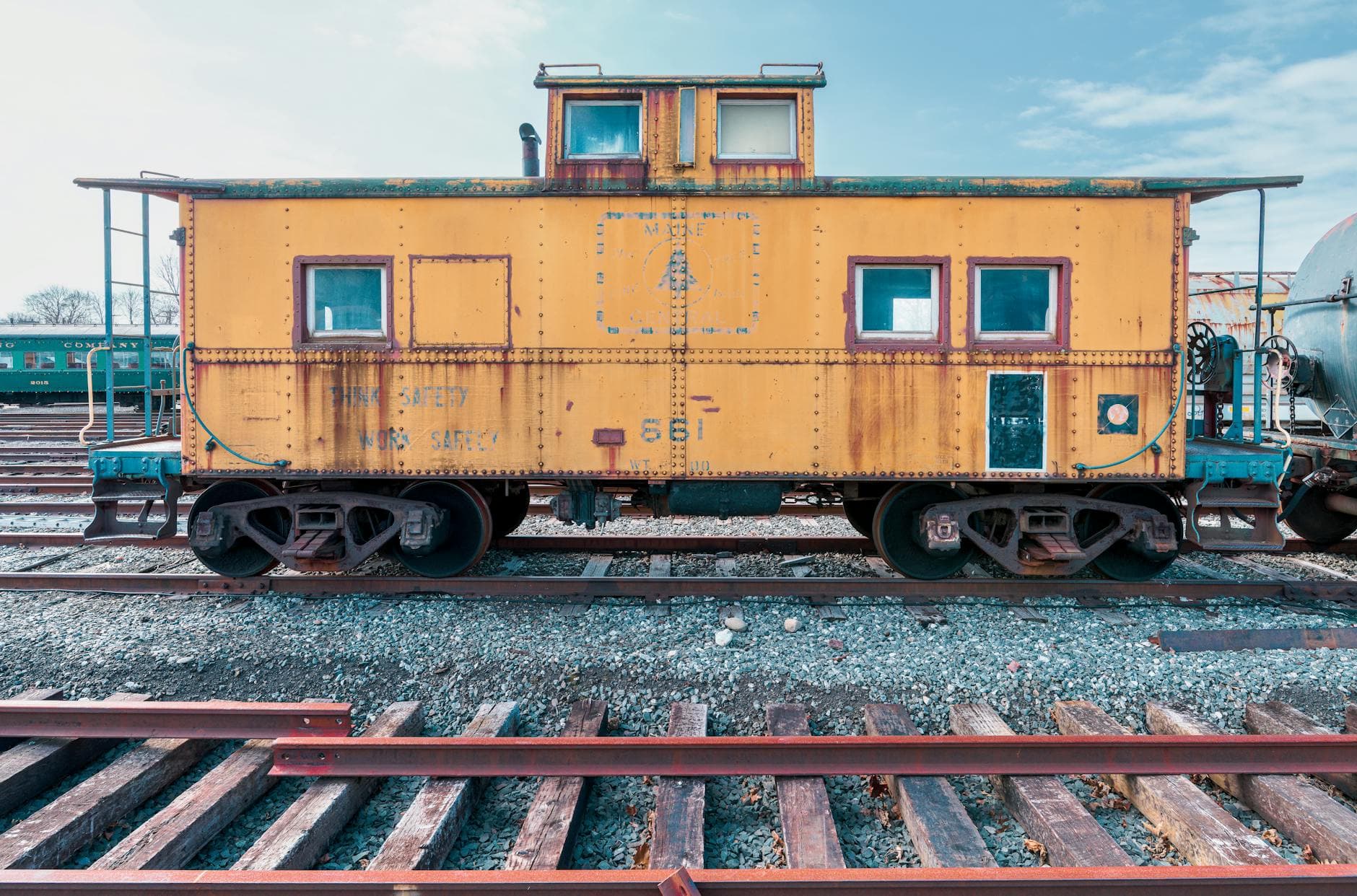
Athearn’s detailing package backs up that role with roadname- and road-number-specific painting and printing, interior seating for crew figures, DCC lighting control, see-through end platforms and steps, etched window screens, flush glazing, wire grab irons, rotating roller-bearing truck caps, axle generator details, body-mounted couplers and full underframe plumbing and brake gear. Retail listings also show Athearn has already used the ICC tooling across cupola and CA-11, C-26 and C-27 variants, which makes this bay-window version part of a broader Genesis caboose family rather than a one-off.
For operators, the added electronics make the caboose feel like a working car at the rear of the train. For collectors, the road-specific lettering, sharp body detail and 80th-anniversary timing carry their own appeal, since Athearn traces its roots to 1946. Either way, the payoff is the same: the train looks finished again, right where the caboose belongs.
This article was produced by Prism’s automated news system from verified source data, official records, and press releases, then run through automated quality and moderation checks before publishing. The system is built and supervised by the people who set the standards it runs under. Read our full AI policy.
Did this article answer your question?