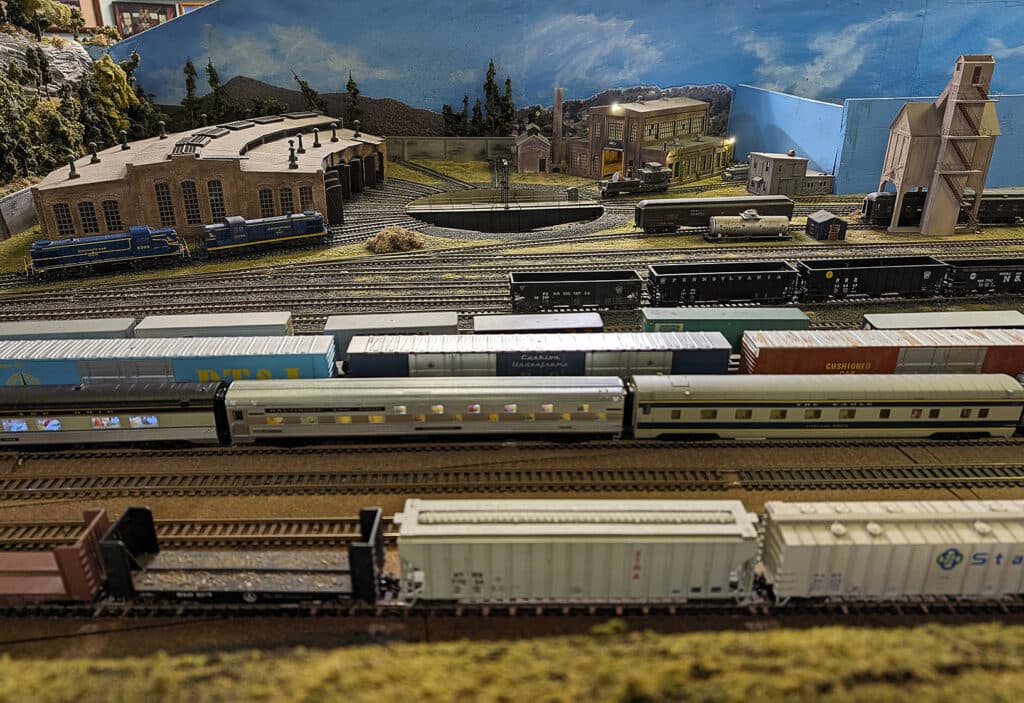
Bowser announces HO scale SD40-2, SD40-3 and SD40-2F diesels
Bowser’s HO SD40-2, SD40-3 and SD40-2F trio gives freight rosters three related six-axle diesels for manifests, rebuild-era scenes and Canadian Pacific power pools.
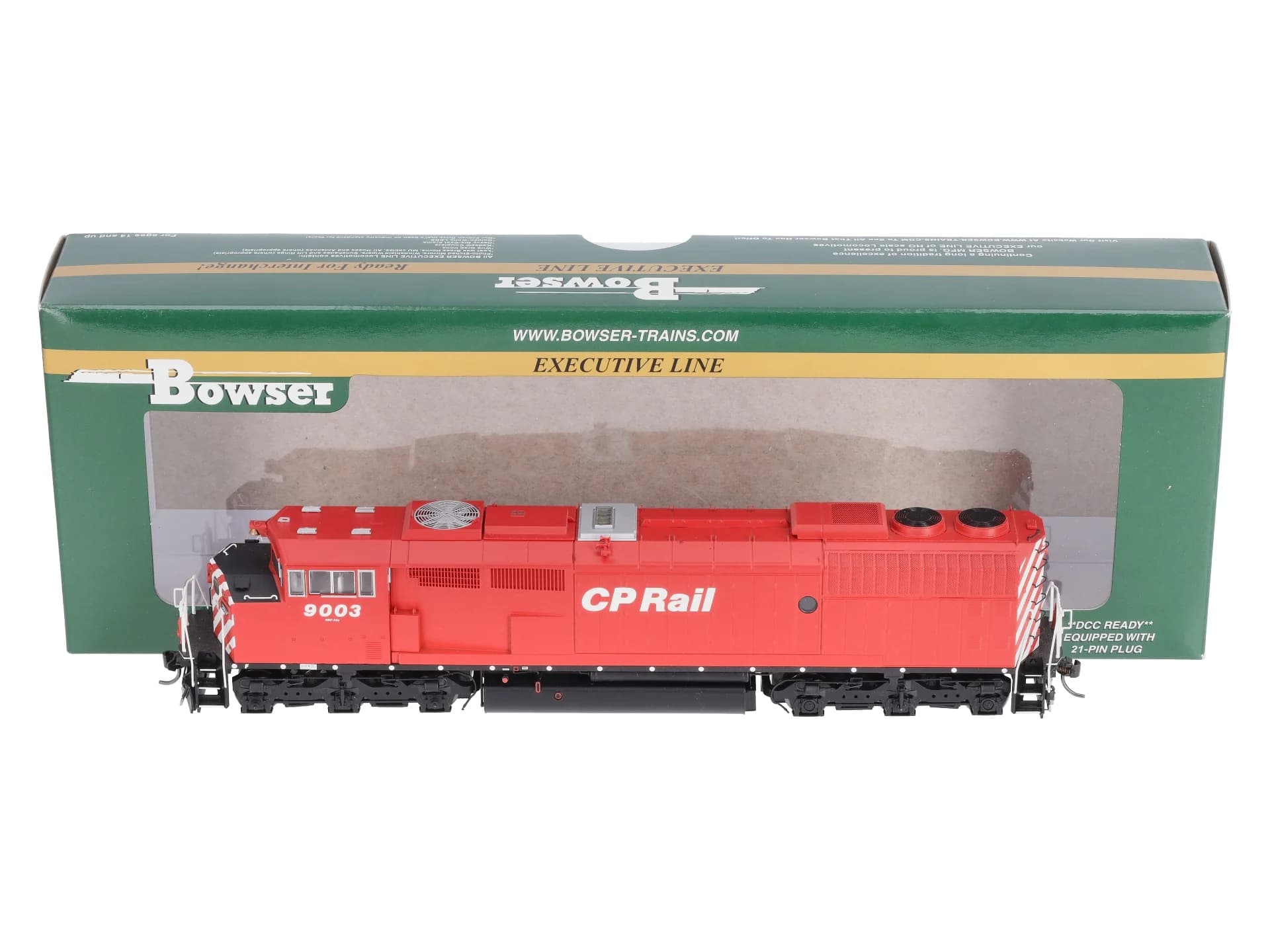
Bowser Manufacturing has put three closely related HO-scale General Motors diesels on the table at once, and the real question is which railroad they fit, not which one is newest. The standard SD40-2, the rebuild-style SD40-3 and the full-width-cab SD40-2F each belong to a different corner of late-20th-century freight practice, yet they can show up together in the same lashup.
The SD40-2 is the anchor of the group. EMD built it from 1972 to 1986, and the six-axle, 16-cylinder, 3,000-horsepower locomotive became one of North American freight railroading’s most useful road units. That makes it an easy fit for heavy manifest trains, coal service, mixed freight and regional assignments where a roster needs dependable, all-purpose power rather than a one-off showpiece.
The SD40-3 tells a later, shop-hardened story. It is generally a rebuild designation for an SD40 or SD40-2 that has been upgraded with microprocessor controls and related modern equipment. On a layout, that makes it the right answer for a railroad that kept older power earning its keep into the rebuilt era, including the kind of consists seen on carriers such as CSX and Kansas City Southern. It reads as a locomotive that has already had one career and is into its second.
The SD40-2F shifts the scene north. General Motors Diesel built the Canadian Pacific version in 1988 and 1989, and prototype discussion identifies the class as CP’s Red Barns, numbered 9000-9024. That gives Bowser’s third model a very specific home: Canadian freight service, especially if the scene calls for a safety-cab profile and a Canadian Pacific power pool that looks immediately recognizable in a lashup.
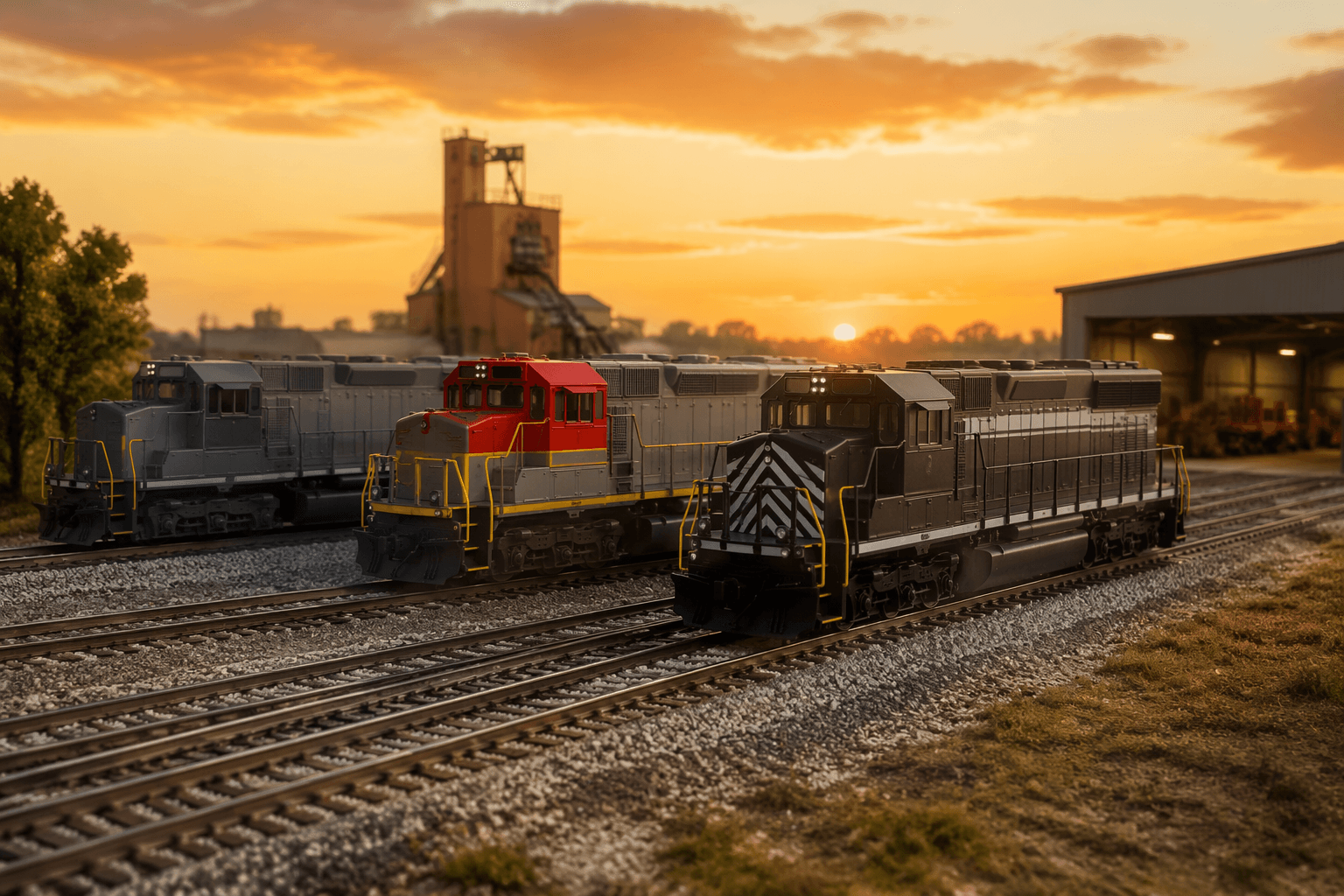
Bowser’s HO GMD SD40-2/SD40-3/SD40-2F documentation leans into that prototype appeal with air hoses, windshield wipers, grab irons, coupler lift bars, an operating headlight, window glass and road-name-specific details. Bowser also says its DCC and sound locomotives use LokSound V5 decoders, and it has separate online history pages for the SD40-2F, signaling a release built for operators who want the details to line up with the roster.
That is why this announcement lands so neatly for freight layouts. A standard SD40-2 works for the long-haul road power era, an SD40-3 fits a rebuilt fleet that stayed in service, and an SD40-2F locks in Canadian Pacific’s distinctive look. Put together, the three models answer the same roster question from three different angles, and that is exactly what makes a believable freight train.
This article was produced by Prism’s automated news system from verified source data, official records, and press releases, then run through automated quality and moderation checks before publishing. The system is built and supervised by the people who set the standards it runs under. Read our full AI policy.
Did this article answer your question?