Dapol launches N gauge Blue Spot Fish Van, celebrating Britain’s rail fish trade
Dapol’s Blue Spot Fish Van turns a humble wagon into fast perishables traffic, with seven N gauge versions due in Q1 2027. It gives layouts a distinctly Grimsby-to-King’s Cross feel.
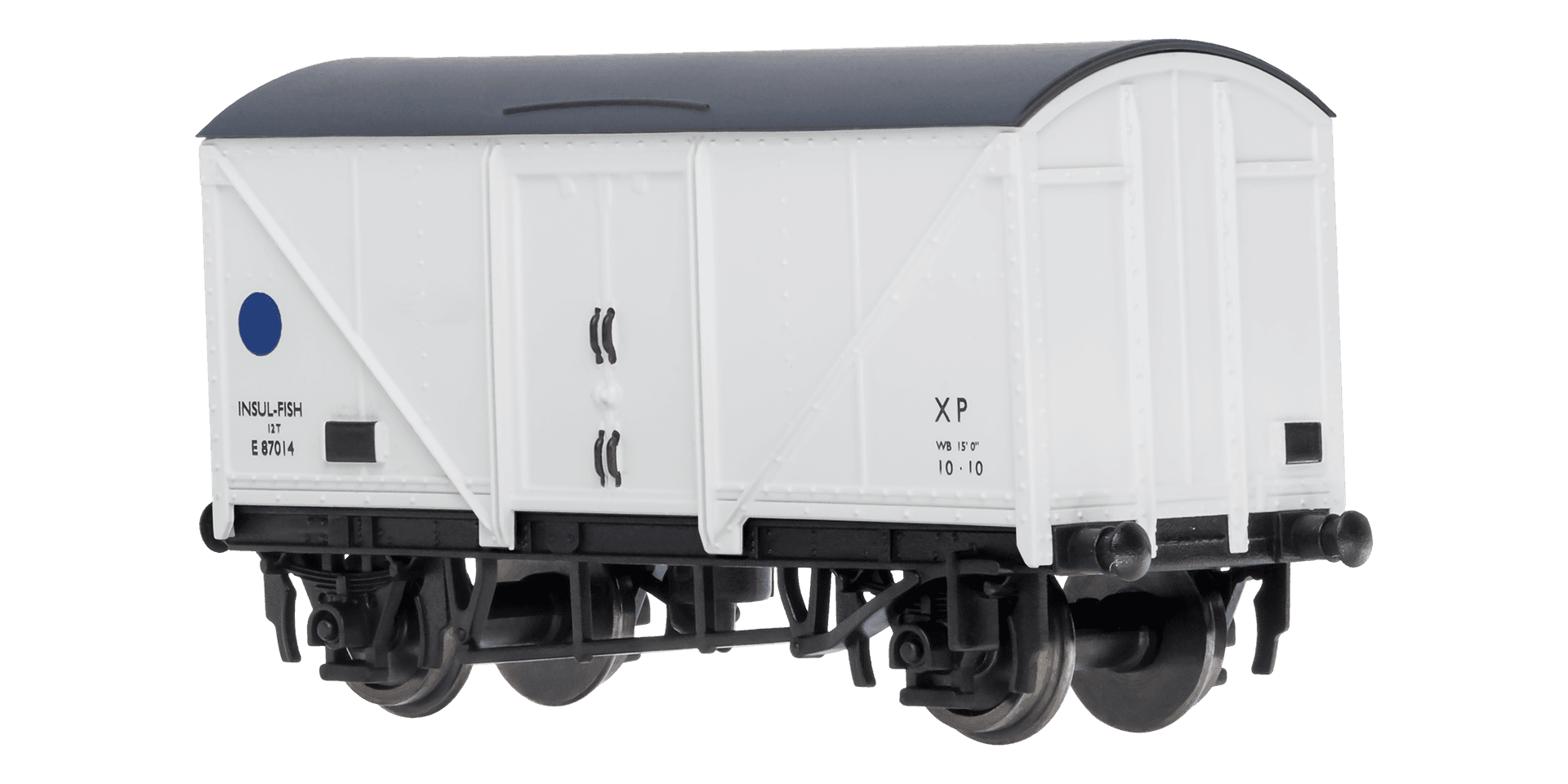
Dapol’s Blue Spot Fish Van is one of those rare N gauge releases that does more than add another wagon to the roster. It gives you a proper reason to run a fast, believable train: fresh fish packed in ice, moving over long distances before refrigerated road transport took over, with Grimsby at the centre of that supply chain.
That is the real appeal here. Dapol has based the model on the British Rail standard fish van, itself derived from a London and North Eastern Railway design, and the story behind it is firmly rooted in the railway geography of the East Coast and Lincolnshire. Grimsby’s fish industry grew alongside the railway network and its specialist fish docks, until the town became the world’s largest fishing port. Those wagons were not scenery fluff; they were part of a time-sensitive freight system that fed markets such as Billingsgate, then the largest fish market in the world.
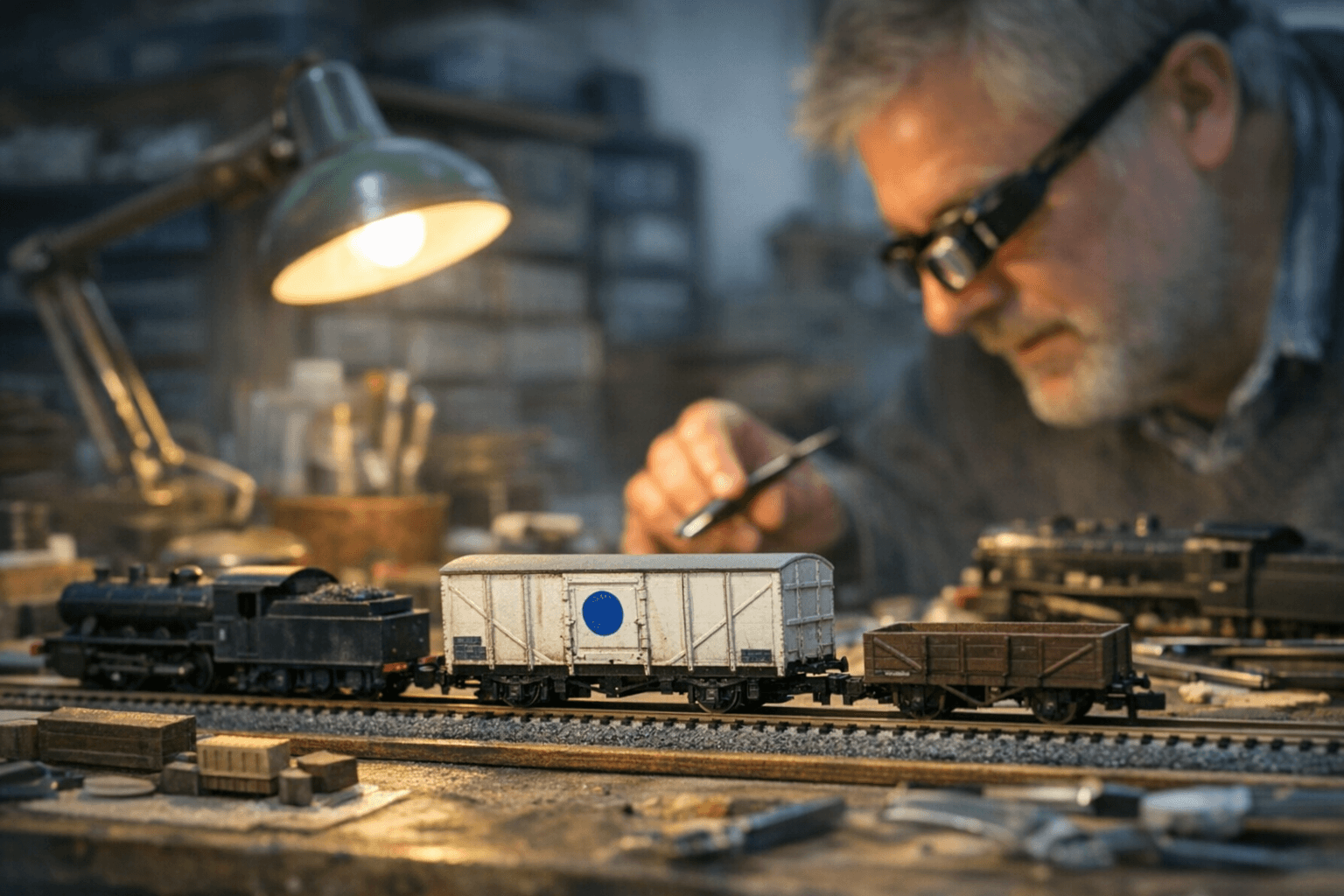
The production story also gives the release weight. Faverdale Wagon Works at Darlington built BR fish vans in multiple batches between 1954-55 and 1961, and one railway reference puts the total at 1,058 vehicles. Several hundred were built there, with the wagons carrying insulated loads of pre-packed ice and fish, and fitted with details such as oleo buffers and LNER-type handbrakes. In service, they were often marshalled in rakes of 10 to 20 behind fast express locomotives, which is exactly the sort of formation that makes an N gauge layout look busy without looking generic.
That matters because the blue spot is not just a repaint gimmick. Some later fish vans carried the blue spot because they were fitted with roller bearings, which opens the door to subtle variation across periods. Dapol’s planned range, reported by retailers as seven versions due in Q1 2027, includes white-liveried examples, a bauxite ex-van, BR rail blue departmental and Express Parcels versions, and a yellow departmental wagon. The decorated samples are already being reviewed, so this is moving well beyond the concept stage.

For layout use, that makes the wagon unusually flexible. A late-1950s or early-1960s East Coast fitted freight can work them hard behind a fast express locomotive, with Grimsby traffic headed inland in a tidy rake of 10 to 20. Move the clock forward past 1968 and the same stock still earns its keep as Express Parcels vans, barrier stock, or departmental vehicles, which is why this release has real operating value. It is a wagon with a story, but more important, it is a wagon that changes the look of a train almost as soon as you couple it up.
This article was produced by Prism’s automated news system from verified source data, official records, and press releases, then run through automated quality and moderation checks before publishing. The system is built and supervised by the people who set the standards it runs under. Read our full AI policy.
Did this article answer your question?