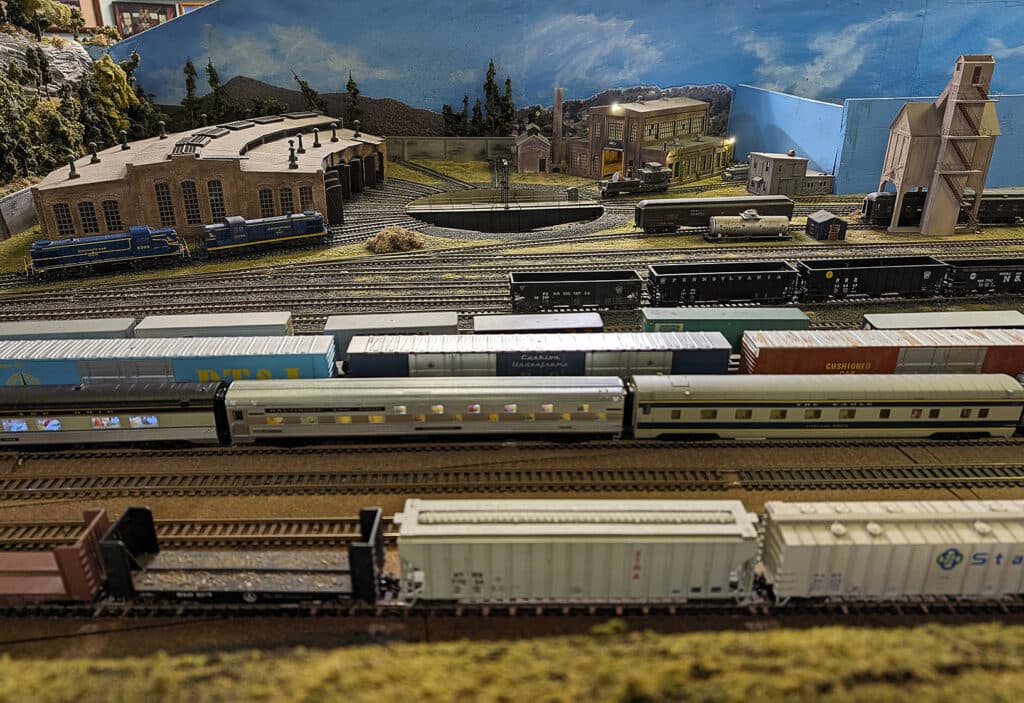
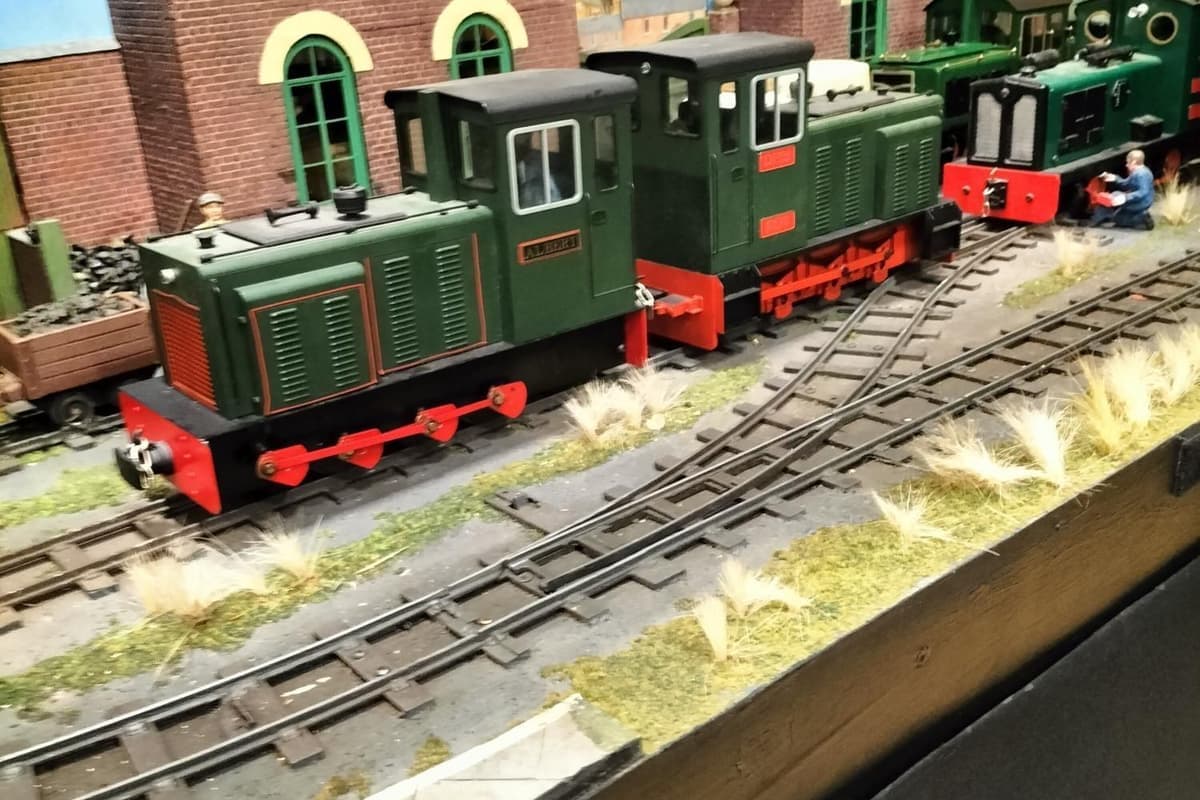
John Allen’s Gorre & Daphetid still shapes model railroad design
John Allen's Gorre & Daphetid still teaches modelers how to make scenery, weathering, and operations work as one railroad.
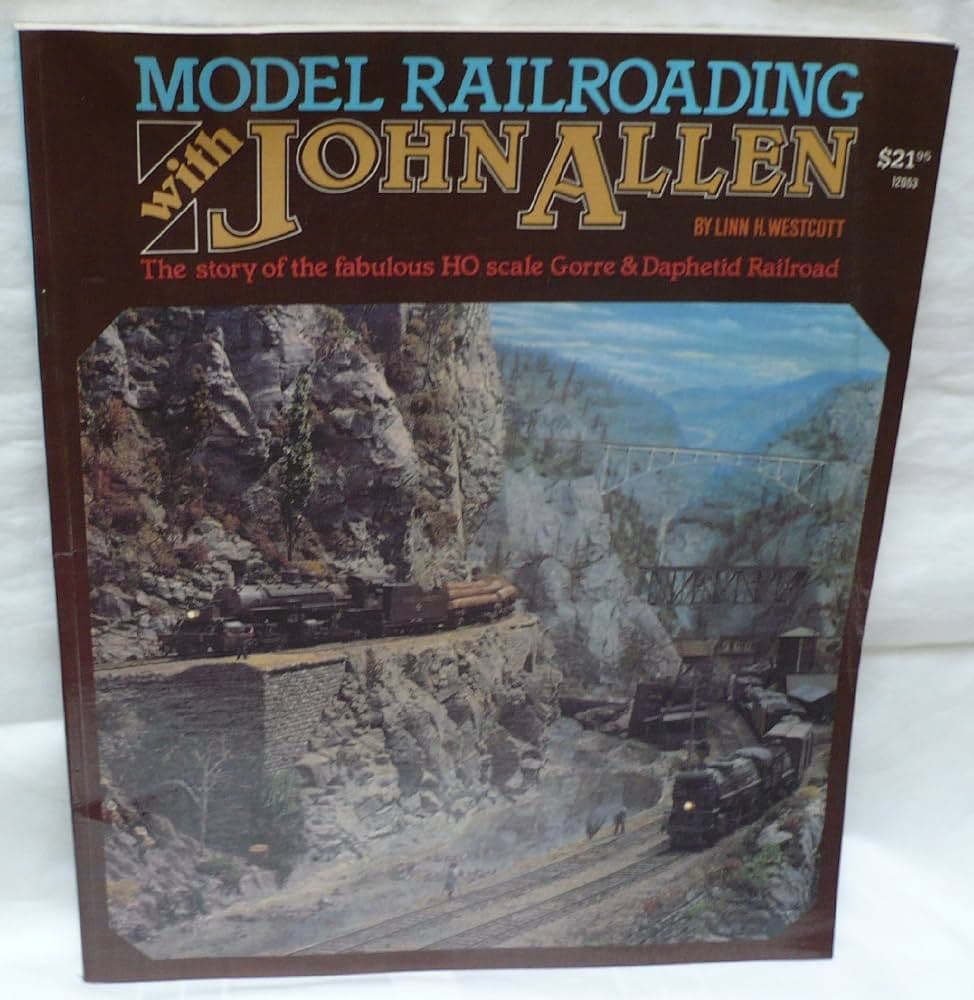
The Gorre & Daphetid was never just a handsome basement empire. John Whitby Allen built it as a railroad world where scenery framed the trains, weathering gave the miles a lived-in look, and operating methods kept the whole thing moving with purpose. That is why the layout still feels less like a relic and more like a blueprint you can steal from.
A layout built to behave like a railroad
Allen, born July 2, 1913, and dead by January 6, 1973, took up model railroading in 1944 and went on to build three successive versions of the G&D in Monterey, California. The National Model Railroad Association lists him as a model railroad author, photographer, clinician, and the builder of the famous HO Gorre & Daphetid, and that mix of roles explains why his work keeps resurfacing in every serious conversation about realism. He was not only building track plans; he was building a way of seeing the hobby.
The reason the G&D still lands so hard is that it was designed to work, not merely to pose. Trains.com calls it decades ahead of its time and points to Allen’s realistic operations, including a tab system for car forwarding. The layout was studied through track plans and an operating schematic, which tells you the railroad was treated as an operating system as much as a scenic display.
Lesson 1: Stage each scene so it advances the railroad
Allen’s scenery did not sit there as decoration. He used it to guide the eye, hide transitions, and make each part of the layout feel like a place with a job to do. Hidden mirrors stretched vistas, smaller-than-scale details forced perspective, and floor-to-ceiling scenery turned ordinary room height into dramatic terrain.
That is the first takeaway for a modern layout: every scene needs a reason to exist beyond pretty photo ops. If a hillside, trestle, yard throat, or town street does not help the viewer understand where the railroad is going, it is only taking up space. Allen’s genius was making the railroad and the scenery cooperate, so a train did not just cross a scene, it completed it.
The same principle explains why his layouts are still studied even after the original was lost in a house fire in January 1973, shortly after his death. The railroad disappeared, but the spatial tricks remained visible in photos, plans, and memories.
Lesson 2: Use weathering and lighting to tell the time of day
Allen’s reputation was not built on clean plastic and shiny railheads. The NMRA’s Hall of Fame material identifies him as a pioneer in model railroad photography and weathering, and those two skills are now central to how the hobby defines realism. He was also a trained artist and professional photographer, which gave him a sharper eye for how surfaces age and how light changes a scene.
His night scenes are especially instructive. Sources credit him with using ultraviolet light and fluorescent paint to create illuminated signs and windows, a trick that let him suggest evening life without overwhelming the layout with raw lighting. Pair that with weathered structures, toned-down rolling stock, and muted ground cover, and the railroad starts to feel like a place with working hours, not just a clean display.
He also made advertising photos for Varney and Pacific Fast Mail, which matters because it shows how comfortably he moved between art and commerce. Allen understood that a model railroad had to survive close inspection, but it also had to photograph well. That balance still matters now, when every layout is expected to look convincing from across the room and through a camera lens.
Lesson 3: Build operations into the scenery, not beside it
The G&D’s operating culture is part of its legend. A 1971 audio clip preserves Allen discussing freight-car operation on the layout and referring to his regular operating crew, which makes the railroad feel alive in a way no static museum display can. The caption identifies one of those operators as Andy Sperandeo, then stationed near Monterey and later a long-time Model Railroader editor.
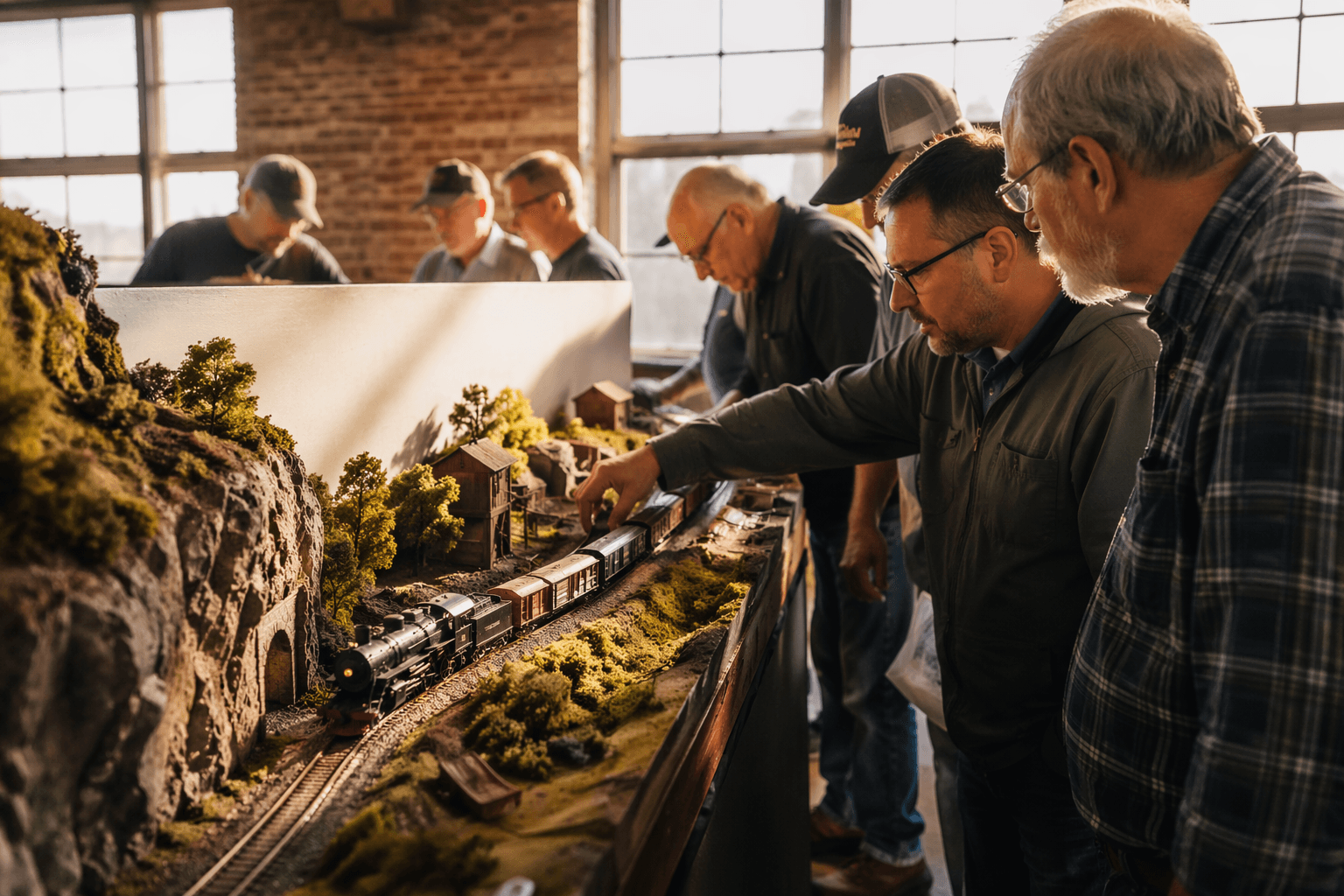
That detail is the key to understanding the G&D as a working model railroad. The scenery was not built first and operations added later. The two were fused from the start, so a siding, interchange, or industry existed because cars had to be sorted, forwarded, spotted, and picked up. Allen’s tab system for car forwarding turned paperwork into railroad motion, and that kind of simple, repeatable logic is still one of the smartest tools a layout can borrow.
If you want the G&D lesson in plain language, it is this: give every industry a reason to receive cars, every branch a reason to exist, and every train a reason to move. The operating plan should not interrupt the scenery. It should be the reason the scenery is there.
Lesson 4: Compose for the camera even when you are building for the room
Allen’s influence on model railroad photography is not a side note. It is one reason his layouts kept traveling farther than the basement walls of Monterey. He knew how to frame a scene so the railroad looked larger than the space it occupied, and the tricks he used were practical, not mystical.
Small foreground details could make bigger background scenes feel distant. Mirrors could suggest a line continuing beyond a visible edge. Night lighting could isolate a building or street and make the rest of the layout vanish into darkness. Those are not just photographic effects; they are layout design tools that let the builder decide what the viewer notices first and what disappears into the background.
That approach still pays off for modern modelers who document layouts online, enter contests, or simply want better photos of their own work. Allen’s method says that composition starts at the benchwork, not after the camera comes out.
A legacy preserved in pieces, plans, and memory
The hobby has kept Allen’s world alive in unusually concrete form. The NMRA Archives now preserve more than 10,000 scans of photographs, slides, plans, drawings, paint schemes, and related material, a paper trail that keeps the G&D from drifting into pure legend. Trains.com also preserves the operating side through track plans, schematics, and the 1971 audio clip, while later remembrances and tribute projects continue to treat the layout as a benchmark rather than a nostalgia piece.
That is the real reason the Gorre & Daphetid still shapes model railroad design. It was built by an artist who understood photography, weathering, and movement as one craft, then proved that scenery could carry a train story instead of sitting apart from it. Even after the fire in January 1973, the layout still points to the same answer: if the scene, the weathering, and the operating plan all pull in the same direction, the railroad feels real before a train ever rolls.
This article was produced by Prism’s automated news system from verified source data, official records, and press releases, then run through automated quality and moderation checks before publishing. The system is built and supervised by the people who set the standards it runs under. Read our full AI policy.
Did this article answer your question?