Kadee releases HO Atlantic Coast Line PS-1 boxcar, in stock now
Kadee’s ACL PS-1 boxcar arrived ready to run at $44.99, giving Southeast freight rosters a fully assembled 1962 car with real layout value.

Kadee’s Atlantic Coast Line PS-1 boxcar was the kind of release that fits a freight roster without needing a lot of explaining. The HO-scale #6423 came fully assembled, roaded as ACL #35144, and landed as a 50-foot car that looks right in the middle of a mid-century mixed freight, not just on a collector shelf.
The prototype context gives the model its weight. Kadee identified the car as a 1962-built example from the 35100-35413 series, with a 9-foot Youngstown black cushion underframe. The body was finished in black with yellow Atlantic Coast Line lettering and logo, and the model carried the extra prototype markings that make a boxcar feel specific instead of generic: “Another Cushioned Load” and “DF Loader.” Kadee also fitted Magne-Matic Scale couplers with delayed centering action, the kind of operating detail that matters when the car is being switched in a yard or tucked into a local.
PWRS listed the car at $44.99 and said it was available now and in stock now, which made this more than a distant catalog tease. Kadee’s own new-products page carried the car as #6423, HO Scale Atlantic Coast Line ACL #35144 RTR 50' PS-1 Boxcar, placing it among the company’s current HO releases. For modelers, that immediacy matters. A boxcar like this can go straight into service on a layout, whether the scene is a busy interchange, a small-town freight house, or a string of cars moving through an industrial district.
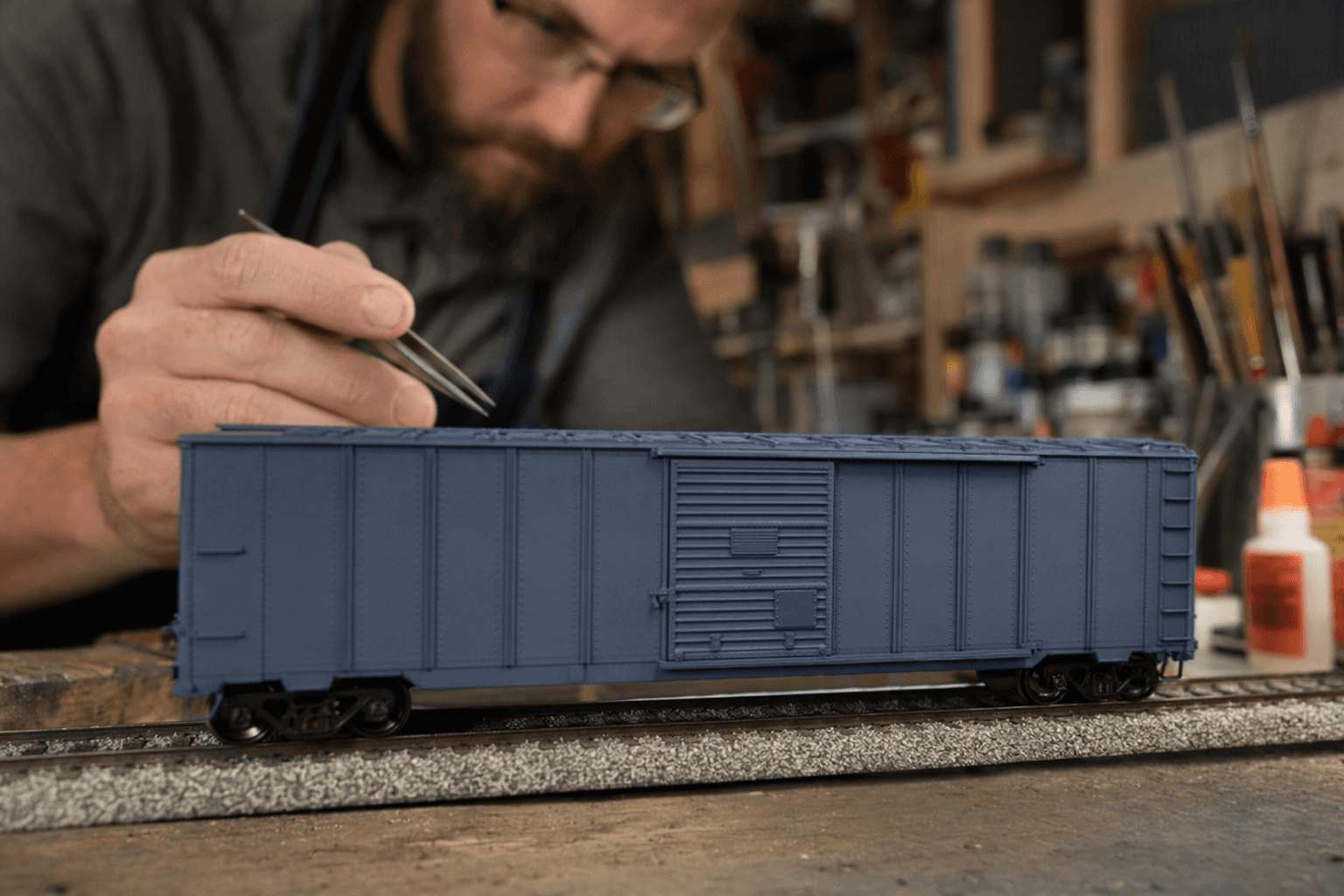
The strongest audience for this release is easy to name: Southeast prototype fans, transition-era operators, and boxcar collectors who build around railroad-specific freight equipment. Atlantic Coast Line reached deep into the southeastern United States, including Virginia and Florida, with important traffic centers around Birmingham, Norfolk, Wilmington, and Charleston. That makes the car a natural fit for trains that need believable ACL interchange traffic, especially if the roster leans toward the 1950s and 1960s.
Kadee has long made its reputation on freight cars that do the job on the rails as well as in the display case, and this one followed that pattern. It was not the loudest announcement in the hobby, but it was the sort of practical, prototype-grounded boxcar that gives a train a railroad name, a specific year, and a place to belong.
This article was produced by Prism’s automated news system from verified source data, official records, and press releases, then run through automated quality and moderation checks before publishing. The system is built and supervised by the people who set the standards it runs under. Read our full AI policy.
Did this article answer your question?