KATO USA Launches N Scale Pioneer Zephyr in Three Versions
KATO USA brought the Pioneer Zephyr back in N scale as a three-version release. The famous CB&Q streamliner now fits collectors, period layouts, and DCC-ready operators.
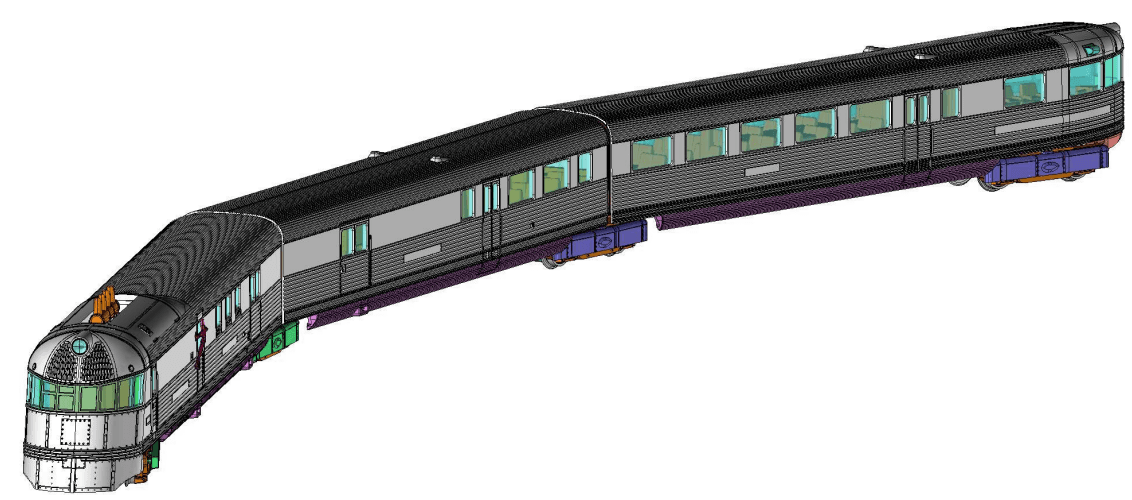
KATO USA added an N scale Pioneer Zephyr on May 1, putting one of American railroading’s most recognizable streamliners back in front of modelers who want instant passenger-train presence in a compact footprint. KATO treated it as a fresh product announcement rather than a simple reissue, and the release came in three versions: standard DC, DCC-fitted, and DCC-sound.
That matters because the prototype carried more than good looks. The Chicago, Burlington and Quincy Railroad introduced the 1934 train during the Great Depression, when passenger numbers were slipping and road transport was growing more attractive. The Budd Company helped create the sleek diesel-powered consist, and the result looked like the future the moment it appeared. In N scale, that same profile gives a layout a strong visual anchor without demanding a long train or a large terminal scene.

The Zephyr’s fame was sealed on May 26, 1934, when it completed a nonstop run between Denver and Chicago in just over 13 hours. That record run turned the train into a named icon rather than just another streamlined set, which explains why the model has built-in appeal for collectors and for operators who want a period passenger train with instant recognition. A Pioneer Zephyr on a shelf reads as a centerpiece; on a layout, it reads as a statement piece.
The surviving train is preserved at the Museum of Science and Industry, and KATO’s model reflected its current appearance. That gives the release extra value for modelers chasing a specific prototype era, especially anyone building around prewar passenger service or a museum-line roster. The three versions also widen the use case across the N scale market, from simple DC layouts to sound-equipped showcases. For a train this famous, that flexibility is the real story: one of the most photogenic streamliners in North American history is now available in a form that can work as a collector prize, a period-layout anchor, or an accessible way to add a legendary passenger train to a modern roster.
This article was produced by Prism’s automated news system from verified source data, official records, and press releases, then run through automated quality and moderation checks before publishing. The system is built and supervised by the people who set the standards it runs under. Read our full AI policy.
Did this article answer your question?