Rapido brings HO-scale Bombardier LRC diesel to VIA, Amtrak modelers
Rapido's HO Bombardier LRC landed with VIA, Amtrak, and Bombardier Transportation schemes, while Tangent unveiled the first-ever HO NACC 1963 tank car.
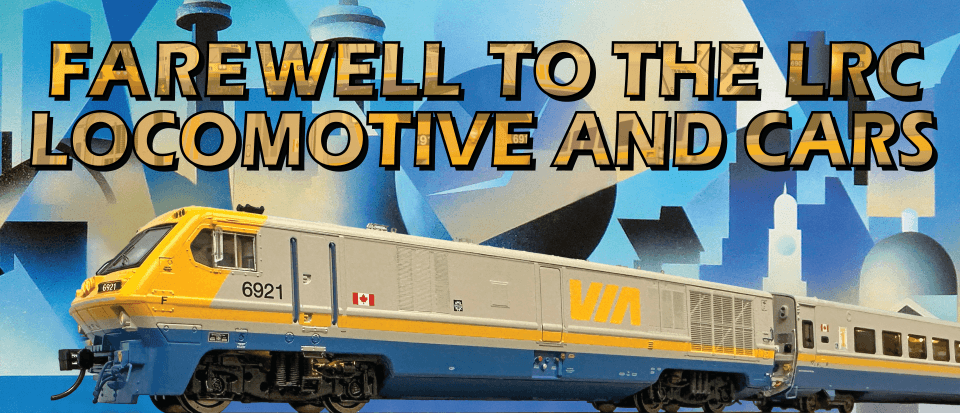
Rapido Trains Inc.'s HO Bombardier LRC diesel and Tangent Scale Models' HO NACC 1963 tank car led a product week built for modelers who buy with a roster plan in mind. Rapido also kept its bi-level commuter cars in the conversation, giving operators and collectors three very different reasons to pay attention at once.
The LRC is the headline piece. Rapido priced the non-sound version at $249.95 and the ESU LokSound version at $359.95, and the model goes well beyond a simple cosmetic update. The locomotive is packed with etched-metal grills and radiator fan detail, a full cab interior, improved body-shell tooling, metal couplers, refined wheel-face profiles, a MoPower capacitor system, new speakers with stronger bass, and separate grab irons, handrails, and lift rings. Rapido is offering VIA Rail, Amtrak, and Bombardier Transportation road names, which gives the release reach on both sides of the border.
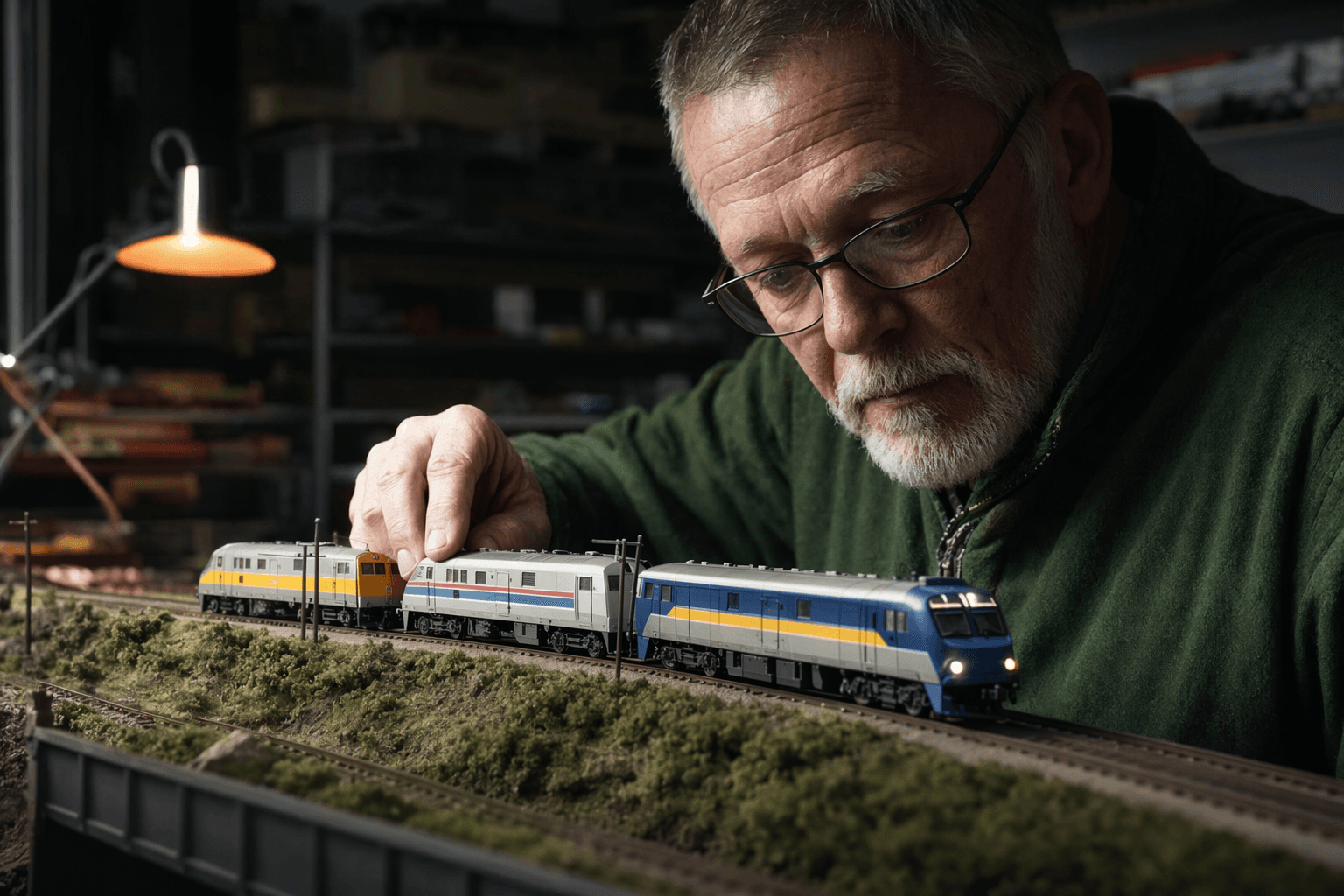
That breadth fits the prototype story. LRC stands for Light, Rapid, Comfortable, and Rapido is tying the model to the retirement of the real passenger-car fleet after 45 years of service. The prototype locomotive used a 3,750-hp Alco 251F prime mover and two 250 kW Stamford alternators for head-end power, details that explain why the model has been framed as a small but powerful piece of passenger-rail history. Rapido’s prototype image of VIA 6919 at Bayview Junction in 1991 also nails the era for anyone building a late-1970s through 1990s passenger scene.
Tangent Scale Models brings a different kind of gap-filler to the market with its North American Car Corporation 1963-design 20,500-gallon non-insulated tank car, Class ICC-111A-100-W-1, priced at $69.95. Tangent says the prototype had never previously been produced in brass or plastic, which makes this the first commercially available scale model of the design. The car includes 100-ton Barber S-2 trucks, CNC-machined 36-inch wheelsets, see-through rooftop walkways and end platforms, separately applied tank straps, and Kadee scale couplers, all of which make it a strong candidate for interchange consists from the 1960s through the late 20th century. Tangent released the model on March 20, 2026.
Rapido’s bi-level commuter cars round out the picture with single coach, single cab, and three-pack options, plus schemes aimed at service from the mid-1970s to the present depending on roadname. The cars bring constant interior lighting in both DC and DCC, controllable cab-car lighting, tinted glazing, and inside-bearing trucks with roller-bearing axles and metal wheelsets. With CEM, or crash energy management, built into the commuter-car conversation, the release points straight at modern commuter layouts from GO Transit to West Coast Express without losing sight of the operating details that make those trains feel alive.
This article was produced by Prism’s automated news system from verified source data, official records, and press releases, then run through automated quality and moderation checks before publishing. The system is built and supervised by the people who set the standards it runs under. Read our full AI policy.
Did this article answer your question?