Rapido’s Andrew Barclay Caledonia fireless locomotive reaches OO-gauge review stage
Rapido’s first ready-to-run OO-gauge British fireless locomotive turns a hard-to-model industrial oddity into a shunter collectors can actually use.
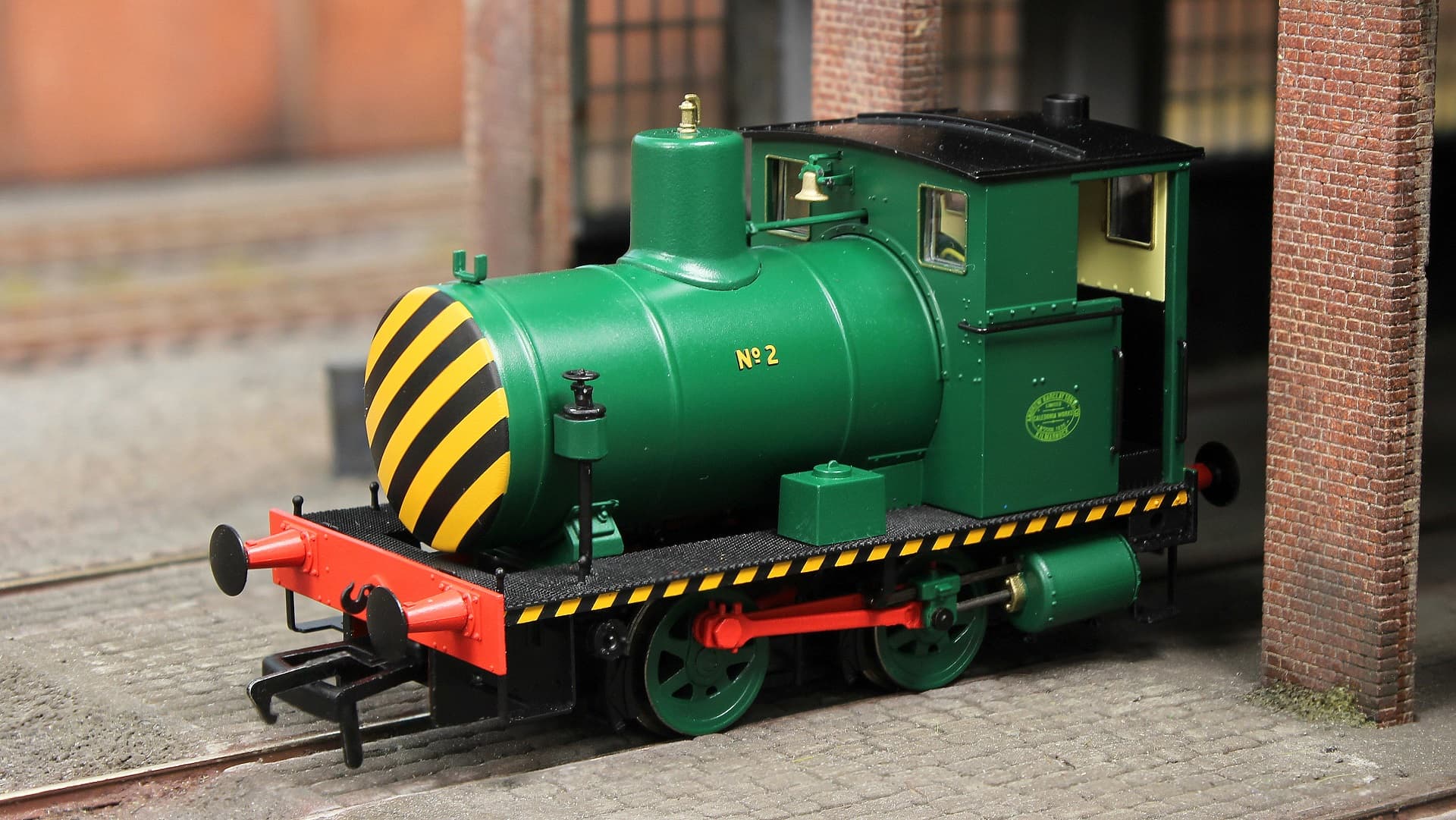
Rapido has picked one of the strangest steam-era specialists for its latest OO-gauge release: the Andrew Barclay Caledonia fireless, a locomotive built for places where an open flame was a liability. That alone makes it stand out. Instead of another branch-line 0-6-0 or a familiar diesel, Rapido has gone straight at a prototype that lived in chemical plants, military depots and other high-risk industrial sites, and Ben Church’s review puts the model firmly into the hands of readers as a real product rather than a teaser.
The appeal is obvious for anyone who models shunting work or cramped industrial scenes. Fireless locomotives did not carry a normal firebox-fired boiler. They were charged with steam from an external source, then went about their jobs in the same low-speed, short-haul way as a conventional tank engine. Rapido’s model takes that oddball niche seriously, offering the first ready-to-run British fireless locomotive in OO gauge and opening up a slice of railway history that has been under-served in ready-to-run form for years.
Rapido is treating the Caledonia as a proper family, not a one-off curiosity. The range includes Shell Mex, Croda Chemicals, Bowaters at Ellesmere Port, Boots No. 2, Doon Valley Railway, Gloucester Corporation, CEGB and a G. Fawkes version. That matters on a layout because it gives builders multiple ways to justify a fireless engine without stretching credibility. A refinery, paper mill, municipal works, chemical site or preserved railway scene can all gain a believable little shunter with a very specific job to do.
The model itself is pitched as a premium release, with die-cast metal and injection-moulded plastic construction, a high-quality motor and mechanism, an E24 decoder socket, separately fitted detail parts, and optional user-fitted cab window shutters, doors and lamps. Retail pricing has been listed at £139.95 for the DCC-ready version and £249.95 for the DCC sound version, which puts it squarely in the serious-collector bracket rather than impulse-buy territory.
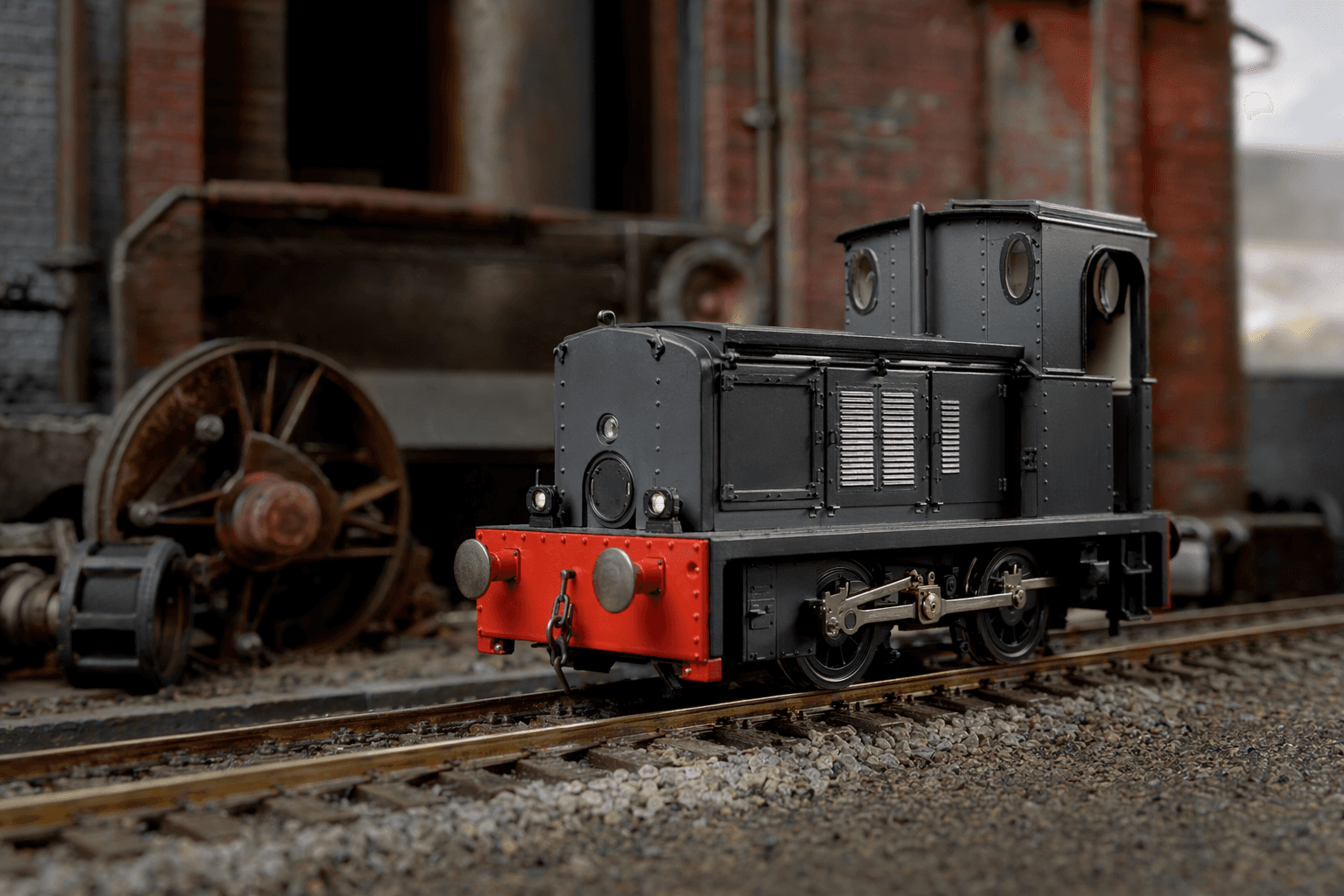
The prototype story is just as strong. Works No. 1952 was built by Andrew Barclay and delivered new to Shell Mex Ltd at Ardrossan in March 1928 as No. 8. One source says it was the last steam locomotive regularly used in industry in Scotland until 1981, after which it was donated to the Ayrshire Railway Preservation Group. It later returned to steam in preservation and is now associated with the Doon Valley Railway and Scottish Industrial Railway Centre. Andrew Barclay built 114 fireless locomotives between 1913 and 1961, so this was never a freak one-off.
That mix of rarity, industrial credibility and ready-to-run convenience is what makes the Caledonia compelling. It is the sort of locomotive that broadens the steam-era scene beyond main-line comfort, and for OO-gauge modelers who want their layout to look like a place with a job to do, Rapido has given them a very usable one.
This article was produced by Prism’s automated news system from verified source data, official records, and press releases, then run through automated quality and moderation checks before publishing. The system is built and supervised by the people who set the standards it runs under. Read our full AI policy.
Did this article answer your question?