Austin mushroom society explores fungi through folklore and art
Austin foragers got a reminder that mushroom lore can teach, but it can also mislead, as CTMS turned a library session into a hands-on story craft.

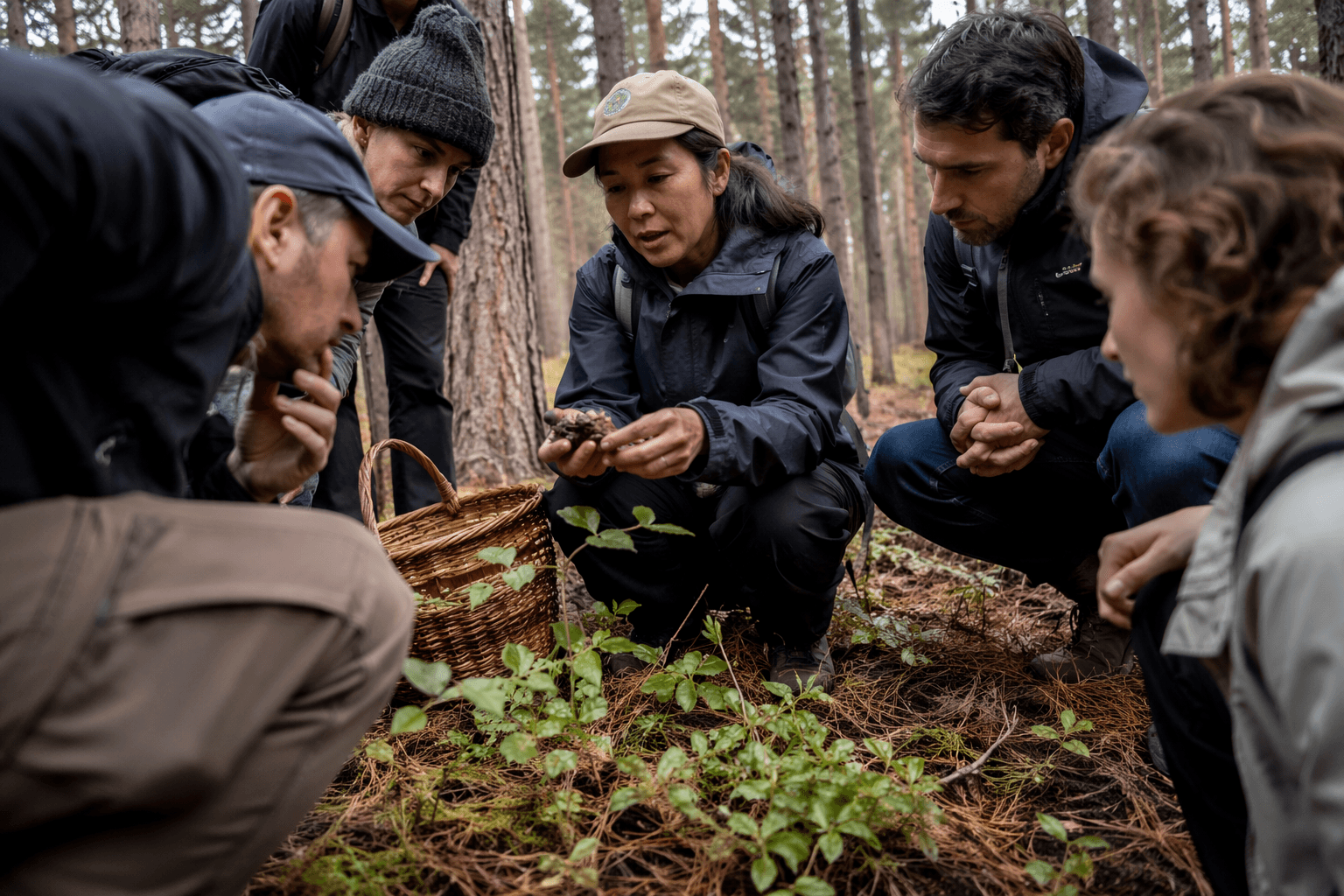
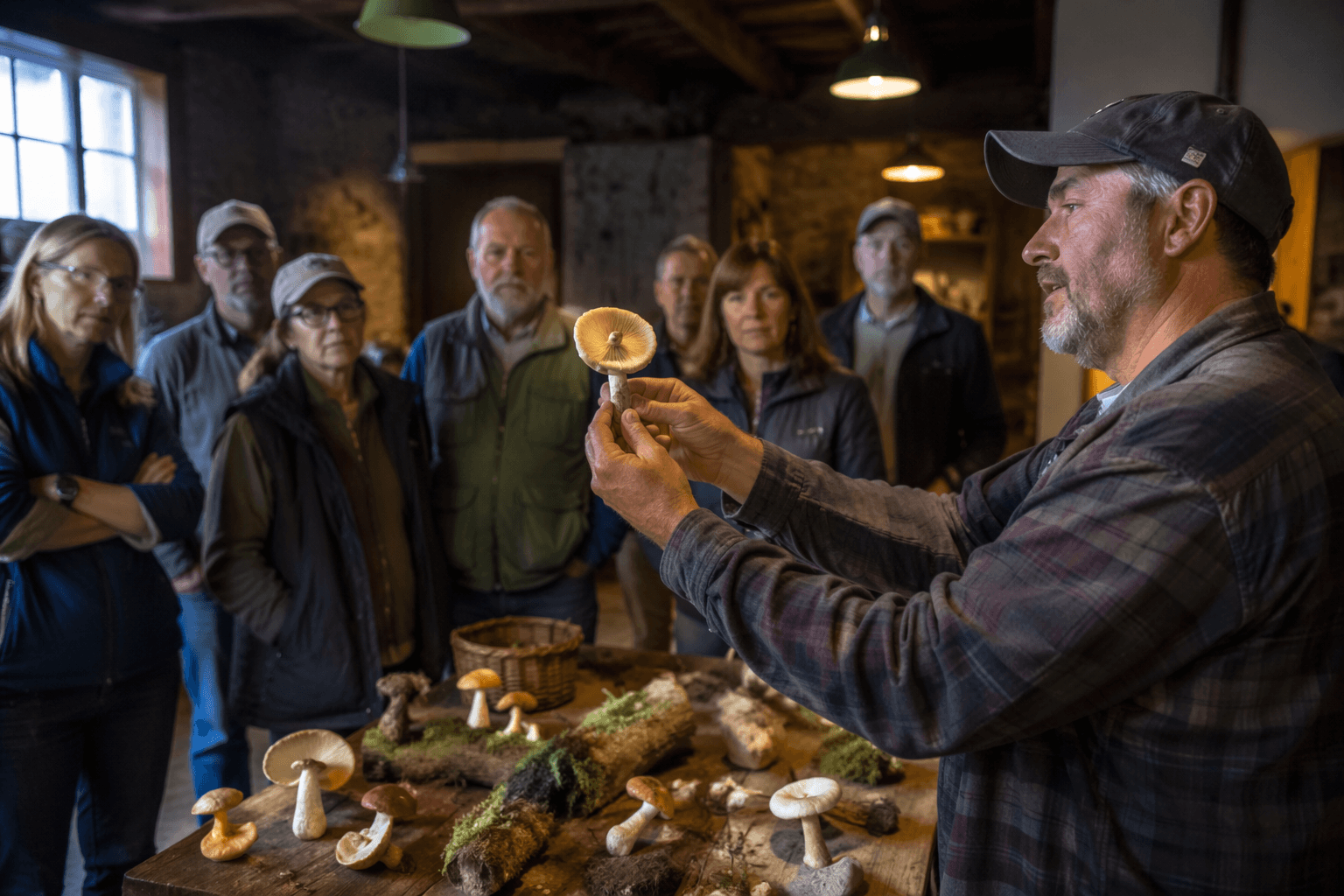
At Hampton Branch at Oak Hill Public Library, Central Texas Mycological Society turned a mushroom program into something closer to a storytelling workshop than a field clinic. "Spore Stories," held Wednesday, June 17, 2026, from 2:00 p.m. to 3:00 p.m. at 5125 Convict Hill Road, asked people to listen, learn, write and craft, then sent them home with a handmade "Story Spore." Free, public, and built around folklore as much as fungi, it offered a neat reminder for foragers: mushroom judgment gets sharper when story leads to observation, but it goes wrong fast when story is mistaken for proof.
Folklore as a doorway, not a shortcut
The Austin session was an interactive look at how fungi have inspired myths and modern tales around the world, and that framing matters in a hobby where lore travels almost as fast as field photos. Andrea Julian led the program, which CTMS described as a deep dive into the relationship between fungi, myth, nature and art. For mushroom people, that mix can be a powerful on-ramp, especially for newcomers who are not yet ready for identification clinics or guided forays but are curious enough to learn the language around mushrooms.
That is where folklore does its best work. It pulls people toward the subject, gives them memorable names and images, and makes fungi feel culturally alive rather than just edible or poisonous. But the same stories can become a trap if they are treated like rules in the woods. A tale may point a beginner toward attention, but it cannot replace the work of checking species, habitat, season and morphology in the field.
What the library program actually offered
The Austin Public Library listing made clear that "Spore Stories" was designed as a public event, not an inside-baseball club meeting. It was free and open to the public, and the library noted that some summer programs use first-come, first-served tickets because space is limited. The listing also included a phone number for accessibility accommodations, 512-974-7400, a practical detail that signals the event was meant to welcome a broad audience rather than only seasoned mycologists.
The hands-on piece mattered too. Participants created their own "Story Spore" to take home, which turned the program into something tactile and memorable. That kind of make-and-take activity helps explain why mushroom culture is stretching beyond harvest talk and into art, writing and civic learning. It also gives the hobby a softer entry point, one that lets curiosity bloom before anyone starts debating spore prints, lookalikes or the finer points of field ID.
Why CTMS is building its presence through public education
Central Texas Mycological Society describes itself as a member-supported, volunteer-run group of united Central Texans dedicated to working with fungi. The organization also emphasizes that fungi are foundational species for nearly all terrestrial life on Earth, a reminder that the group’s work reaches far beyond the dinner table. That bigger ecological view explains why CTMS can move comfortably between conservation, research, public talks and creative programming without losing its identity.
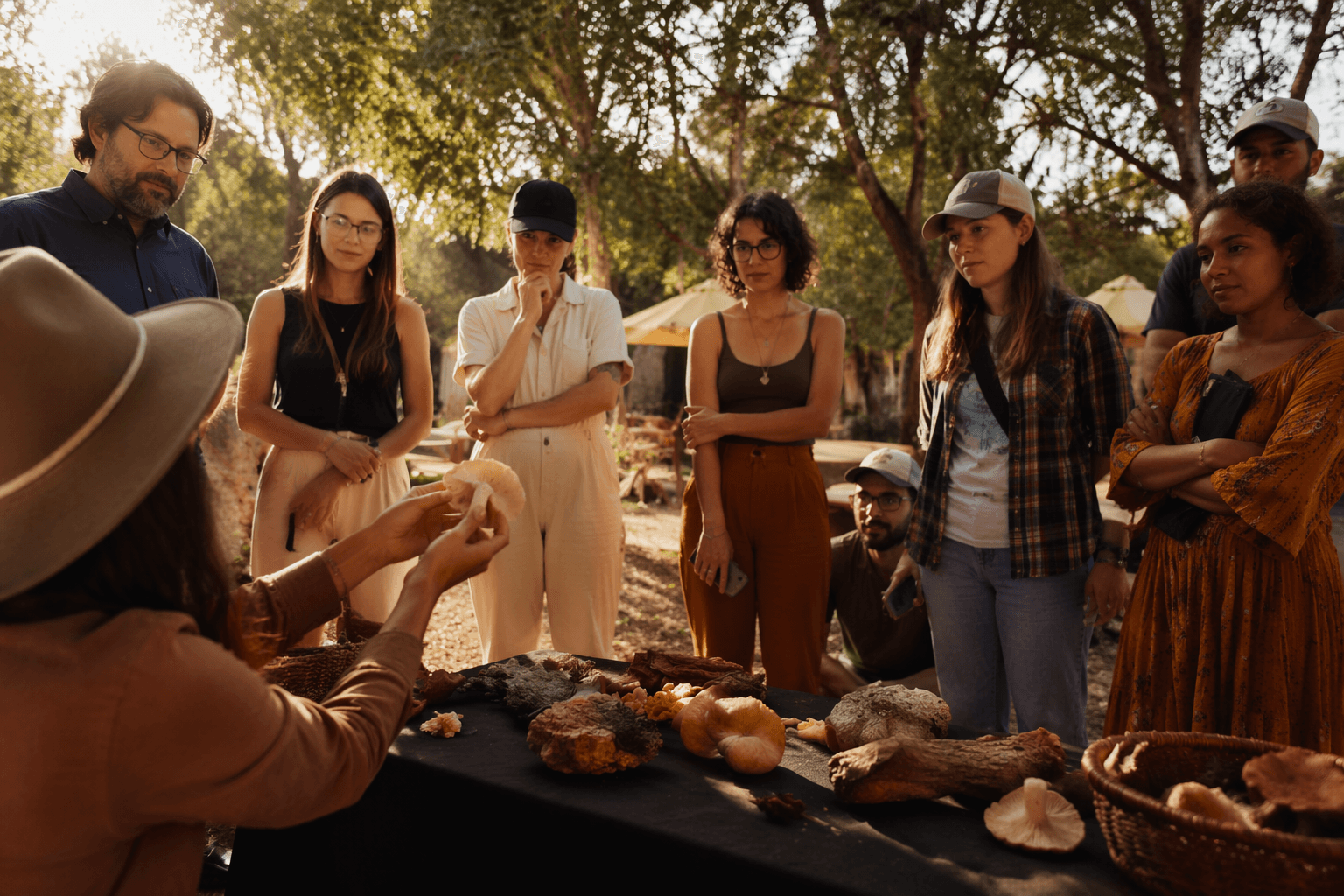
The society is still relatively young. A Fungimag history piece says the Austin, San Antonio and San Marcos effort that became CTMS began in 2019, and that the Texas star mushroom was chosen early as the group’s logo. That origin story fits the current shape of the society well: rooted in Central Texas, public-facing, and built to make fungi legible to people who may know them first through stories, not specimens.
Austin’s mushroom scene is getting louder
"Spore Stories" was not a one-off flourish. Austin Public Library also scheduled another CTMS adult program, "Fungi Through Deep Time," for June 23 at Carver Branch, reinforcing the idea that the library system has become a steady outreach platform for the society. For a hobby that often lives in woods, kitchens and online groups, the move into branches and adult learning calendars widens the doorway dramatically.
The city’s larger mushroom moment is easy to see in the 4th Annual Texas Mushroom Conference, which wrapped up in Austin in April 2026 and drew hundreds of attendees to the University of Texas campus. KVUE reported that organizers were seeing growing interest in fungi, including uses in food and the environment, while The Austin Chronicle described a crowd that brought together researchers, growers, artists and other enthusiasts from across the United States and Mexico. That range matters because it shows how fungi have become a cross-disciplinary topic in Central Texas, not just a narrow hobby interest.
How to read mushroom folklore without losing your footing
The best way to use folklore in the field is to treat it as memory, not as a field guide. Stories can sharpen attention to place, prompt better questions and help you remember what you saw, but they should never override direct observation. In practice, that means a tale can spark your curiosity, while your actual judgment still has to come from the specimen in front of you and the habitat around it.
Austin’s June 17 library session captured that balance beautifully. The myths, the art, the craft table and the "Story Spore" all made fungi feel larger than a checklist of edibles and lookalikes. And that is the real lesson for mushroom hunters: the oldest stories around fungi may help you notice more, but only careful looking keeps those stories from sending you astray.
This article was produced by Prism’s automated news system from verified source data, official records, and press releases, then run through automated quality and moderation checks before publishing. The system is built and supervised by the people who set the standards it runs under. Read our full AI policy.
Did this article answer your question?