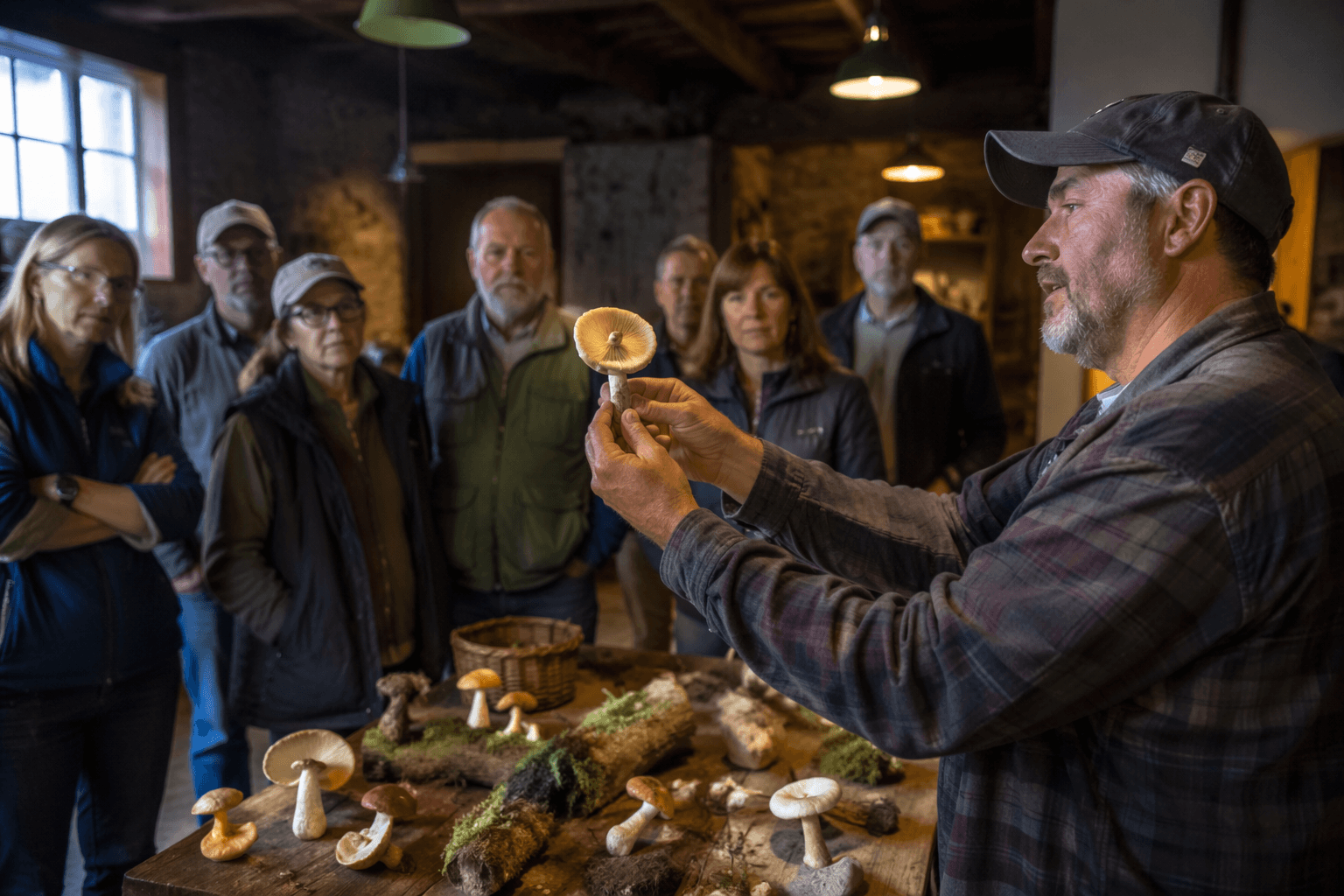
Colorado chefs join mushroom foraging season in Arapaho National Forest
Colorado chefs came up nearly empty on their first hunt, but Melissa An used the outing to teach permits, habitat reading, and how to spot wild mushrooms in a dry season.
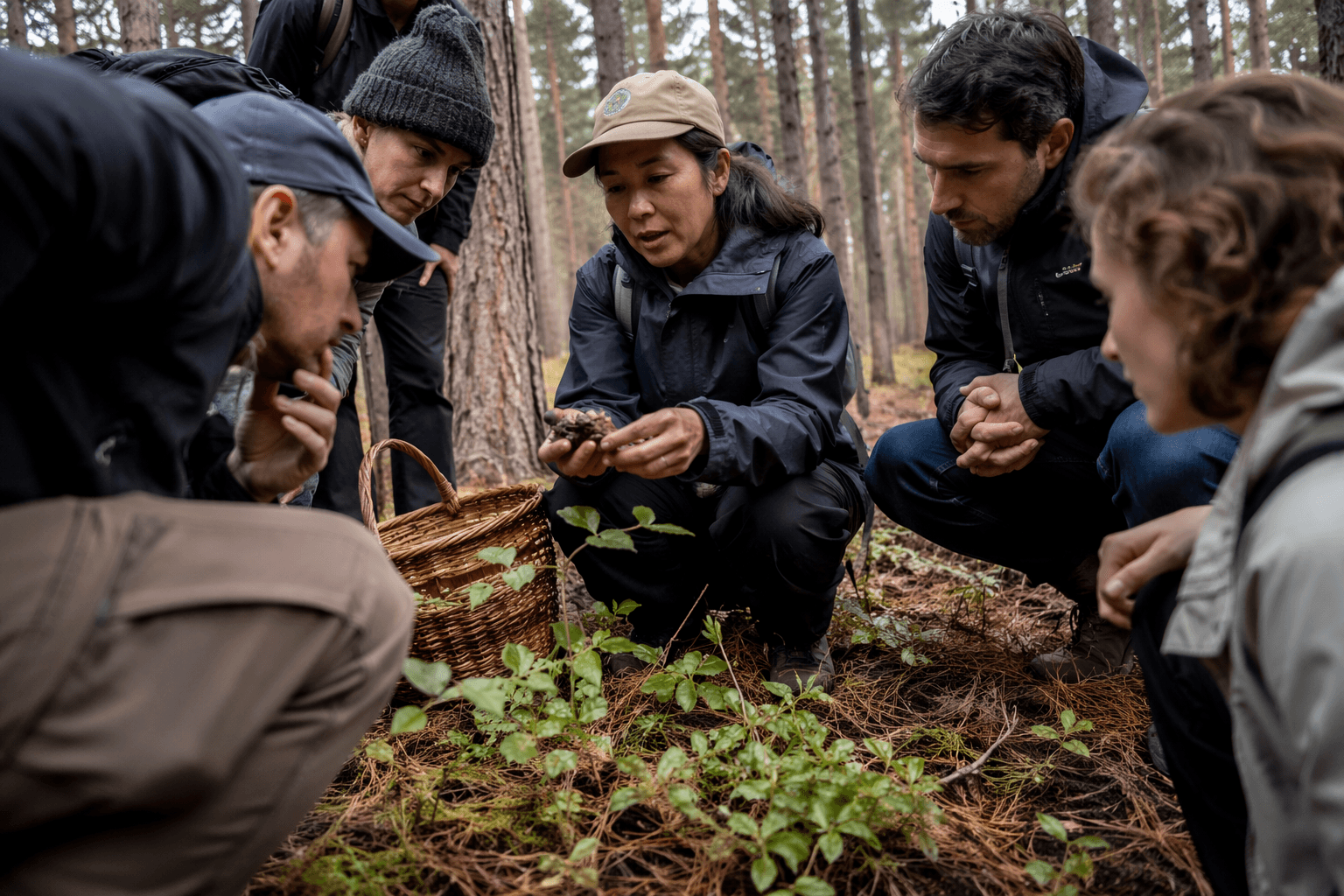
Colorado chefs spent their first mushroom-hunting outing in Arapaho National Forest with guide Melissa An and came back with only a few finds after walking about two miles. The season had opened across Colorado, where mushroom hunting usually starts in late spring and runs through September and October, with the strongest flushes in July and August.
The outing unfolded inside a bigger public-land system. The U.S. Forest Service says the Arapaho and Roosevelt National Forests and Pawnee National Grassland cover about 1.5 million acres across five districts, and a permit is required before harvesting mushrooms there except for small amounts gathered as incidental use. The agency groups wild edible mushrooms with other non-timber forest products that carry local and regional economic and cultural value.
For the chefs, the trip was part curiosity, part culinary scouting. One chef said the cultivated mushrooms he buys do not taste the same as the wild ones he hopes to cook. Melissa An, who said she has been foraging since childhood, spent much of the outing acting as both guide and translator, helping the group understand which species were edible, which were dangerous, and what the forest was signaling through its trees, moisture and elevation.
That reading matters in Colorado, where foragers watch rain forecasts, social media groups, tree species, temperature and moisture before heading out. Even in a forest known for prized edibles such as porcini, chanterelles, morels, matsutake and puffballs, dry conditions can leave a basket light. This group found an artist’s conk on a dead tree, which An identified and described as useful in its own right, but the day underscored how quickly a season can turn sparse when the ground stays dry.
The interest has surged far beyond a handful of old hands. Rocky Mountain PBS previously reported that the Colorado Mycological Society grew from 150 members in 2019 to 20,000 in 2020, a jump its president, Jon Sommer, called a “perfect storm” for recreational mushroom foraging in Colorado. The society is also working on a book about about 70 edible species in the state, while its guide to Mushrooms of the Rocky Mountain Region says Vera Stucky Evenson’s book covers more than 220 species.
The safety message traveled with the foraging lesson. Poison Control says suspected poisoning should be treated immediately and gives the national hotline, 1-800-222-1222, and the Centers for Disease Control and Prevention reported 180 cases in 34 states tied to Diamond Shruumz or other mushroom-containing chocolate products in 2024. By the time the chefs left Arapaho National Forest with little more than a few fungi and one artist’s conk, the first lesson was clear: in Colorado, the season opens with restraint, not certainty.
This article was produced by Prism’s automated news system from verified source data, official records, and press releases, then run through automated quality and moderation checks before publishing. The system is built and supervised by the people who set the standards it runs under. Read our full AI policy.
Did this article answer your question?