California mushroom poisonings kill four, prompt CDC foraging warning
Four deaths, three liver transplants and 39 Northern California poisonings turned a mushroom forage into a deadly Amanita lesson. The CDC called it the largest in decades.
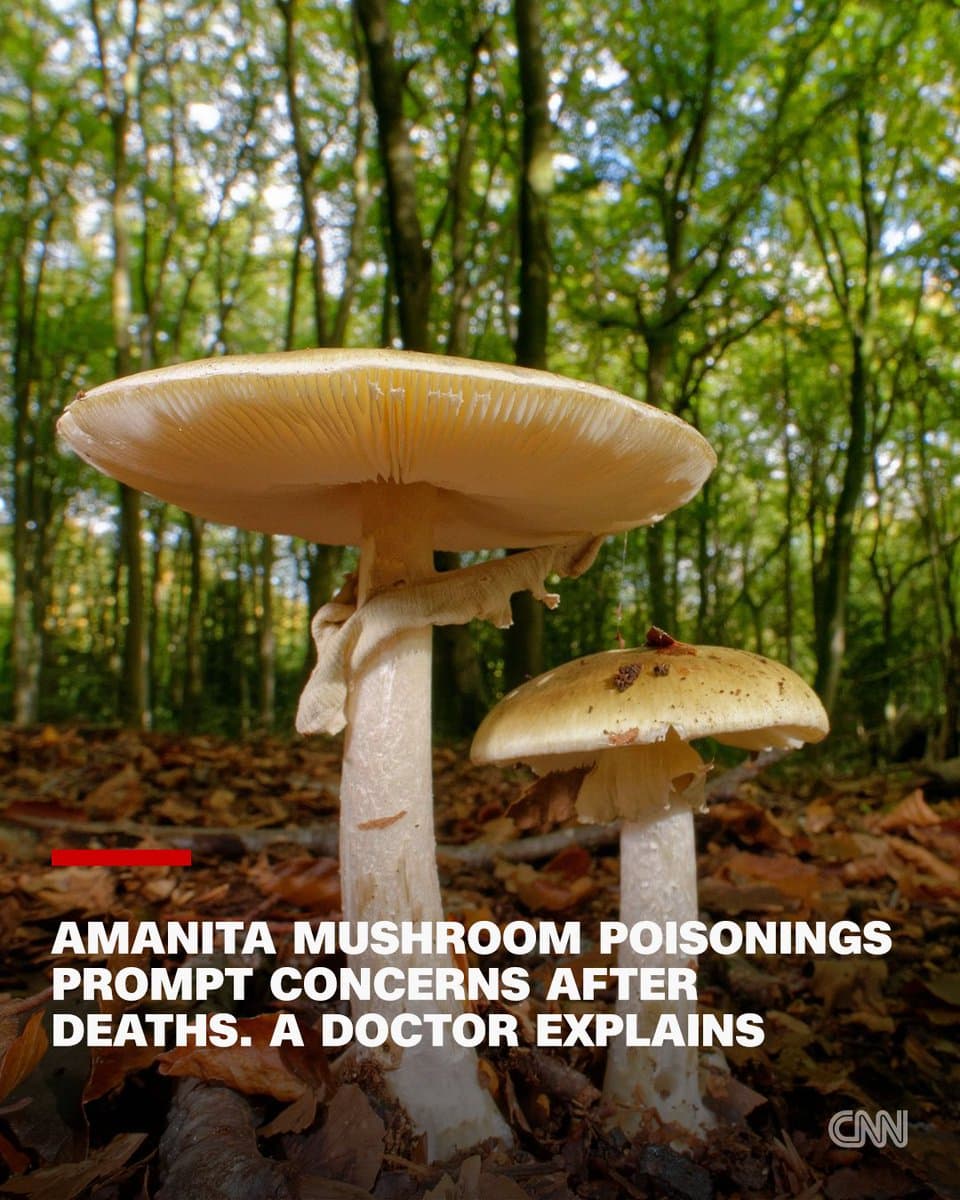
A single wrong mushroom call has already left four people dead, three others needing liver transplants, and 39 Northern California poisonings tied to amatoxin mushrooms between November 2025 and March 2026. The Centers for Disease Control and Prevention says the lesson for foragers is brutal: “pretty sure” is not good enough when Amanita species are in the basket.
The CDC’s Morbidity and Mortality Weekly Report said the California Poison Control System and the California Department of Public Health responded to the outbreak across Northern California, and that it became the largest reported outbreak of mushroom-associated hepatotoxic poisoning in California history, as well as the largest in the United States in several decades. The patients collectively spoke at least six languages other than English, and some had previously foraged similar-appearing mushrooms in other countries, a detail that underscores how easily a familiar-looking edible can be mistaken for a deadly wild Amanita.
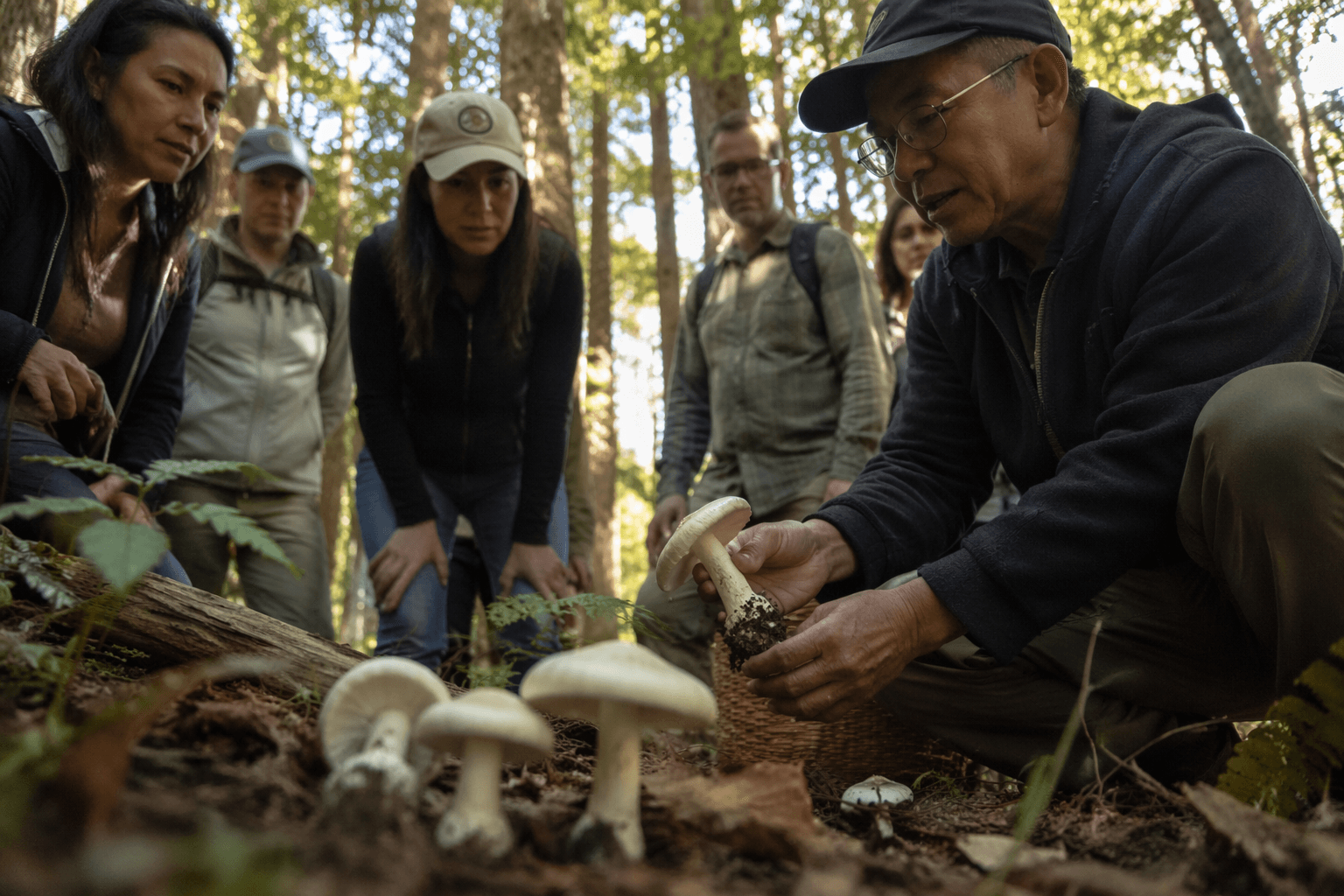
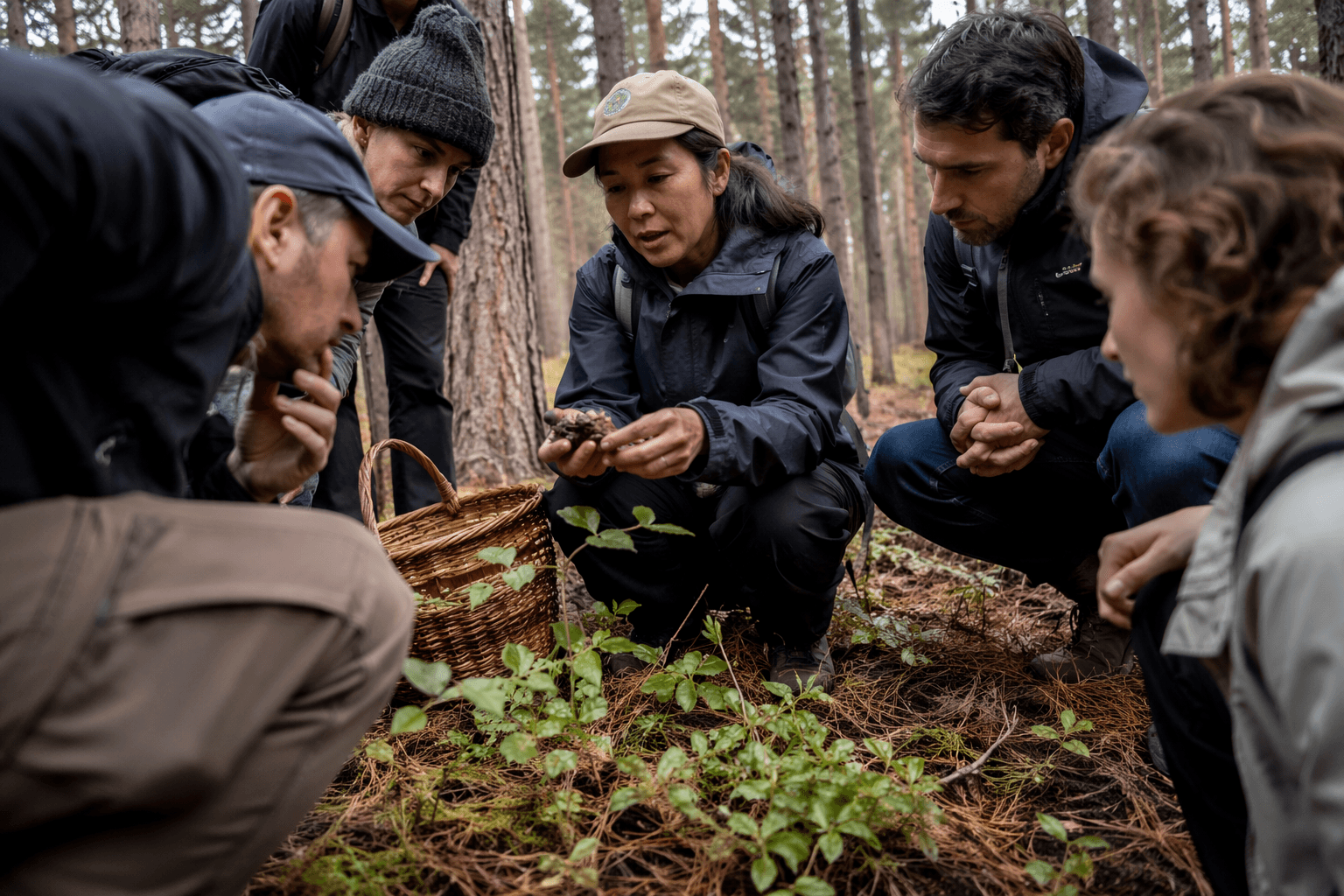
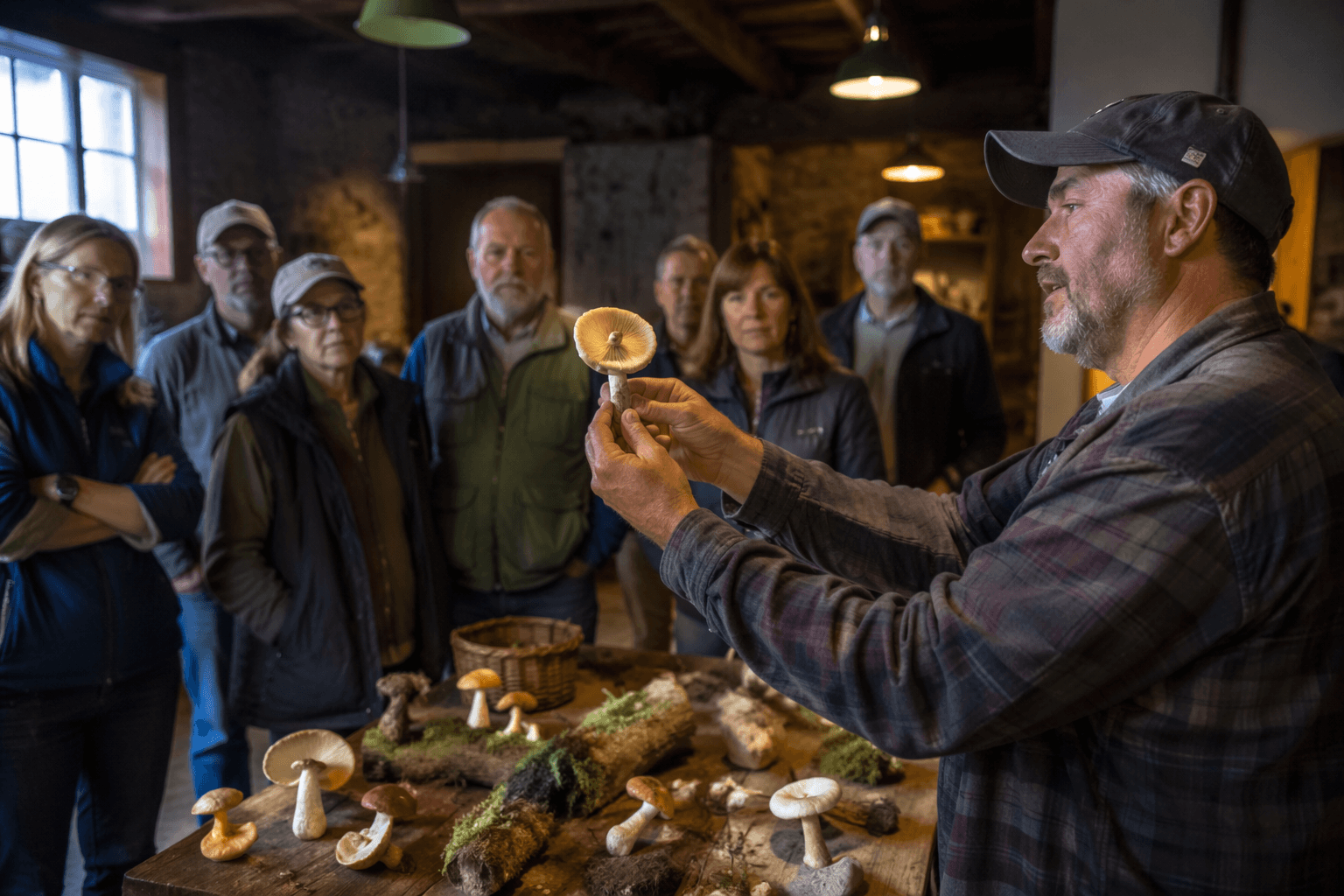
That language mix matters because the hazard is not limited to remote woods. CDPH says poisonous wild mushrooms can grow in neighborhoods and parks, especially after periods of rain, and the main fruiting season for amatoxin-containing mushrooms runs from late fall through mid-spring. For mushroom hunters, that means the danger can show up in the same places people walk dogs, let kids play, or scout spring flushes after a wet spell.

California’s warnings have escalated as the case count climbed. In a Dec. 5, 2025 advisory, CDPH said 21 people who ate foraged wild mushrooms had reported adverse effects, including rapidly evolving acute liver injury and liver failure, with several ICU admissions and two possible liver transplants, including a young child. By May 22, 2026, the state said 50 mushroom-related poisonings had been reported since November 2025, including severe illnesses and the four deaths.
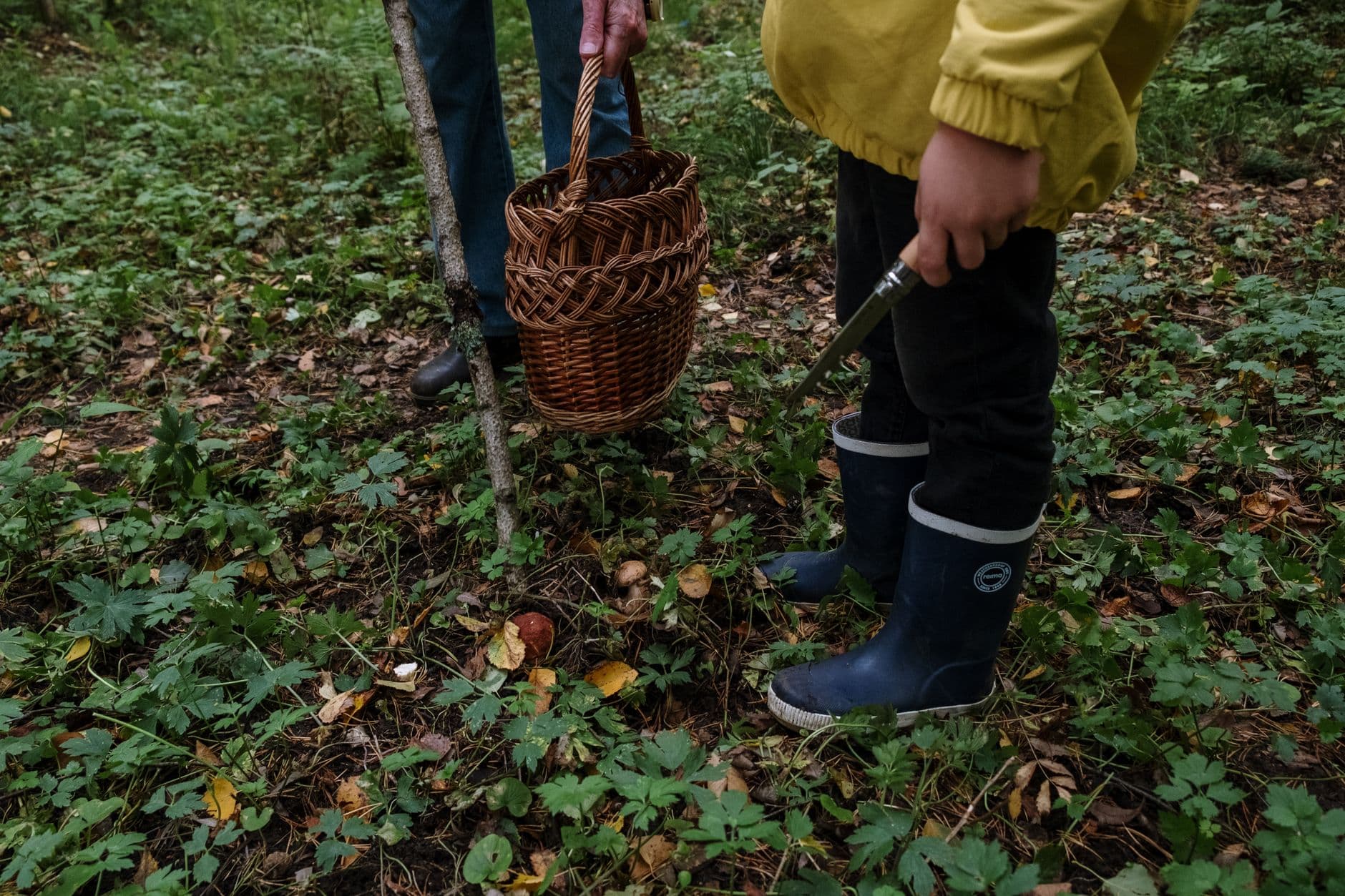
The species at the center of the warning are the ones every forager learns to fear: Amanita phalloides, the Death Cap, and Amanita ocreata, the Western Destroying Angel. CDPH and the CDC have both stressed that multilingual education can help, but the sharper message for the field is simpler. If a wild mushroom could be an Amanita, it does not belong on the table without expert confirmation, because the cost of a wrong guess can be a liver transplant, or worse.
This article was produced by Prism’s automated news system from verified source data, official records, and press releases, then run through automated quality and moderation checks before publishing. The system is built and supervised by the people who set the standards it runs under. Read our full AI policy.
Did this article answer your question?