China launches 3D wild mushroom database for safer foraging
China has put 423 3D wild mushroom models online, aiming to help spot deadly lookalikes before they end up in the basket.
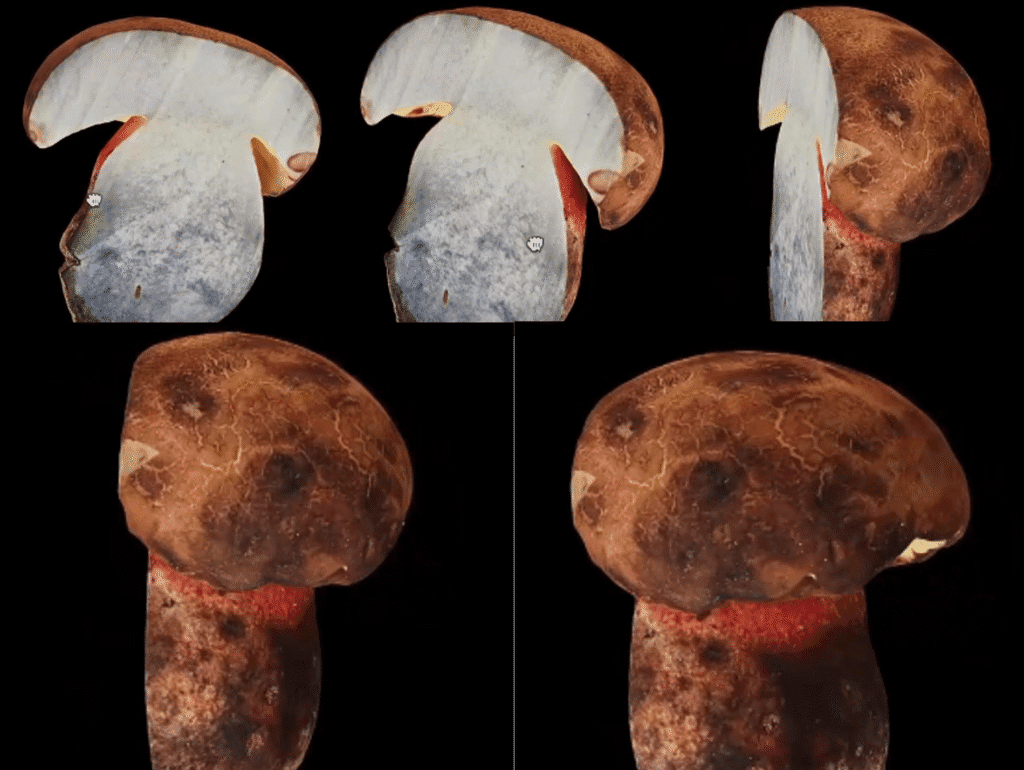
China’s Kunming Institute of Botany launched two free wild mushroom databases on May 29, 2026, putting 423 high-quality 3D models and more than 28,000 photos into one public reference system.
The new projects are the Southwest China Macrofungal Resource Database and the Yunnan Wild Mushroom Fruiting Body 3D Morphology Database. Both were designed to support species identification, resource surveys, conservation decisions, and science education. The broader resource database holds 8,648 records linked to 8,648 DNA sequences and more than 28,000 fruiting-body photos. The 3D database covers 182 common macrofungal species across 66 families, including 44 common edible and medicinal wild mushrooms from the Kunming area.

The 3D models are built from freshly picked fungi photographed from every angle, creating full 360-degree views that can be rotated and examined online. The system also supports quantitative research, morphological measurements, 3D printing, and future artificial-intelligence work. The companion database contains species-level information on morphology, ecology, distribution, DNA barcodes, and edible or medicinal value.
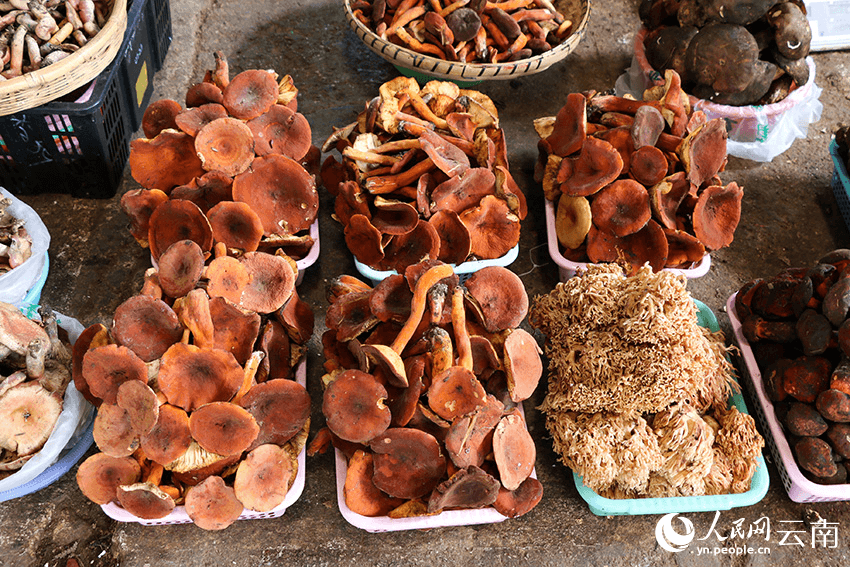
Yunnan has more than 900 wild edible mushroom species, supplies about 70% of China’s wild edible mushroom market, and supports more than 100,000 jobs. An earlier institute publication put annual trade volume at about 150,000 to 200,000 tons and said the sector could reach 100 billion yuan in output. Zang Mu joined the institute in 1973 and published more than 130 new taxonomic units.
The World Health Organization warns that wild mushrooms can contain toxins such as muscimol and muscarine, which can trigger vomiting, diarrhea, confusion, visual disturbances, salivation, and hallucinations. The OECD AI incident database has also recorded a China case in which a user relied on Doubao to identify a wild mushroom, ate a toxic specimen, and suffered acute kidney failure.
This article was produced by Prism’s automated news system from verified source data, official records, and press releases, then run through automated quality and moderation checks before publishing. The system is built and supervised by the people who set the standards it runs under. Read our full AI policy.
Did this article answer your question?