Cordillera reports 12 mushroom poisonings as rainy season boosts foraging
Twelve mushroom poisonings in Cordillera, most in men ages 19 to 56, showed how rainy-season foraging can turn a look-alike into a hospital case.

Twelve mushroom poisonings in Cordillera have put a hard edge on rainy-season foraging: the danger starts long before anything reaches the pan. Health officials in the Philippines’ Cordillera Administrative Region recorded the cases among 10 men and two women, ages 19 to 56, and every incident was tied to eating wild or foraged mushrooms.
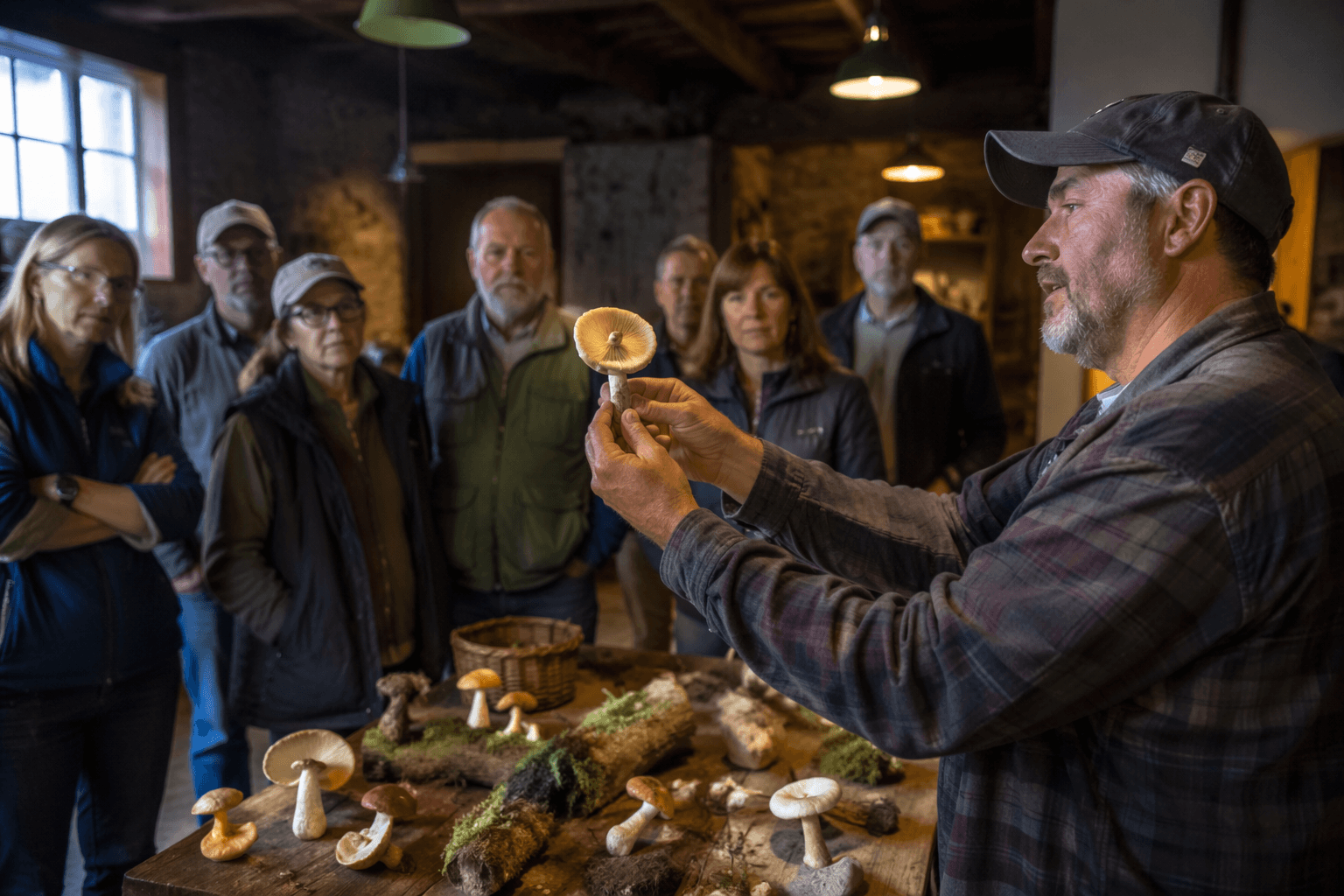
The failure point is the one mushroom hunters know best and still underestimate most often: misidentification. Officials warned that toxic mushrooms can look almost identical to edible species, with differences so subtle that only trained experts can separate them with confidence. That is the core lesson from these cases. Field impressions, guesswork, and advice passed along by friends or relatives are not enough when a species can appear familiar and still be dangerous.
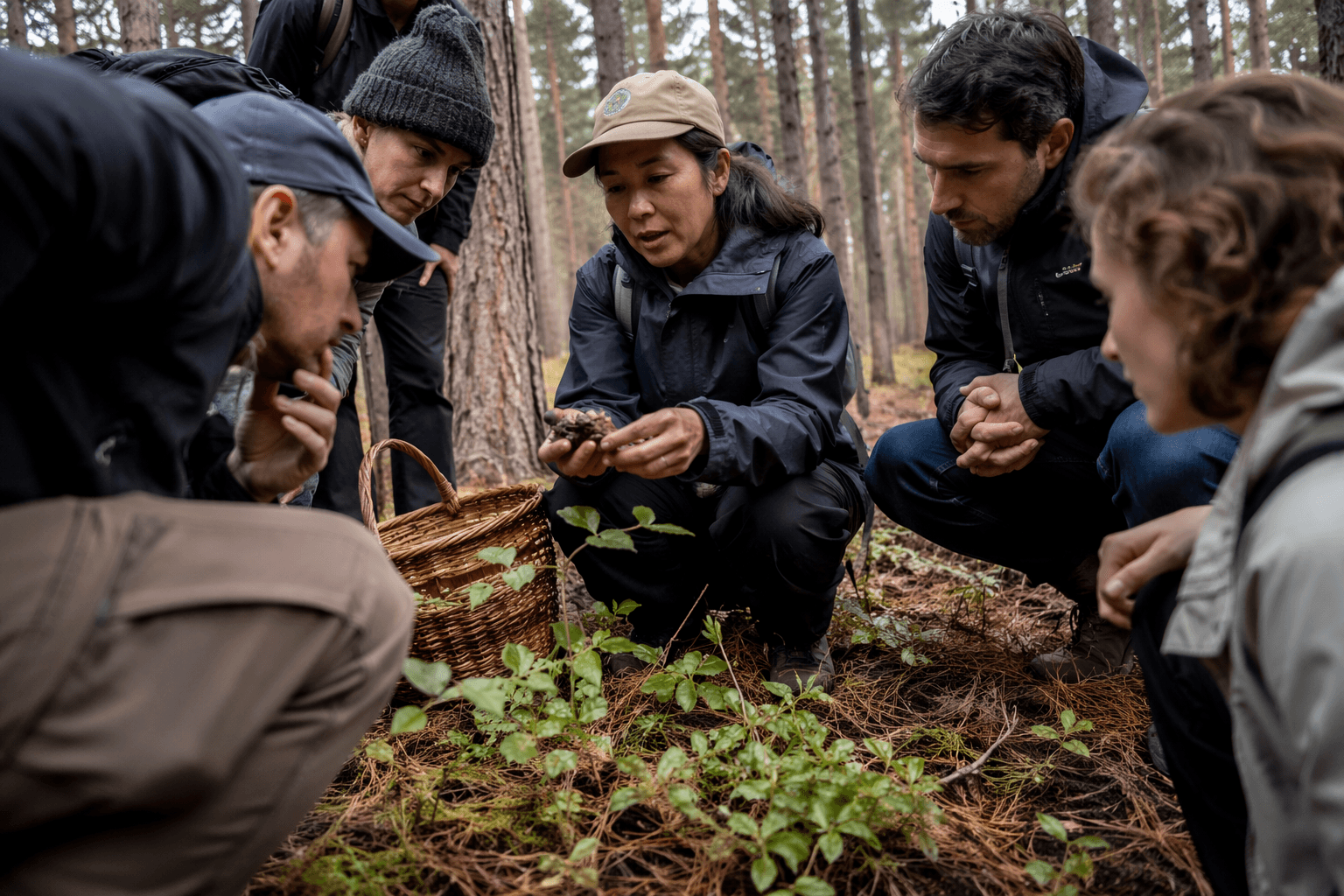
The Department of Health-Cordillera Administrative Region said the rainy season is driving more mushrooms to grow in forests and rural areas, which in turn encourages more casual collection. That same flush of fungi raises the risk for anyone treating a wild find as automatically edible. The department is coordinating with local government units to step up information and education campaigns as foraging becomes more common.
Officials also stressed how quickly mushroom poisoning can escalate. Even small amounts of poisonous mushrooms can cause severe reactions, including gastrointestinal distress, organ damage, and death in extreme cases. The most common symptoms are vomiting, diarrhea, dizziness, abdominal pain, and weakness, and they can appear within hours of ingestion. Anyone who develops those symptoms after eating mushrooms was urged to seek immediate medical help, because early treatment is critical.
For hobby foragers, the do-not-do list is now unmistakable: do not eat a wild mushroom just because it resembles a familiar edible species, do not lean on folk knowledge or casual advice, and do not treat a rainy-season flush as proof of safety. The Cordillera cases show how fast a simple meal can become a poisoning when identification stops at first glance.
This article was produced by Prism’s automated news system from verified source data, official records, and press releases, then run through automated quality and moderation checks before publishing. The system is built and supervised by the people who set the standards it runs under. Read our full AI policy.
Did this article answer your question?