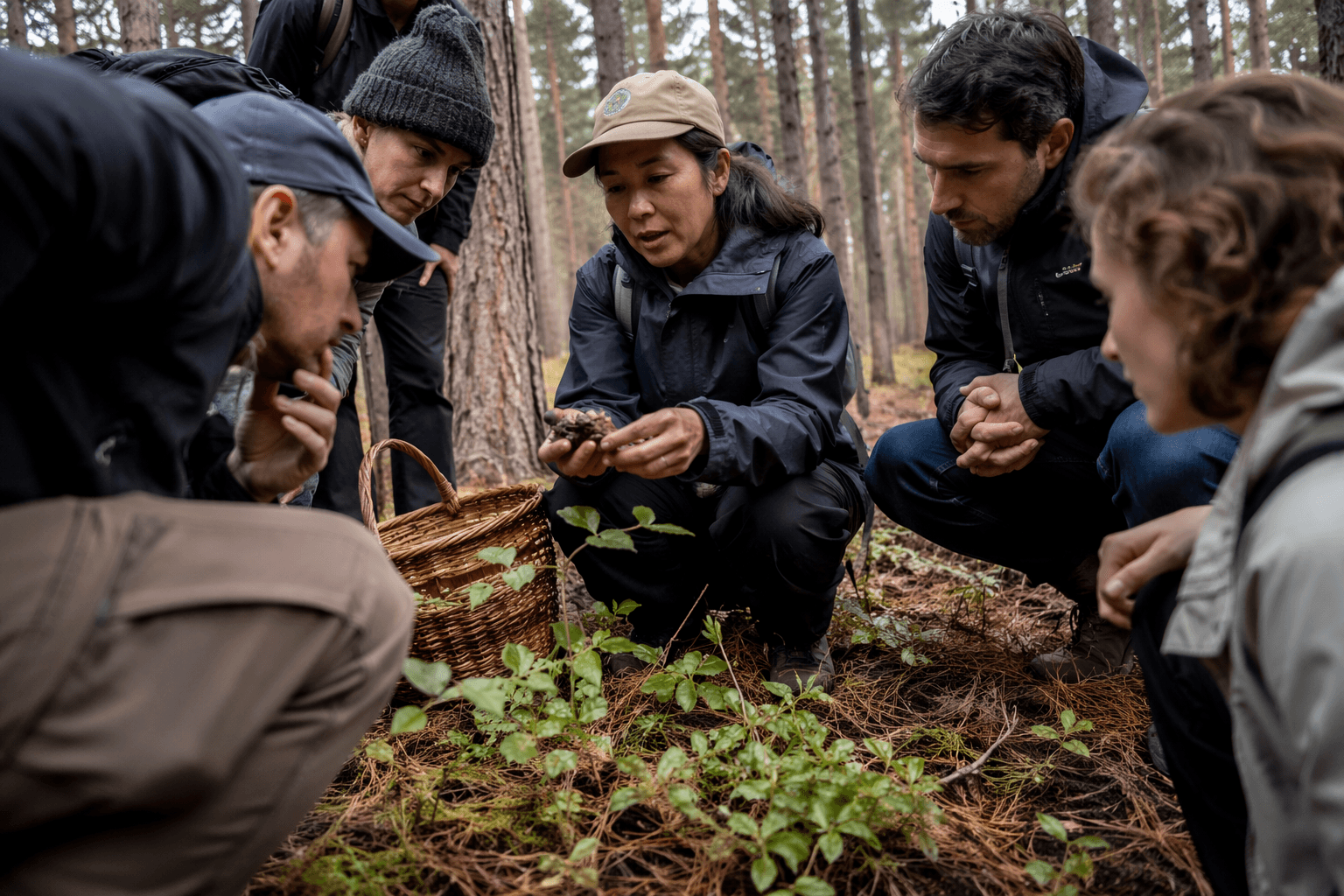
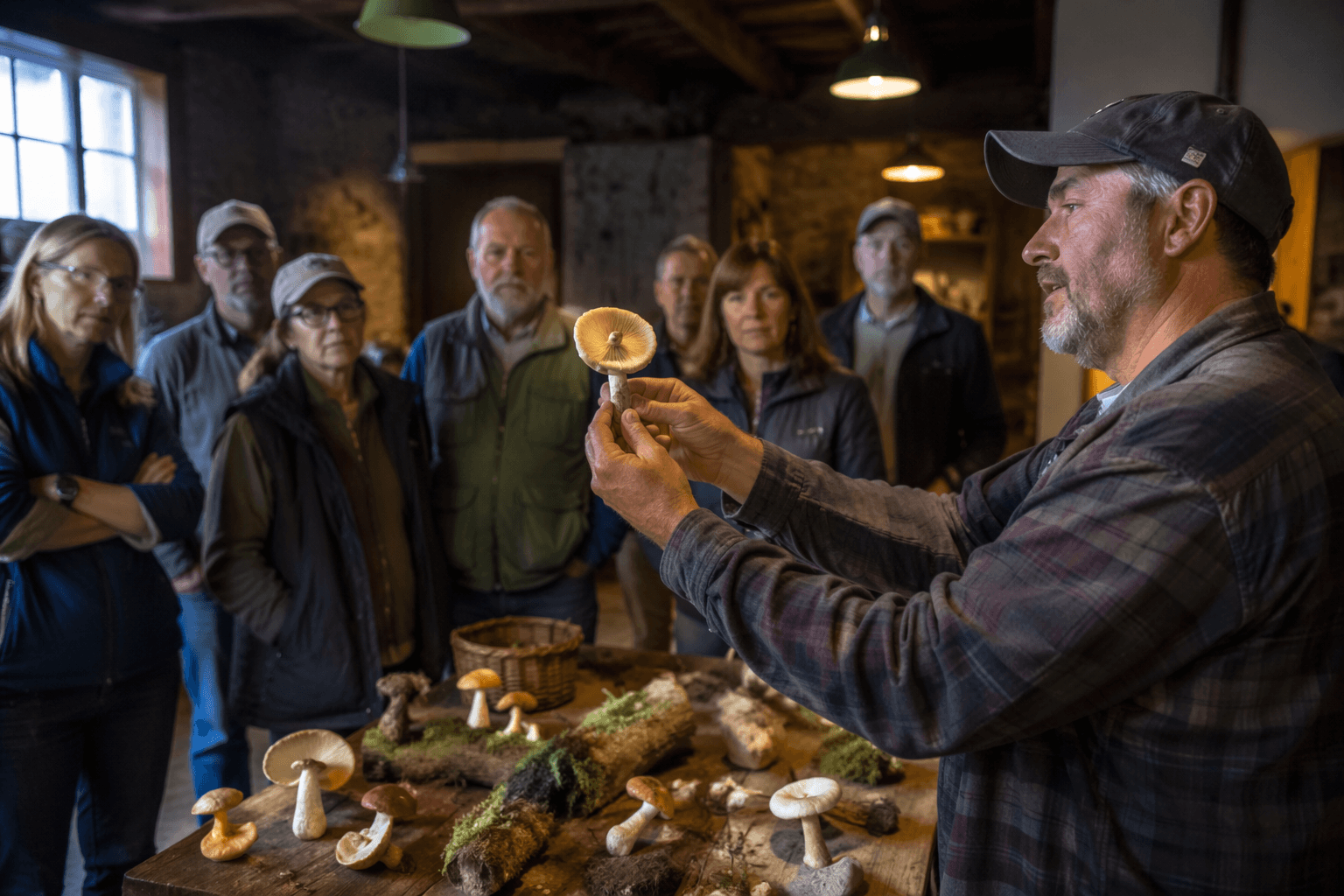
Europe’s chanterelle shortage deepens as Balkan drought slashes harvests
Europe’s chanterelle market is tightening, but the shortage is a signal to watch local weather, not proof that every forest will go empty.
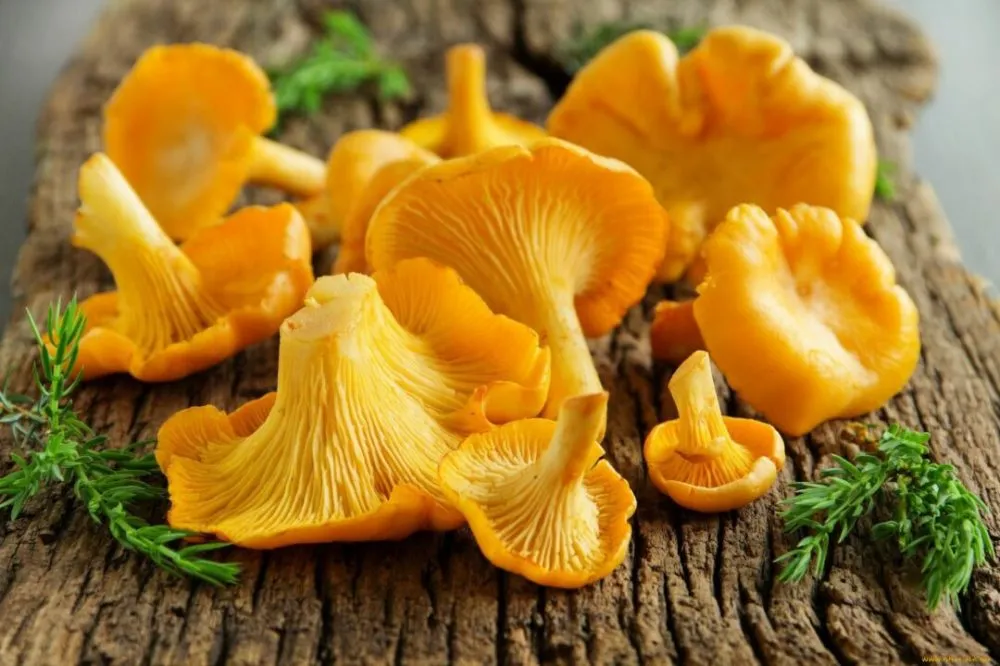
The chanterelle shortage in European wholesale channels says more about weather and trade than it does about any single forest floor. A poor Balkan harvest, driven by persistent drought and high temperatures, has cut supply just as demand normally builds toward peak season. For hobby foragers, the message is clear: the commercial squeeze is real, but it does not automatically mirror what is happening in a local patch.
Lisa Niklas of the Bavarian company Pilze Niklas said Lithuania and Ukraine are the main alternatives now being considered, although Lithuanian volumes are limited because the country is small and its harvest depends heavily on weather. She said Ukrainian chanterelles are slightly darker and a bit more worn in appearance, but still generally good quality and an important fallback for the market. Niklas also warned that the shortage could last at least two more weeks and declined to predict how the market would behave this year.
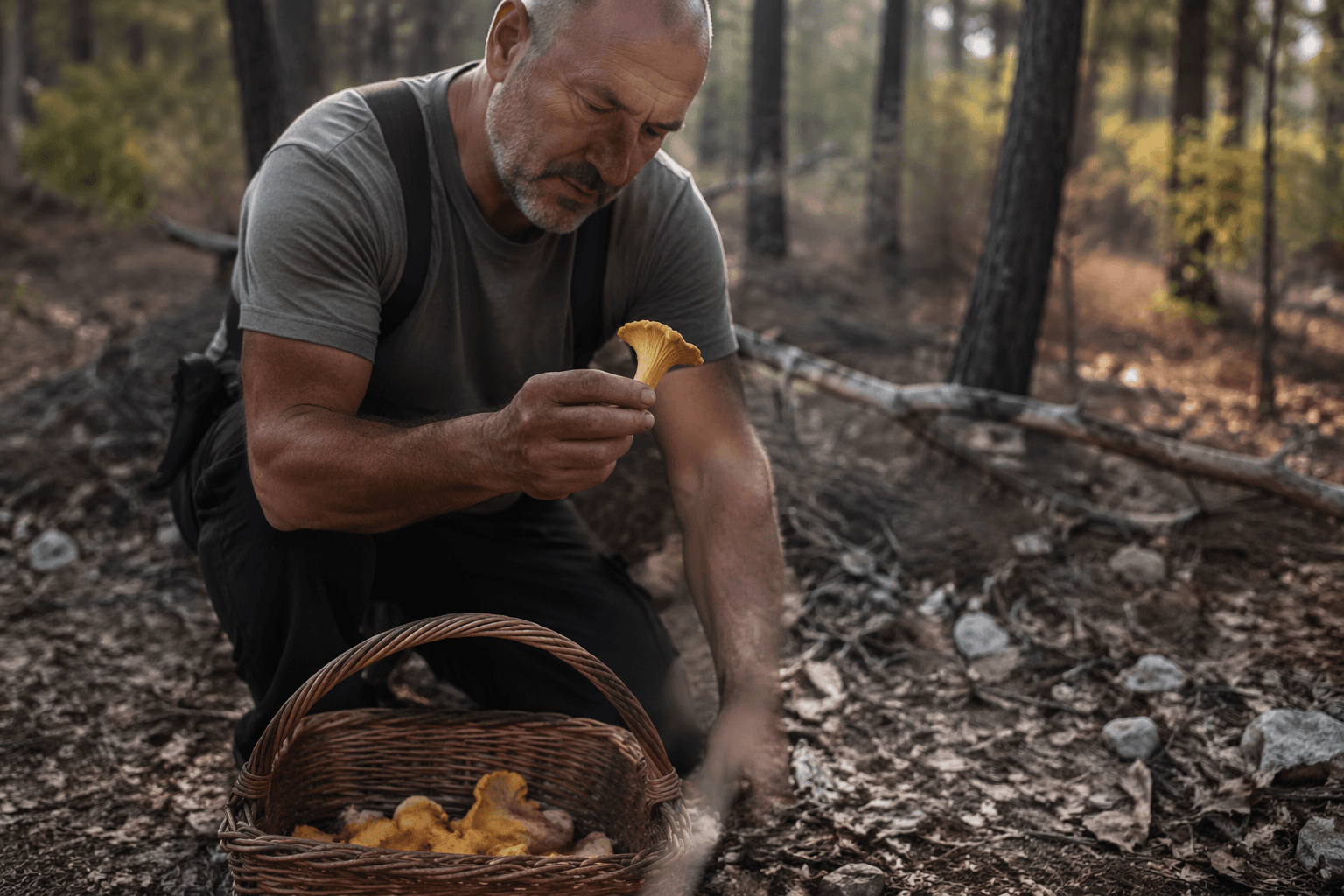
The pressure on supply has been building across more than one route. Chanterelles from Russia’s Kaluga region, once popular in the European Union, are no longer being supplied because of the boycott of Russian goods. Those shipments were replaced by chanterelles from Belarus, but even that source is now uncertain this season. The timing matters because the traditional chanterelle peak runs from July through August and often stretches into September, which means the market is heading into its busiest stretch with supply already strained.
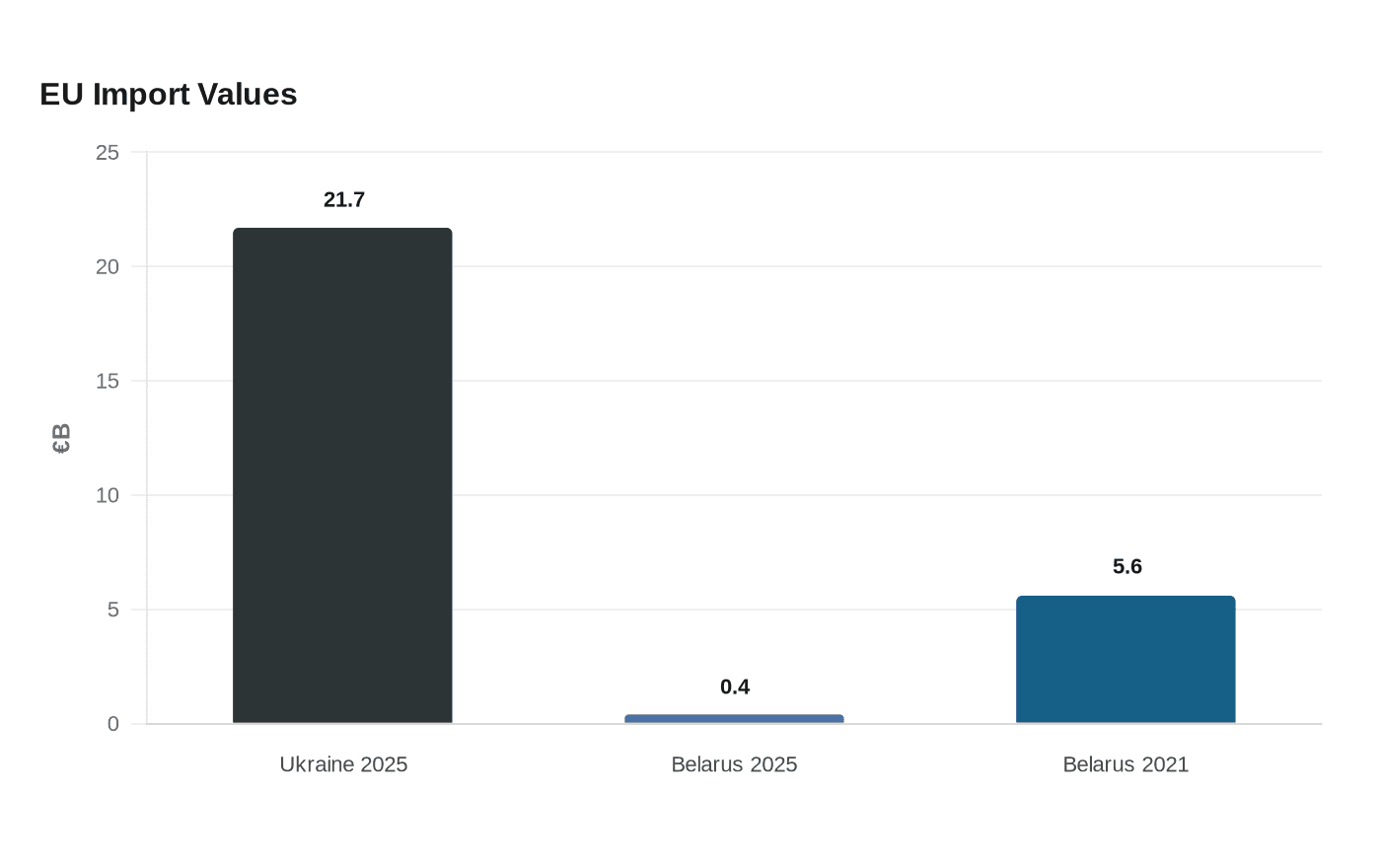
The wider trade picture helps explain why the fallback options matter so much. The European Commission said the upgraded EU-Ukraine DCFTA entered into force on October 29, 2025, giving Ukrainian supply a more stable framework for reaching EU buyers. The Commission also said the EU imported goods worth €21.7 billion from Ukraine in 2025, while imports from Belarus fell to €0.4 billion from €5.6 billion in 2021. That leaves Ukrainian chanterelles looking more dependable than Belarusian shipments, even before the season’s weather risk is added in.
Chanterelles are not just a market commodity, either. FAO/WHO Codex Alimentarius maintains a Regional Standard for Chanterelles in Europe, covering fresh mushrooms of the genera Cantharellus and Craterellus and setting size rules for marketable lots, including a 20 mm limit between the smallest and largest caps in the same package if they are sorted. FAO says wild edible fungi are collected for food and income in more than 80 countries, and that European demand has generated significant earnings for exporting regions. With drought affecting more people worldwide over the past 40 years than any other natural hazard, the current Balkan shortfall looks less like a one-off and more like the kind of signal foragers already know to watch: what happens in one region’s weather can ripple quickly through the whole chanterelle season.
This article was produced by Prism’s automated news system from verified source data, official records, and press releases, then run through automated quality and moderation checks before publishing. The system is built and supervised by the people who set the standards it runs under. Read our full AI policy.
Did this article answer your question?