Forest foraging class near Twin Cities teaches mushrooms and wild edibles
A rural foraging class near the Twin Cities turns mushroom hunting into a lesson in judgment, pairing wild edibles with the ethics and safety beginners need.

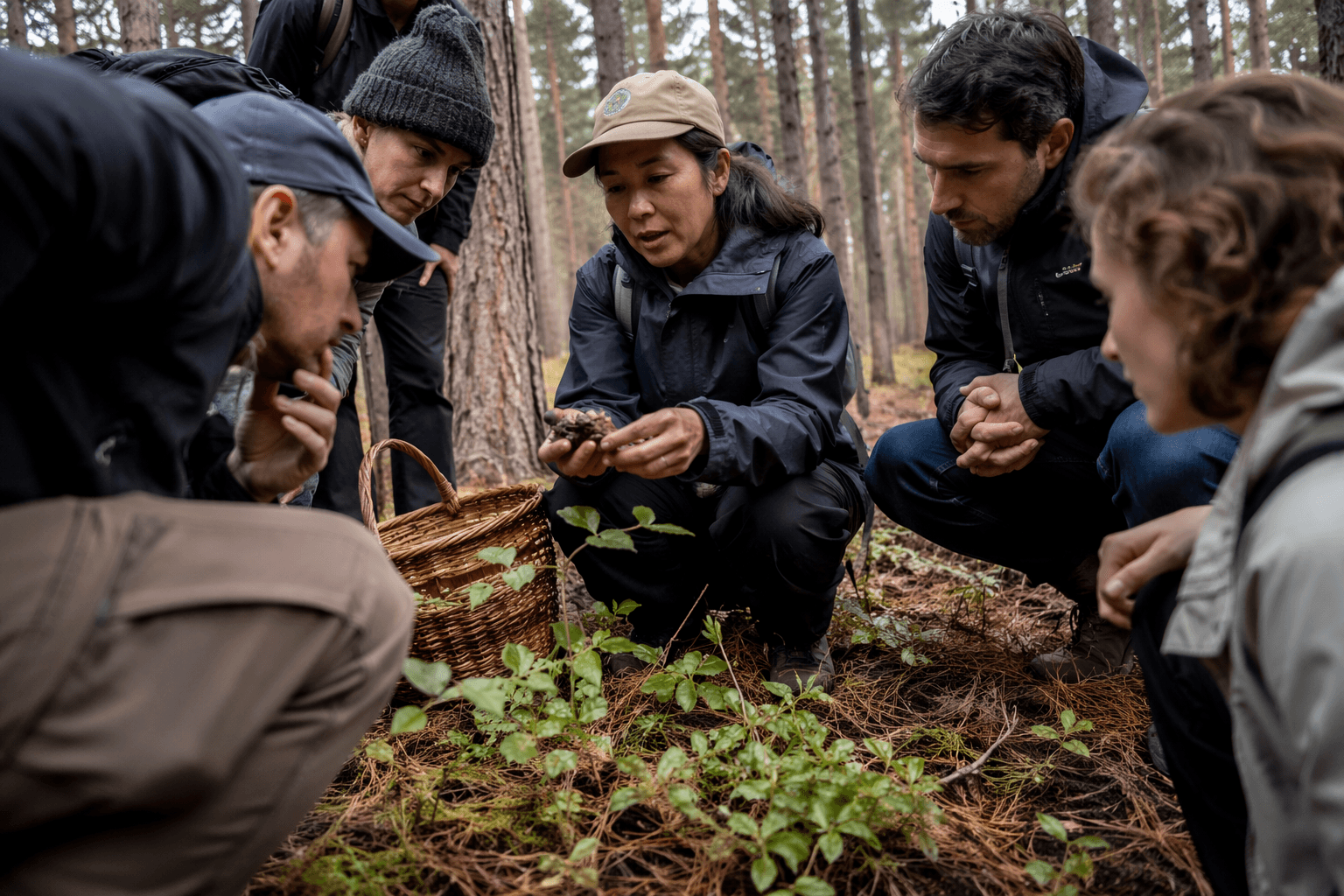
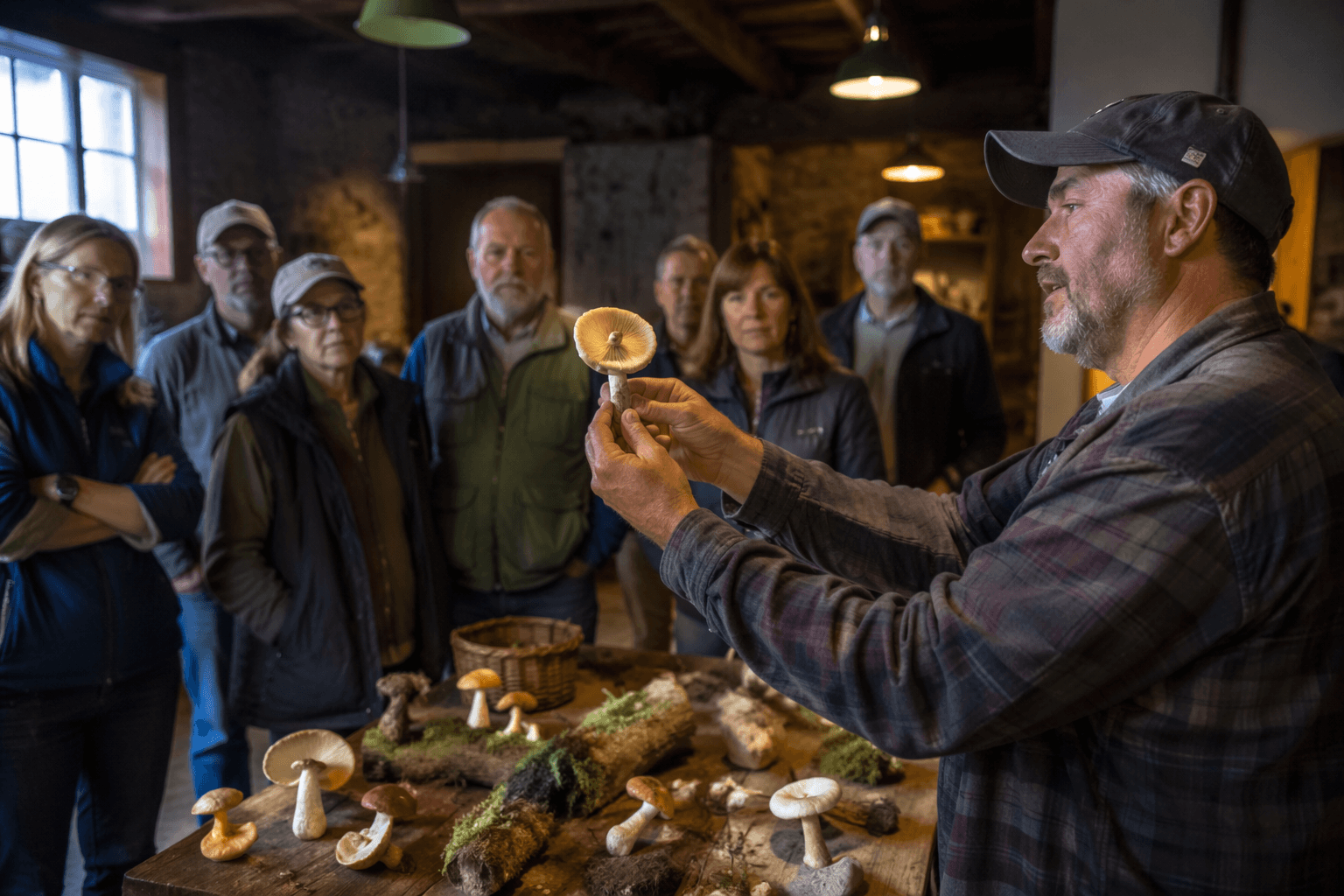
A three-hour walk in the woods can teach far more than where to find dinner. The Forest Foraging June class near the Twin Cities was built as a rural outing that mixed plants, mushrooms, and practical field skills, with Maria Wesserle guiding participants through the habits that matter most in the field: careful observation, legal awareness, and safe handling.
A class built around reading the landscape
The June 14 session ran from 10:00 a.m. to 1:00 p.m. and was set about 40 minutes north of the Twin Cities. Four Season Foraging described it as a countryside trip for forest foraging, and the structure made clear this was not a casual stroll with a basket. Participants were expected to cover roughly three miles over and off trail, with the route potentially involving bushwhacking, hills, logs, and other obstacles.
That kind of terrain matters because it forces beginners to slow down and notice more. A mixed field class that includes plants and mushrooms teaches the same habits over and over: how to scan a habitat, how to recognize what grows together, and how to judge whether a promising patch is actually worth touching. In this outing, the list of possible finds included wood nettle, Virginia waterleaf, oysters, and chicken of the woods, with mushrooms available only if conditions cooperated.
Why the class is designed for participatory learning
Four Season Foraging kept the group small on purpose, and the listing suggested ages 14 and up. Space was limited to encourage participatory learning, which is the right call for a class that asks people to move, look closely, and ask questions as they go. The sliding-scale fee of $50 to $70 also keeps the outing accessible while still reflecting the time, expertise, and hands-on instruction built into a guided rural program.
The exact location was emailed to registrants, which is a common and sensible setup for a foraging outing that depends on the right habitat, the right season, and a manageable group size. For readers trying to build skill before heading out alone, that detail matters as much as the species list. The value here is not in checking off names, but in seeing how a trained guide reads a site and explains what makes a place safe, promising, or not worth the risk.
Maria Wesserle’s background shapes the lesson
Maria Wesserle brings a long runway of experience to the class. Four Season Foraging says she founded the company in 2017, and she has said she started harvesting wild plants for edible and medicinal purposes in 2004. Her iNaturalist profile adds another important layer: she works across woods, fields, and urban areas in search of plants, fungi, and animal tracks and sign, and she is a certified wild mushroom harvester in Minnesota.
That combination points to a teaching style rooted in broad field literacy rather than a narrow chase for a single species. It also helps explain why the organization positions itself as a Minneapolis-based business that helps people start harvesting and preparing wild foods and medicines, while also offering classes, resources, and speaking engagements. An instructor profile from the American Swedish Institute says Wesserle has spent more than 10 years teaching foraging and other nature programs across the Upper Midwest, which helps place the June class inside a much larger pattern of seasonal education.

The legal side is part of the lesson
A mushroom class in Minnesota is never just about identification. State rules require mushroom-identification training from an accredited college, university, or mycological society for certified wild mushroom harvesters, and the Minnesota Department of Agriculture verifies certification documents and maintains a registry of wild mushroom harvesters. The state also makes it illegal for unregistered wild mushroom harvesters to sell foraged mushrooms to food establishments in Minnesota.
That regulatory framework gives Wesserle’s emphasis on laws and ethics real weight. The Minnesota Mycological Society says it typically conducts one certification class per year, usually in February or March, which shows how formal the state’s mushroom education pipeline can be. Even for people who are foraging for personal use rather than sale, the message is clear: identification is not a party trick, and legality sits right beside safety in the woods.
A season shaped by access, policy, and risk
The class also lands in a broader Minnesota conversation about who gets to forage, where, and under what rules. In 2025, the Minnesota Sustainable Foraging Task Force was created to review foraging policy and make recommendations for DNR-managed state lands. A draft report tied that work to a long history of foraging in Minnesota that begins with Indigenous food and medicine traditions and continues through later settler and immigrant practices.
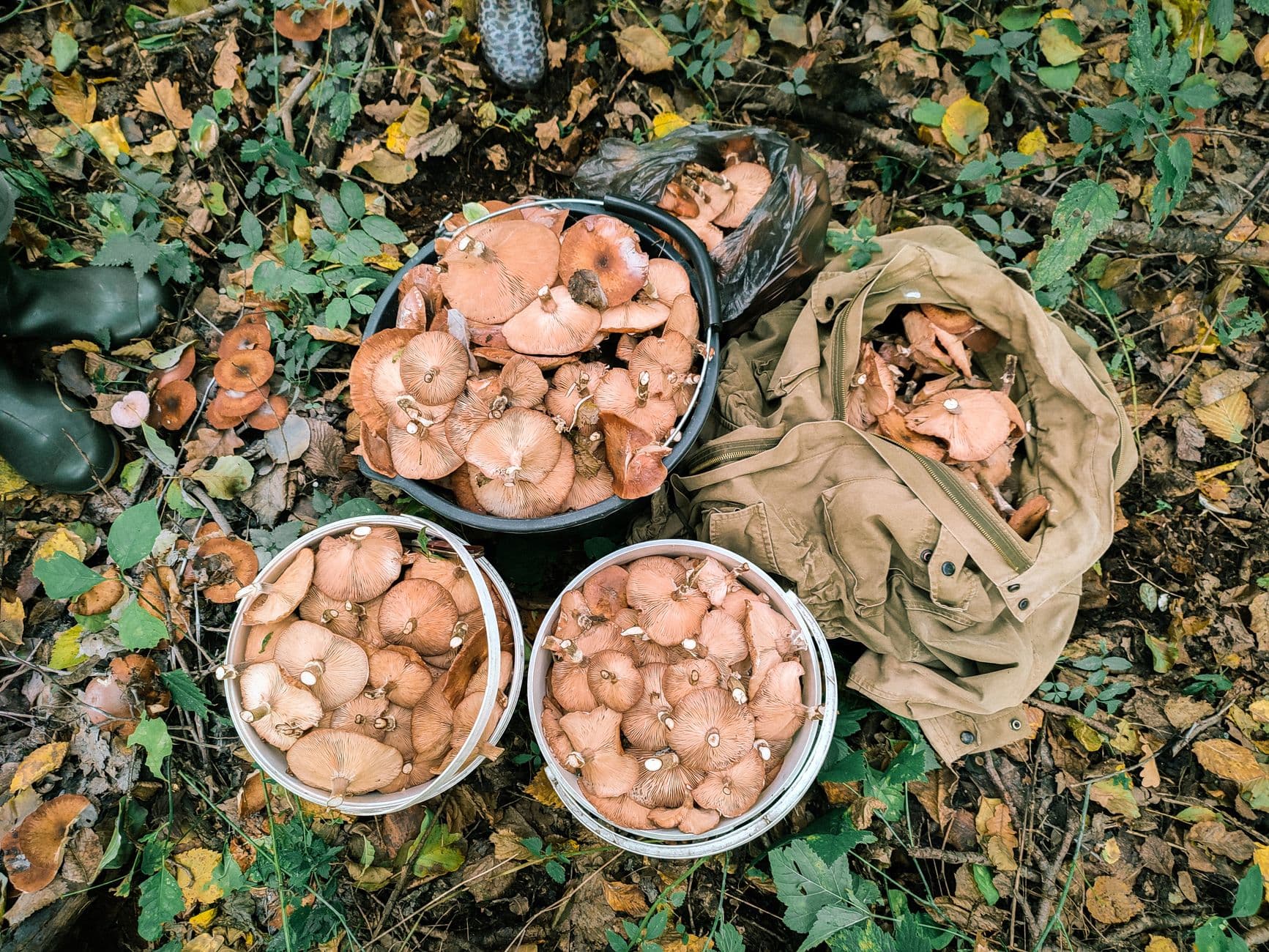
Safety adds another layer. Minnesota poison-control officials have reported more mushroom exposure calls during warm, wet summers, and the Minnesota Regional Poison Center says people should never eat a wild mushroom unless it has been identified by a trained mushroom expert. That advice fits the point of a guided outing like this one: the class is not just about what grows after rain, but about learning how to make better calls before anyone takes a bite.
Why guided outings build better judgment
A well-run foraging class turns uncertainty into practice. You see how a guide moves through uneven ground, how identification is tied to habitat, and how ethics and law come up as naturally as harvest technique. In a setting like this, beginner foragers are not being told to chase a list of prized finds; they are being trained to notice structure, sequence, and risk.
That is what makes the Forest Foraging June class near the Twin Cities useful beyond one Sunday in June. A three-hour rural outing, a small group, a tough route, and a guide with years of experience all combine to teach the kind of judgment that matters long after the basket is empty.
This article was produced by Prism’s automated news system from verified source data, official records, and press releases, then run through automated quality and moderation checks before publishing. The system is built and supervised by the people who set the standards it runs under. Read our full AI policy.
Did this article answer your question?