Fungi found inside desert moss could rewrite plant evolution
Inside desert moss, researchers found fungal DNA and branching filaments in healthy cells, hinting the plant-fungus alliance is older than modern forests.
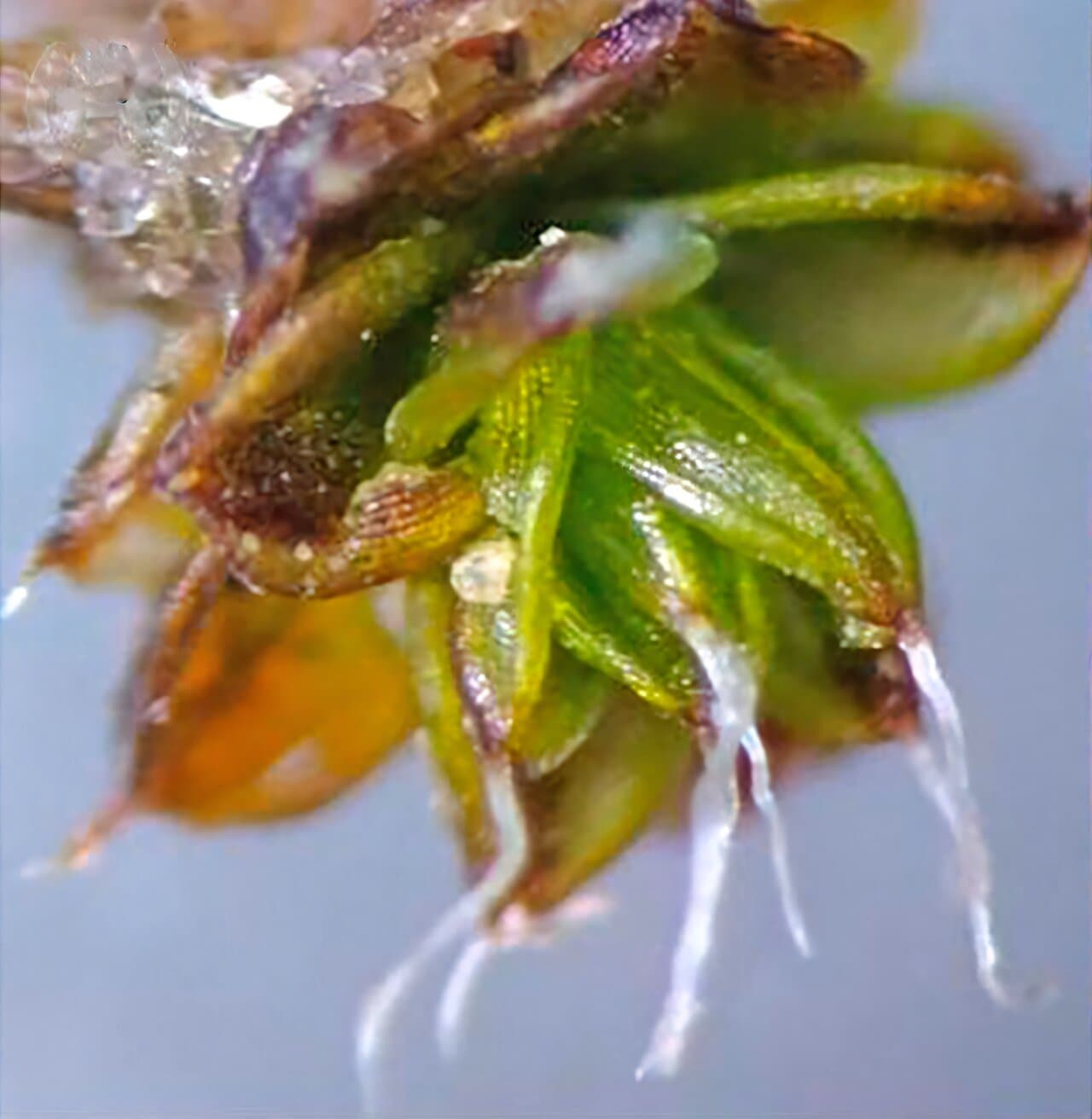
Researchers studying California dryland biocrusts found fungal DNA and branching structures inside healthy desert moss cells, a sign the plant-fungus partnership may reach far deeper into evolutionary history than the cap-and-stem world most foragers see above ground. The work appeared May 4, 2026, in New Phytologist under the title “Novel Glomeromycotina–moss associations identified in California dryland biocrusts,” with Kian H. Kelly, Claudia Coleine, Chris Coshland and Jason E. Stajich as authors.
Kelly and colleagues stained moss tissue with a blue dye that binds to fungi, then examined the samples under a microscope and ground up moss to search for fungal DNA. In healthy Trichostomopsis australasiae cells, they saw intracellular branching that resembled Glomeromycotina, and the fungal communities inside moss biocrusts differed from the fungi in adjacent bare soil. The relationship had not previously been documented in mosses.
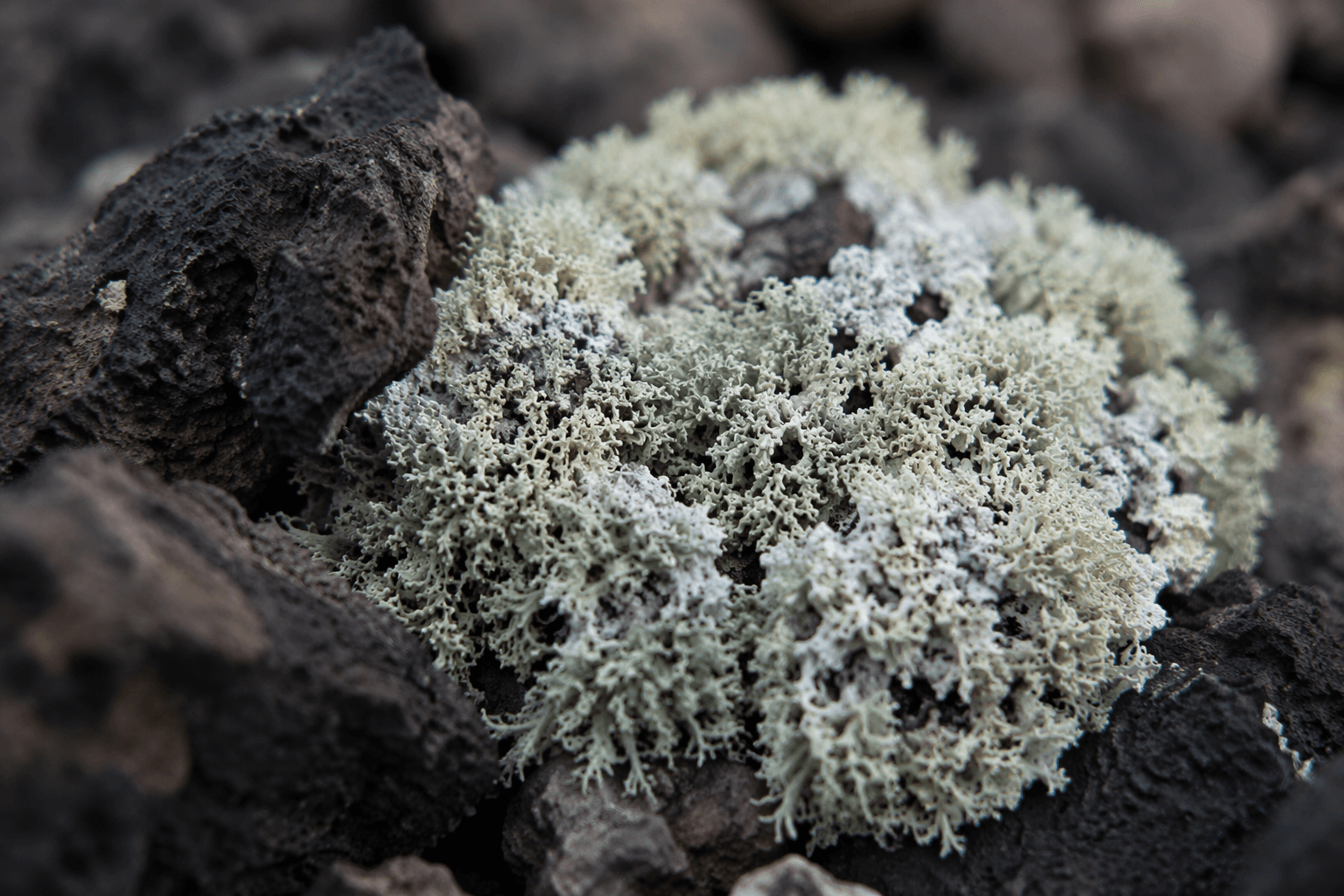
The field sites stretched across California dryland biocrusts, including moss collected at the Anza-Borrego Research Station, with comparisons drawn from the Mojave and Sonoran deserts and from less arid sites. Those desert environments can top 100 degrees Fahrenheit, or 38 degrees Celsius, which makes the finding especially striking because it suggests some fungi inside moss may be better adapted to hot, dry ground than their cousins in milder places.
That matters because mosses have long been treated as ecological loners in the land-plant story, while more than 85 percent of land plants are known to partner with fungi and about three-quarters work with arbuscular mycorrhizal fungi in particular. Michigan State University researchers reported in 2024 that moss-fungi interactions can be more complicated than expected, and that the extent of those interactions often depends on endobacteria inside the fungi. They also placed mosses’ move onto land about 450 million years ago, during the Ordovician period. Recent reporting has pushed the fungal timeline even deeper, with arbuscular mycorrhizal fungi estimated at roughly 475 million years old, possibly predating roots by 360 million to 420 million years.
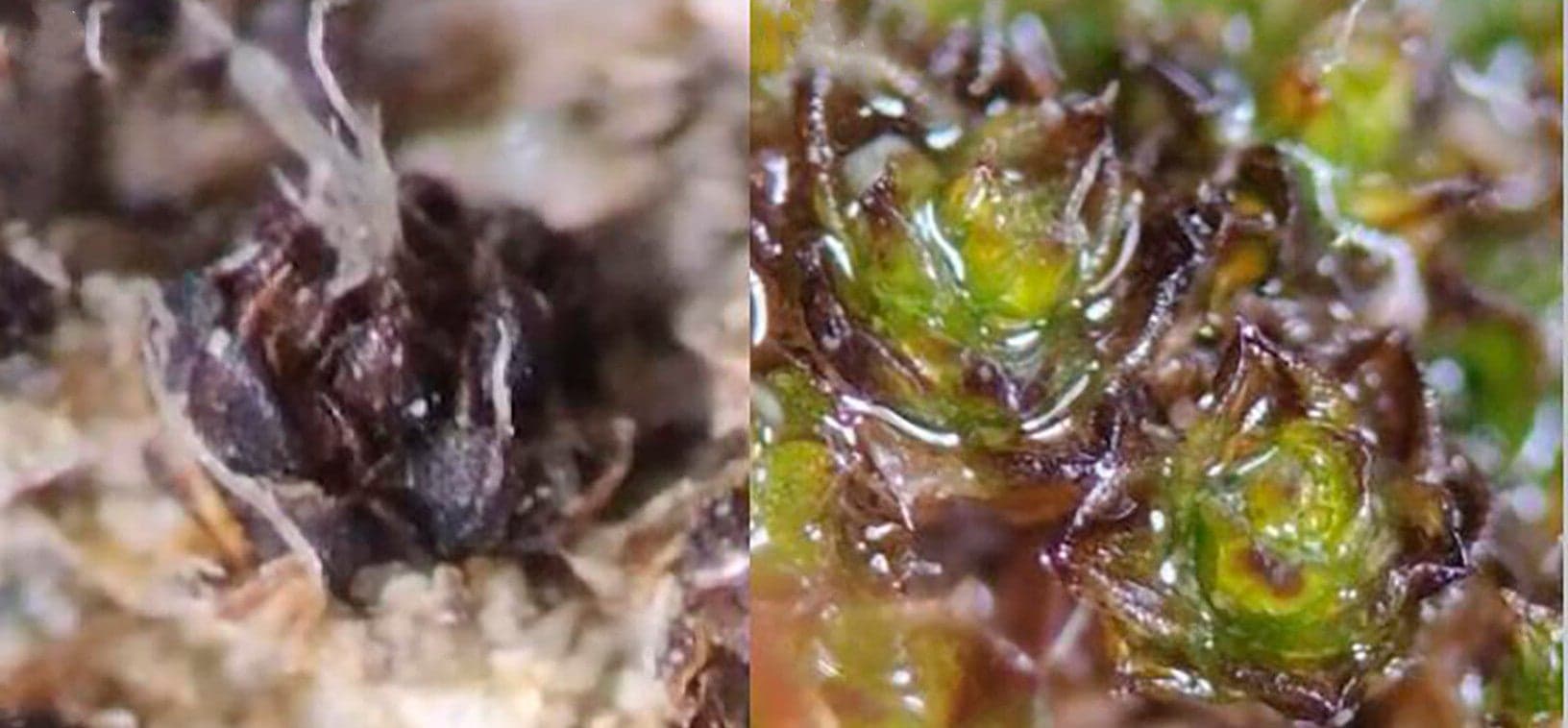
For mushroom foragers, the lesson is immediate. The fruiting body is only the visible tip of a much older underground system, and this desert moss study adds another layer to that hidden network. If fungi were living inside moss tissues all along, then the soil web that helps forests regenerate, habitats hold together and wild mushrooms eventually flush may be more ancient, and more intertwined, than the old “mosses are loners” model ever allowed.
This article was produced by Prism’s automated news system from verified source data, official records, and press releases, then run through automated quality and moderation checks before publishing. The system is built and supervised by the people who set the standards it runs under. Read our full AI policy.
Did this article answer your question?