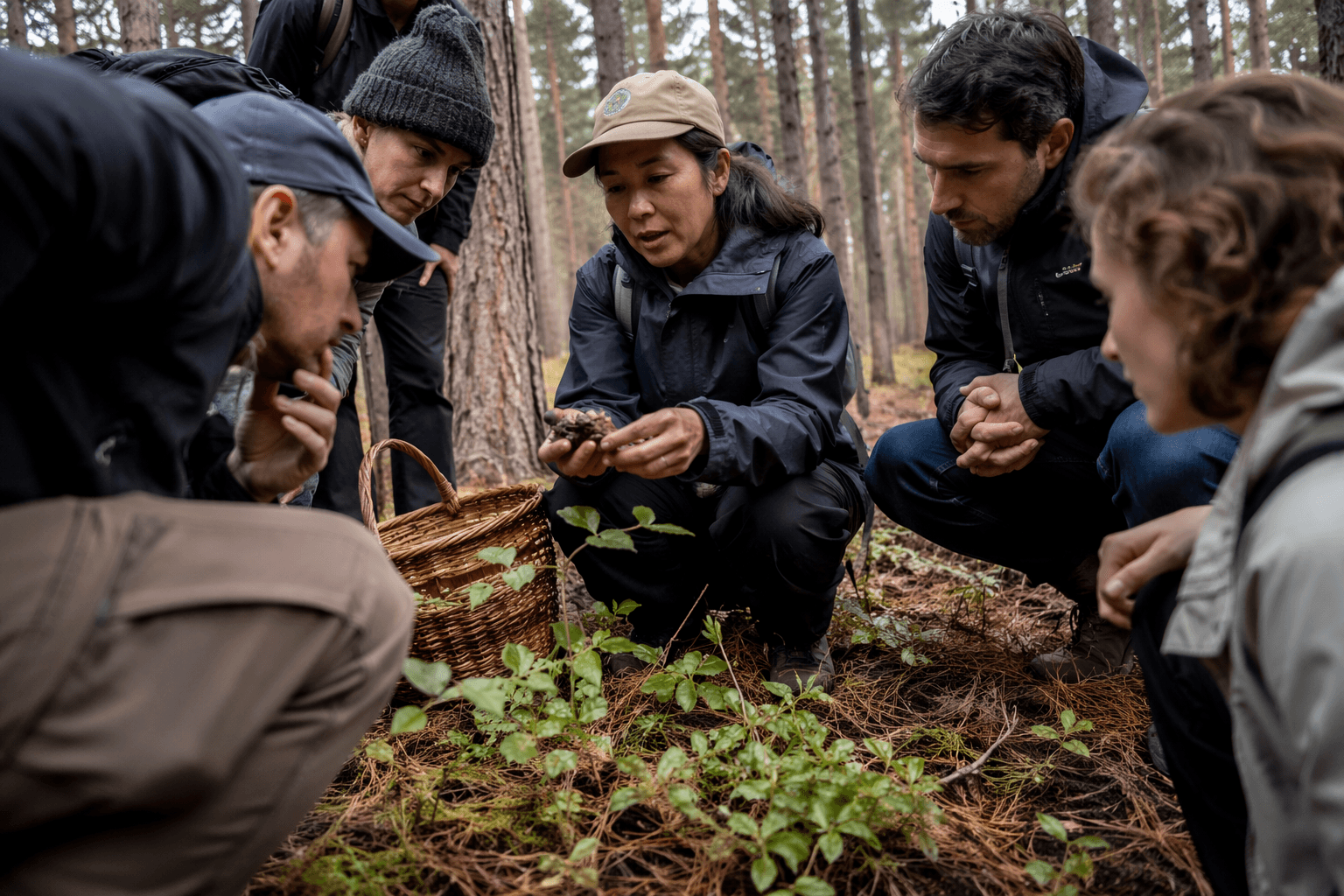
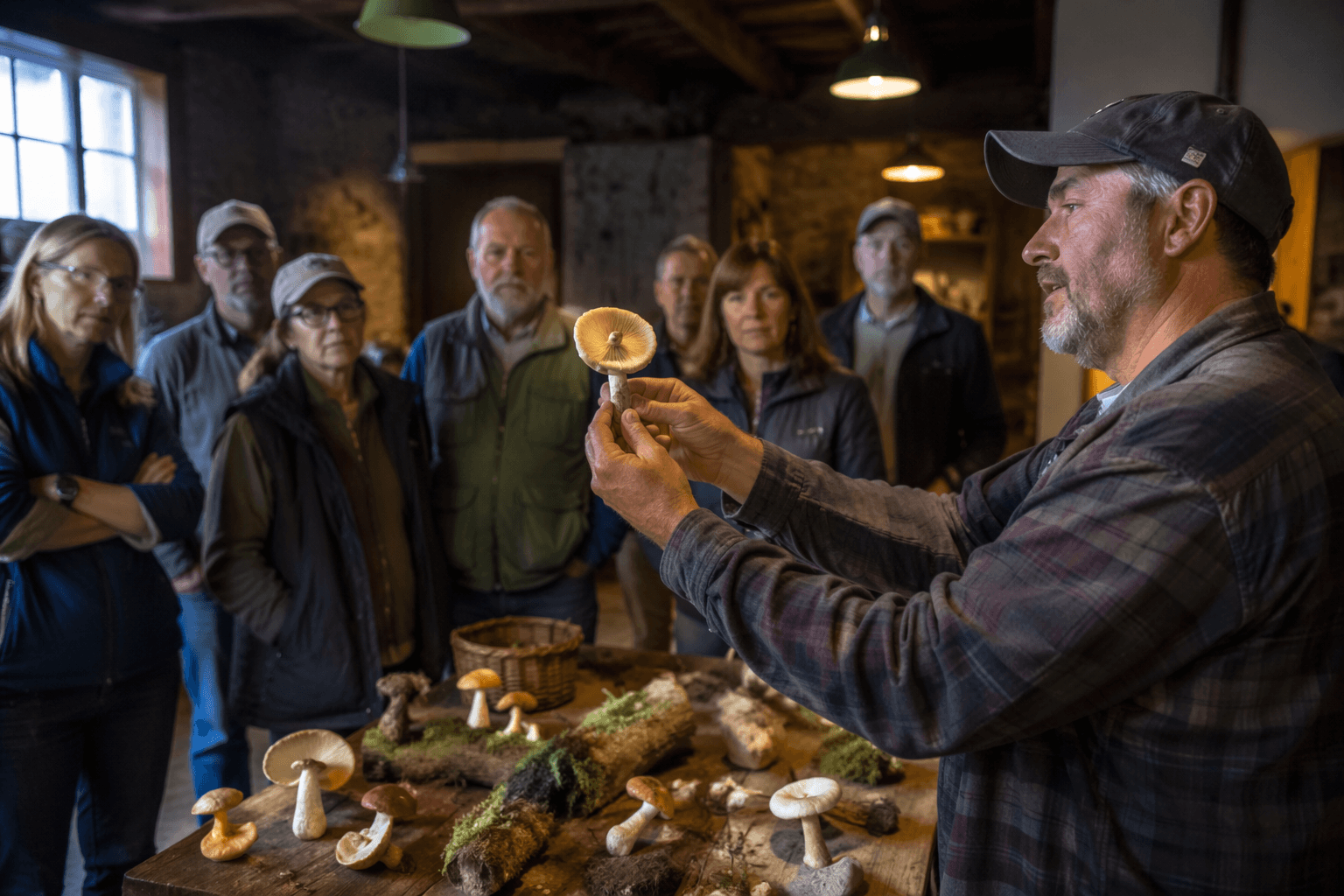
FungiAtlas 2026 calendar says mushroom season is always right now
Forget the fall-only myth: FungiAtlas frames foraging as a year-round hunt, with season, weather, and region setting the real windows.
The smartest mushroom calendar starts by refusing to behave like a calendar at all. FungiAtlas’s Mushroom Forager’s Calendar 2026 says the real answer to “when is mushroom season?” is effectively right now, because wild fungi move in windows shaped by season, weather, and region. That is the frame to carry into the woods: not one giant harvest season, but a series of narrow, shifting chances.
The Big Three: season, weather, region
FungiAtlas organizes the hunt around the “Big Three,” and that is the most useful part of the guide. Season gives the broad shape of the year, weather provides the immediate trigger, and region decides how far the timing shifts from place to place. The calendar is built for the temperate Northern Hemisphere, including Europe, the United States, and Canada, and it says local climate can move those windows by roughly two to six weeks.
That matters because the date on the page is never the same thing as what is happening in the woods. Rainfall, humidity, and temperature drops matter more than the day on your phone, and moon phases are treated as a secondary cue rather than a rule. If you are scouting, you are really looking for the weather pattern that wakes up a species, then checking whether your local woods are running early, late, or right on time.
Spring is the first real flush, not a warm-up act
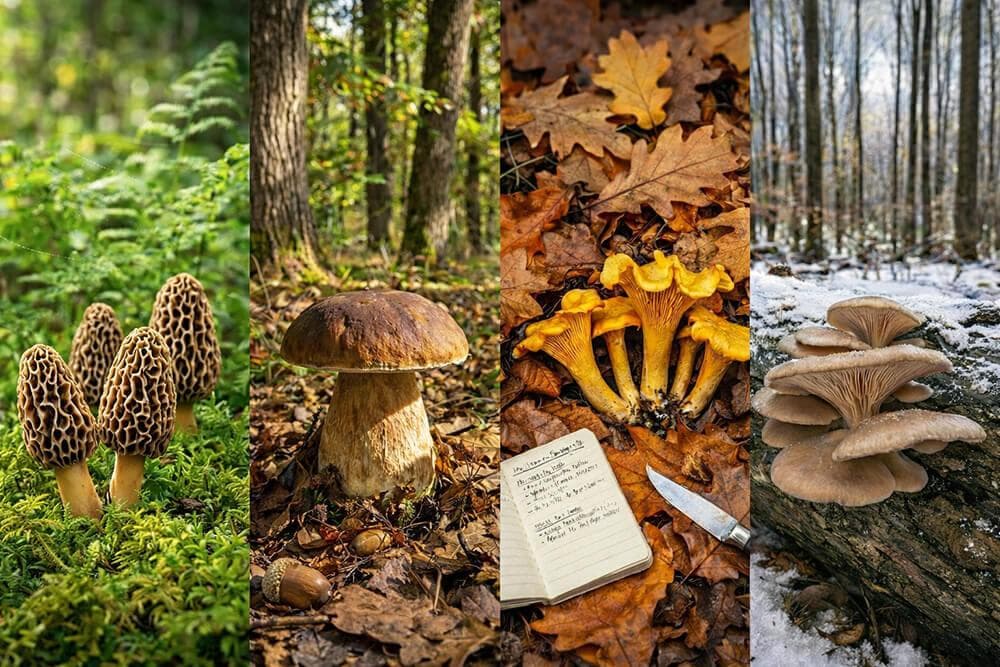
Spring is where the fall-only myth starts to crack. FungiAtlas places St. George’s mushrooms, morels, early oysters, first boletes, and russulas in the spring window, and that lines up with the kind of weather that brings a woods walk to life after a long cold stretch. University of Minnesota Extension notes that morels usually emerge in spring after adequate rainfall, which is exactly why morel hunters watch the rain so closely.

Spring also demands caution, because morels are not the only thing waking up. The same extension guidance warns about poisonous false morels, and that warning should stay in the front of your mind when the season starts to turn. Spring foraging is not about seeing a mushroom and celebrating, it is about seeing the right mushroom in the right habitat after the right rain.
Summer is about humidity, heat, and keeping your eyes open
By summer, the game changes from a single spring flush to a series of local openings. FungiAtlas puts chanterelles, porcini, parasols, puffballs, and chicken of the woods into the summer lane, which tells you that the season is less about the month than about the combination of warmth, moisture, and timing. In practice, that means you are watching for the next good flush, not waiting for an official start date.
Summer is also when shoulder-season thinking pays off. The calendar’s two-to-six-week flexibility matters here, because a cool, wet pocket in one region can behave like an earlier season, while another place sits stubbornly behind. If you learn to read the woods through weather instead of just the date, summer becomes a series of opportunities rather than a lull between spring and fall.
Autumn is peak season, but it is still only one chapter
Autumn gets the glory, and FungiAtlas does call it the peak season. The guide highlights saffron milkcaps, honey fungus, hedgehogs, late boletes, and chanterelles, the kind of lineup that makes fall feel like the main event to anyone who has ever filled a basket after a cool rain. But even here, the calendar is making a subtler point: autumn is peak because more species line up together, not because the rest of the year is empty.
That is where the shoulder-season habit matters most. If you only think in terms of “fall,” you miss the edges on both sides, the late summer transition and the early winter holdouts. A good forager keeps watching when the leaves start changing, but also when the nights start cooling and the weather finally tips a patch of habitat into a new flush.
Winter still has life in it
The calendar does not shut down when the temperature drops. FungiAtlas points to velvet shank, chaga, oyster mushrooms, and wood ear as winter species that can appear during thaws and colder stretches, which is a reminder that the mushroom year never fully closes. For hunters who know their local woods well, winter becomes a matter of patience and timing, not hibernation.
This is where the guide’s planning logic is most valuable. You are not asking whether winter has mushrooms, you are asking which species in your region respond to thaw cycles, dead wood, and cold-weather swings. That is a different mindset from waiting for one big season to arrive, and it keeps you looking even when the woods seem quiet.
Safety is part of the season, not an afterthought
Every good mushroom calendar should come with a warning label, and FungiAtlas puts that warning front and center. The U.S. Forest Service says many mushrooms look alike and some are highly poisonous, so identification has to be certain before anything goes into a pan. The calendar is a planning tool, not an eating clearance, and that distinction matters every single month.
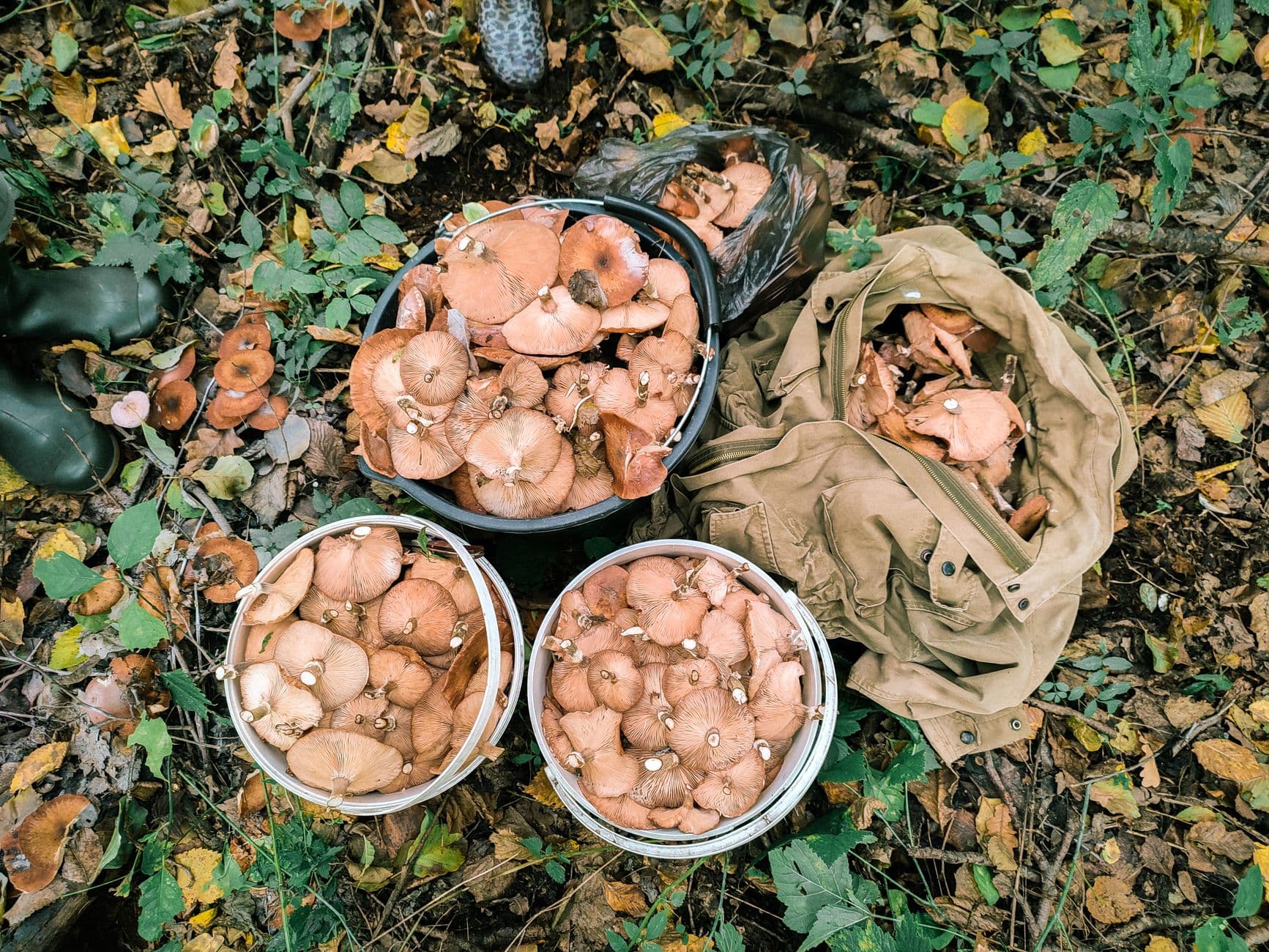
The risk is not abstract. In the CDC’s April 2026 foraging newsletter, the agency said interest in foraging has increased in the United States as people look to connect with nature, eat locally, and explore wild foods. But in the CDC MMWR report by Thomas Kearney, Alvin C. Bronstein, and Carol DesLauriers, Northern California saw an amatoxin outbreak from November 2025 through March 2026 with 39 cases, three liver transplants, and four deaths. California health officials said that is far above the state’s usual report of fewer than five mushroom poisoning cases per year.
Foraging is an ecology, not a shopping trip
The reason this year-round mindset works is that fungi are doing far more than producing dinner. The U.S. Forest Service says fungi are essential in forests for decomposition, nutrient cycling, symbiotic relationships, and disease regulation, which means every flush is tied to the health of the habitat itself. That is also why the North American Mycological Association emphasizes sustainable use and responsible collecting that does not harm fungi or habitats.
There is already a long history of people gathering from the woods. In 2013, the U.S. Forest Service said people collected more than a half million pounds of food from public forests across the United States. Put that beside the recent surge in foraging interest, and the picture is clear: this hobby is growing, but it only stays healthy if the calendar is read with restraint, patience, and respect for the living systems behind every flush.
That is the real lesson of FungiAtlas’s calendar. Mushroom season is not a single date you wait for, it is the weather window you learn to recognize, the habitat you learn to read, and the habit of checking the woods again when the next rain, thaw, or temperature drop opens the door.
This article was produced by Prism’s automated news system from verified source data, official records, and press releases, then run through automated quality and moderation checks before publishing. The system is built and supervised by the people who set the standards it runs under. Read our full AI policy.
Did this article answer your question?