Guided winter mushroom hunt near Lithgow promises foraging and lunch
A Lithgow-area winter mushroom hunt turns foraging into a lesson in restraint, with safety checks, preserving skills, and a barbecue lunch built in.
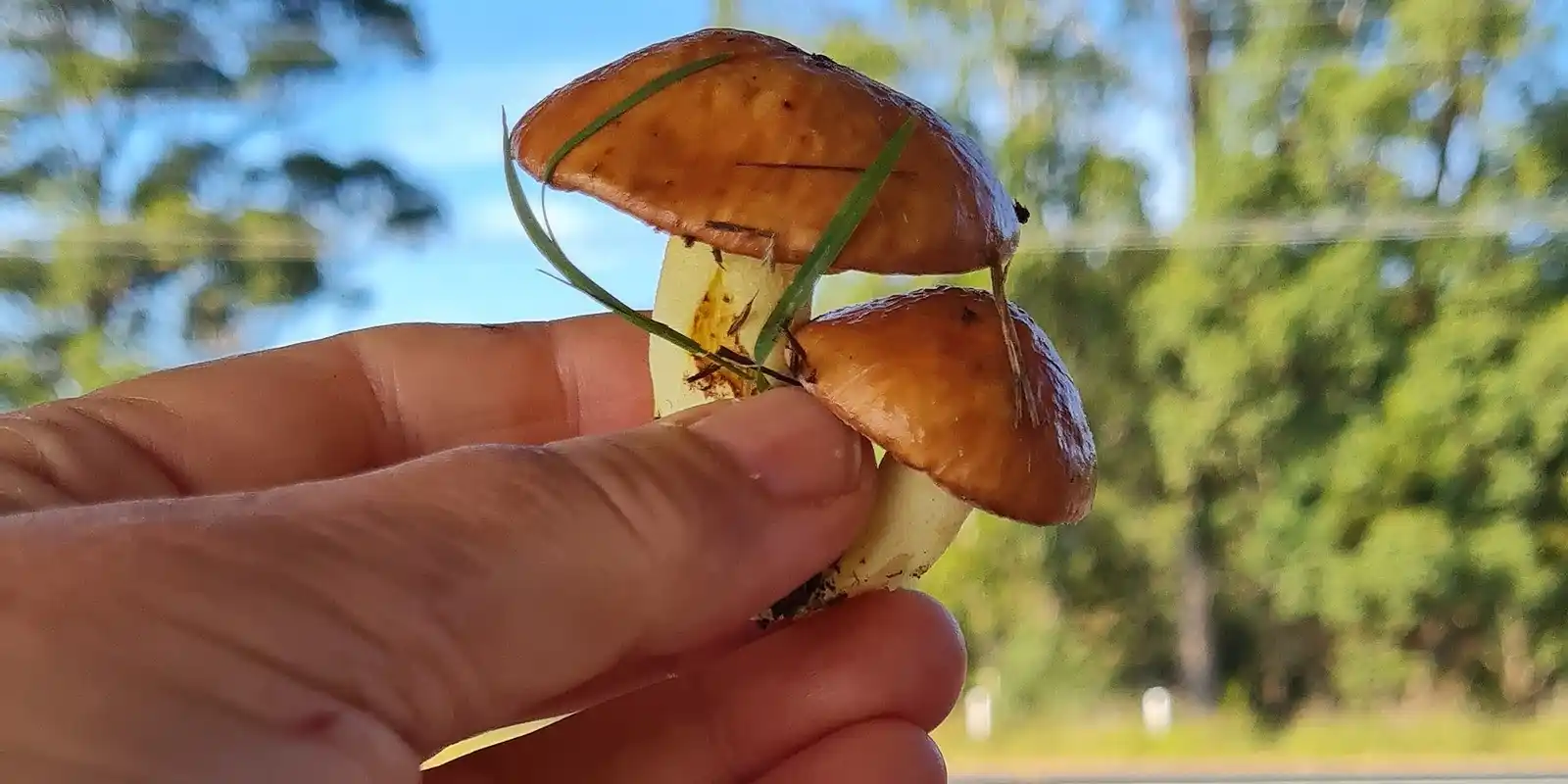
A winter mushroom hunt near Lithgow is built less like a bush walk and more like a small field school. The guided outing at Lidsdale State Forest beyond Lithgow was scheduled for Saturday, June 20, 2026, from 9:30am to 2:30pm AEST, and its real lesson is that good foraging begins with knowing what to leave behind.
A guided hunt with a curriculum baked in
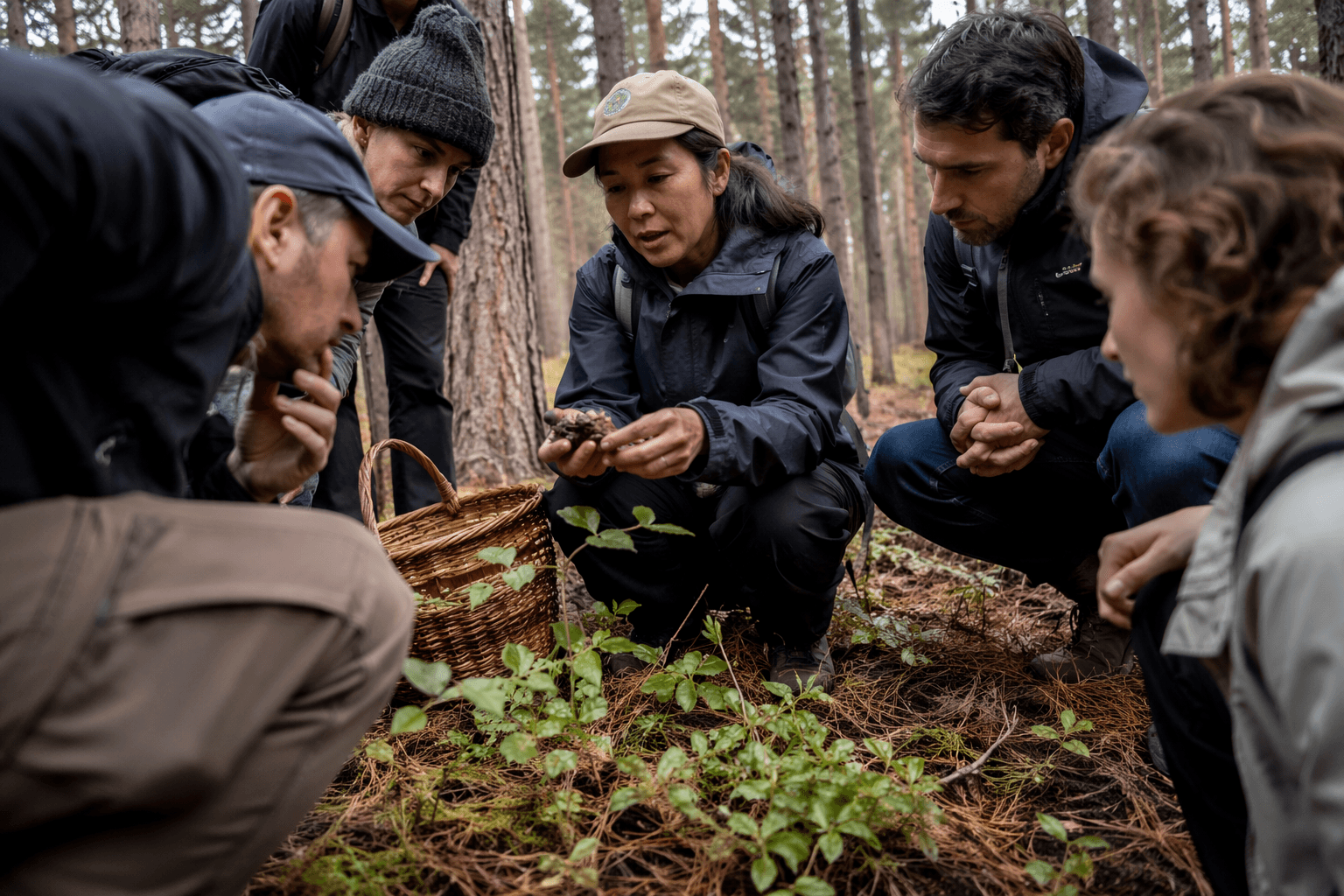
Humanitix describes the Winter Wild Mushroom Hunt as a guided mushroom-foraging tour with an experienced licensed forager, and the structure makes that clear from the start. Participants meet at Lidsdale State Forest near Wallerawang, then take a short drive deeper into the pine forest to look for edible fungi, learn how to identify and collect them safely, and run a basket safety check before anything goes home.
That is the point where many casual foragers learn the most. The event is not simply about filling a basket, but about reading habitat, checking each find, and slowing down long enough to make the right call. In a hobby where overconfidence can turn dangerous fast, the lesson in restraint is as valuable as the harvest itself.
Why the event centers on “not picking” as much as picking
The strongest foraging mentors do not just teach where mushrooms grow. They teach when to stop, when to admire, and when to walk away, and this hunt is framed in exactly that spirit. By focusing on identification, safe collection, and a basket safety check, the outing treats caution as part of the skill set rather than a footnote.
That matters in New South Wales, where the public health backdrop is serious. NSW Health warned on June 17, 2025 that death cap mushrooms had been detected in Sydney, the Southern Highlands, and southern New South Wales, and the agency says death caps can be deadly. It also warns that lookalike mushrooms can make poisoning easy to cause, which is exactly why guided hunts like this one put such weight on careful identification.
- Learn the local species before you pick.
- Treat every uncertain mushroom as a no.
- Use guided outings to build the habit of checking, comparing, and confirming.
- Keep habitat intact so the patch can keep producing.
For beginners, the practical takeaway is simple:
That last point is easy to miss, but it sits at the heart of ethical foraging. A healthy fungal ecosystem depends on more than a lucky basket. It depends on how lightly people move through the forest, how selectively they harvest, and how much they leave in place to support the next flush.

From forest to lunch table
The hunt does not end when the collecting is done. Humanitix says the group will prepare the bounty for a barbecue lunch, which turns the day into a full loop from field to table. That bridge matters because it helps new foragers understand mushrooms not as trophies, but as ingredients that need care at every stage.
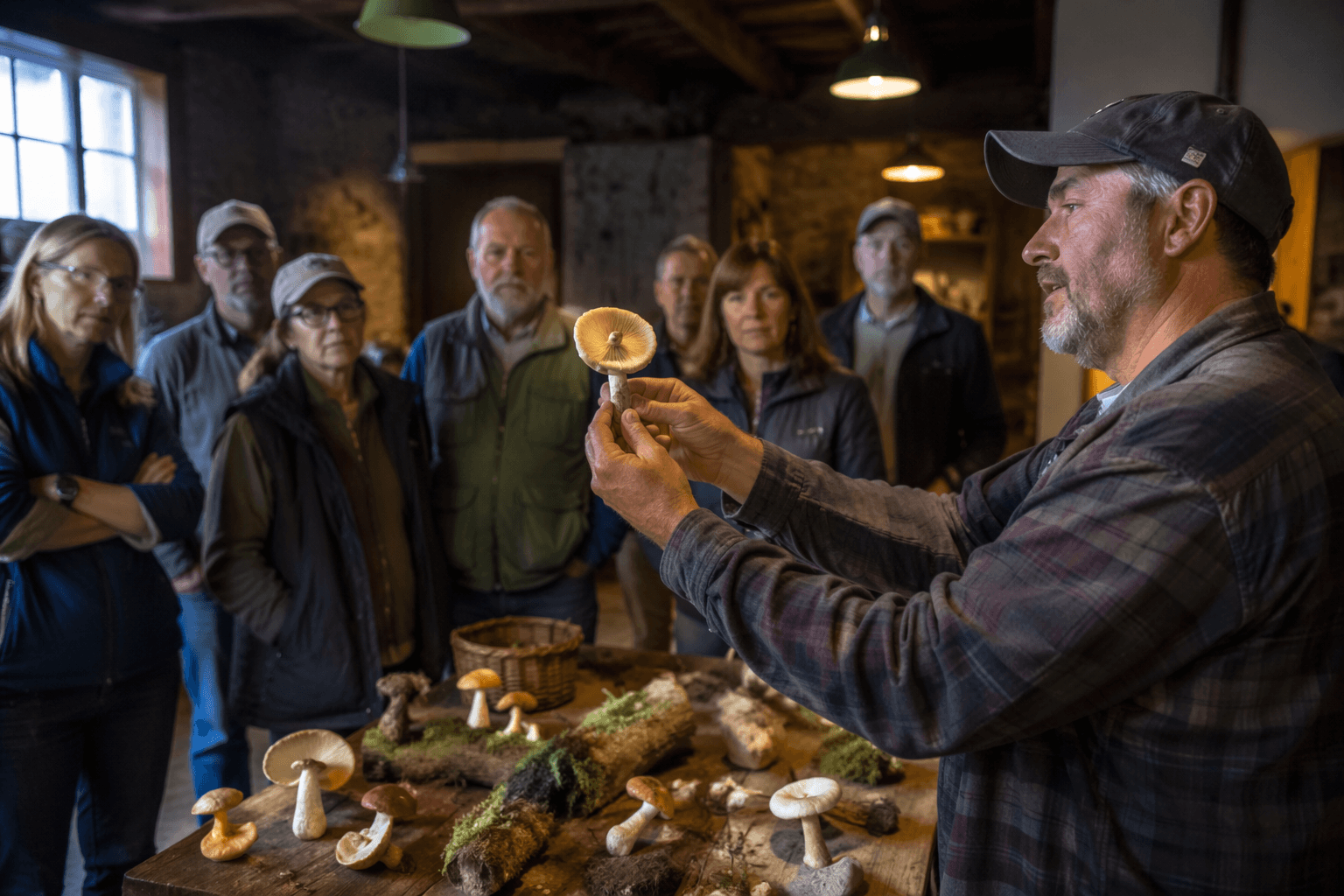
The event also includes a mini-workshop on preserving mushrooms, with cleaning, drying, pickling, and fermenting covered as practical follow-up skills. That broadens the lesson beyond the basket. If you know how to preserve a flush properly, you are less tempted to overharvest, and more able to treat a good mushroom patch as a seasonal resource rather than a one-time score.
Humanitix says recipe handouts and a fact sheet on the two target species are provided after booking, which makes the day feel less like a novelty outing and more like a compact curriculum. For newer foragers, that kind of structure is invaluable. It gives you something concrete to take home, review, and compare against future hunts.
Why a winter hunt in Australia feels different
For mushroom foragers used to North American rhythms, the Southern Hemisphere changes the calendar and the mindset. Winter is the season to pay attention near Lithgow, and the forage list is regional rather than universal. That means the real skill is not copying what worked somewhere else, but learning how local conditions shape the fungi that show up in pine forest habitat.
This hunt also reflects how much mushroom culture depends on place. The Lidsdale State Forest setting, just beyond Lithgow near Wallerawang, points to a very specific landscape and season, and the teaching is tailored to that exact context. A good guided hunt does more than identify specimens, because it teaches you to read the forest that produced them.
The Moss House approach
Moss House, the host behind the event, adds another layer of story. Its founder, Margaret Mossakowska, is described in Moss House materials as a sustainability educator who learned homesteading skills growing up in rural Poland. Another profile says her childhood was surrounded by productive and ornamental gardens, and that once she had her own land she designed a permaculture garden focused on food, medicinal, and fibre-producing plants.
That background helps explain why the hunt is framed as education rather than entertainment. Mossakowska’s work with workshops and talks fits the same ethic that runs through the mushroom outing: learn the system, respect the land, and use what you take with care. Even the event’s booking fees support charity, which keeps the experience tied to a broader sense of stewardship.
A recurring seasonal circuit, not a one-off walk
This was not the only mushroom-foraging session on the calendar. Humanitix shows similar Moss House hunts in May and June 2026, including listings on May 13, May 24, May 30, and June 1, as well as an earlier mid-winter wild mushroom hunt on June 16, 2024. That pattern suggests steady seasonal demand and a community that returns when the conditions are right.
Local listings from Visit Blue Mountains, VisitNSW, and other outlets repeat the same core description, which reinforces the point: this is being marketed as a guided educational outing, not a casual wander with a basket. In a region where NSW Health and ABC News have both underscored the risks, that framing feels exactly right.
ABC reported that surveillance over the previous two years found death caps growing in New South Wales, and that the previous year brought 23 hospitalisations and 363 calls to the poisons centre for mushroom exposures. Those numbers give the hunt its sober edge. The best mushroom days are not the ones where you take the most home; they are the ones where you come back with a fuller eye for habitat, a steadier hand, and a better sense of when the forest is asking you to leave a fungus where it stands.
At Lidsdale State Forest, the real prize is not just the basket or the barbecue lunch. It is the discipline that turns foraging into a practice of care, and care is what keeps a mushroom patch worth revisiting.
This article was produced by Prism’s automated news system from verified source data, official records, and press releases, then run through automated quality and moderation checks before publishing. The system is built and supervised by the people who set the standards it runs under. Read our full AI policy.
Did this article answer your question?