Iowa foragers to learn mushroom identification at Camp Wa-No-Ki class
Iowa State Extension’s Camp Wa-No-Ki field day turns mushroom ID into hands-on practice, with spore prints, lookalikes, and a guided outdoor hunt.
At Camp Wa-No-Ki in Fort Dodge, mushroom identification is being taught the way beginners actually learn it best: outside, looking closely, and under supervision. Iowa State University Extension and Outreach is bringing Natural Resources Field Specialist Gina Buelow to a three-hour evening class on June 25, 2026, from 6:00 p.m. to 9:00 p.m., with a $10 registration fee due by June 23.
What the class is built to teach
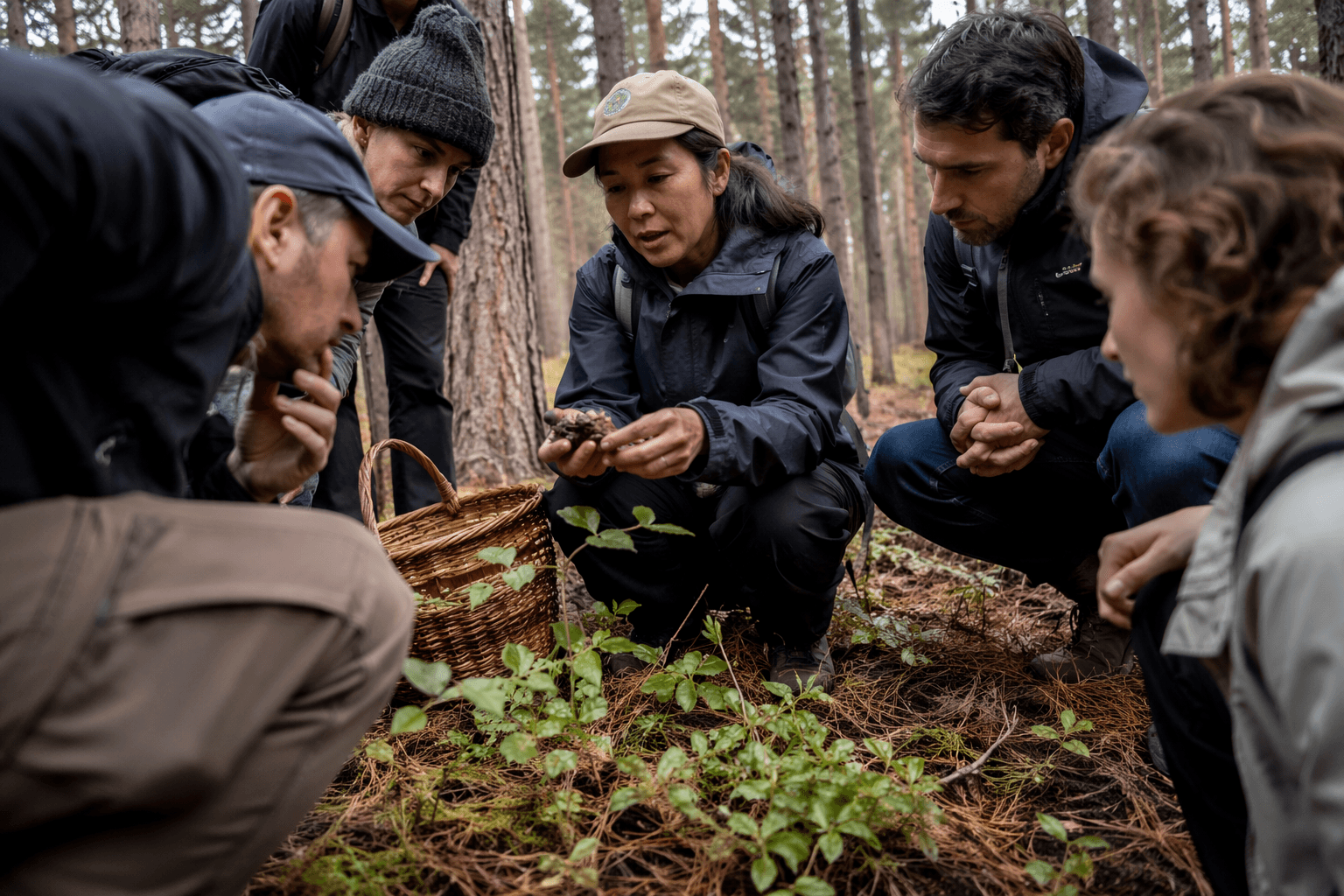
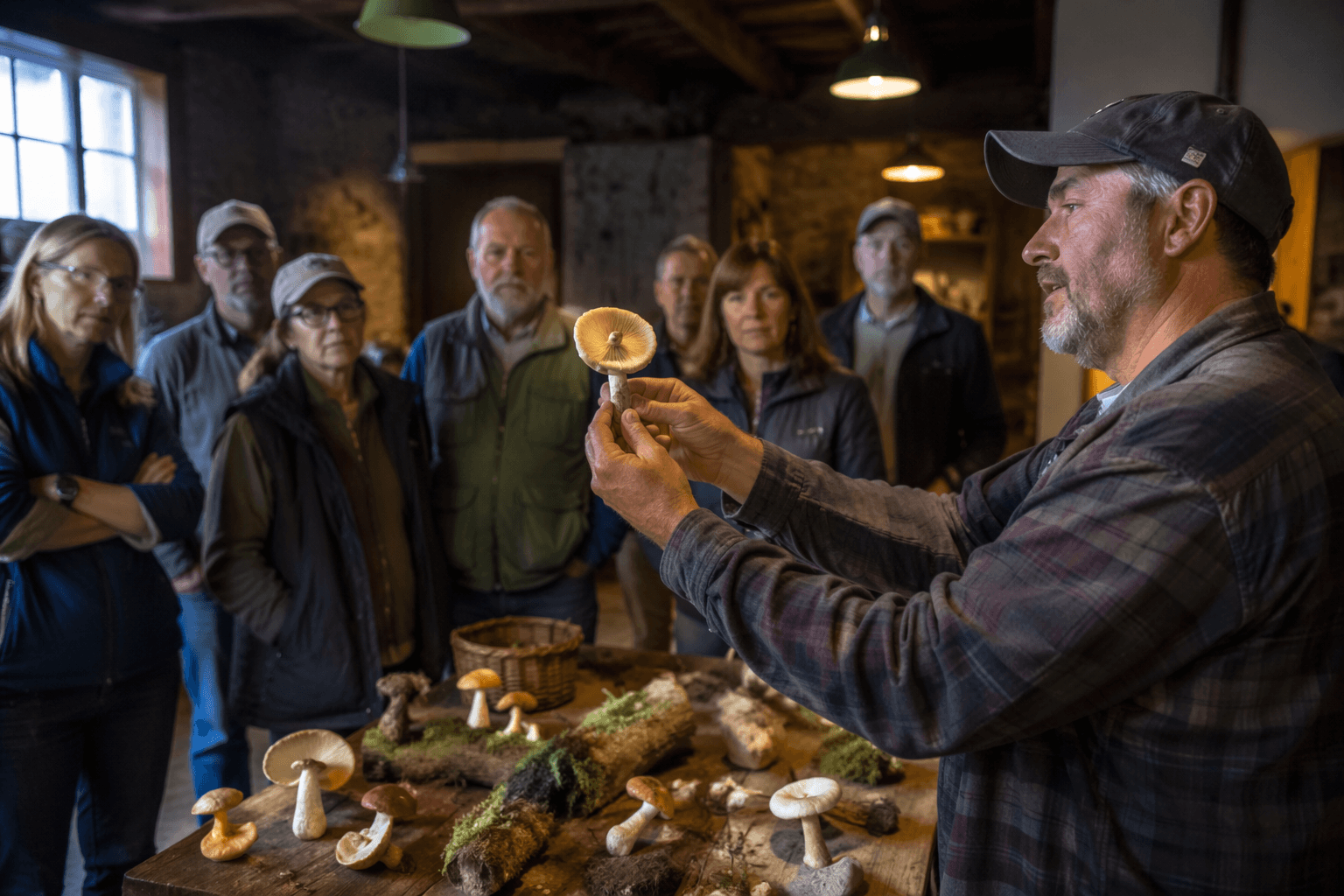
This is not a lecture about fungi in the abstract. The Webster County session is designed as a practical introduction that starts with mushroom biology and ecology, then moves into active identification practice and an outdoor search for specimens. That structure matters because foragers do not learn mushrooms from names alone. They learn by comparing fruiting-body traits, noticing what a cap, gills, stem, and overall form actually look like in the field, and matching those details to the place and season where a mushroom appears.
The broader Safe Mushroom Foraging Program spells out that lesson plan clearly. Iowa State University Extension and Outreach says the program was developed to help Iowans learn about mushrooms and foraging safety, and that it is offered in seasonal versions, with spring classes emphasizing morels and fall offerings highlighting other species. The program materials also say participants work through fungi’s ecological roles, create spore prints, and learn how to recognize common edible mushrooms and poisonous lookalikes.
Why the hands-on format matters
The most useful part of a class like this is the field time. Instead of relying on photos, participants are expected to examine seasonal mushrooms in context and see how habitat and timing shape what turns up. That is the difference between memorizing field-guide descriptions and learning how identification works when a mushroom is growing in the real world at Camp Wa-No-Ki.

That setting gives the lesson a practical edge. Camp Wa-No-Ki, at 2400 WaNoKi Camp Rd., Fort Dodge, IA 50501, is close enough to the kind of outdoor landscape where beginners can practice careful observation without jumping straight into harvesting on their own. The workshop’s outdoor search for specimens puts attention on what matters most in the field: where a mushroom was found, what it looked like in place, and whether its visible traits fit the species being considered.
The event is also being promoted through more than one county extension page. One listing calls it “Safe Mushroom Field Day- Webster County 2026,” and names Linda Cline as the contact. Another frames it as a Mushroom Foraging Workshop in Webster County, led by Gina Buelow with Webster County Conservation. Those overlapping listings make the class look less like a one-off outing and more like a local extension effort built to meet sustained interest.
What participants take home
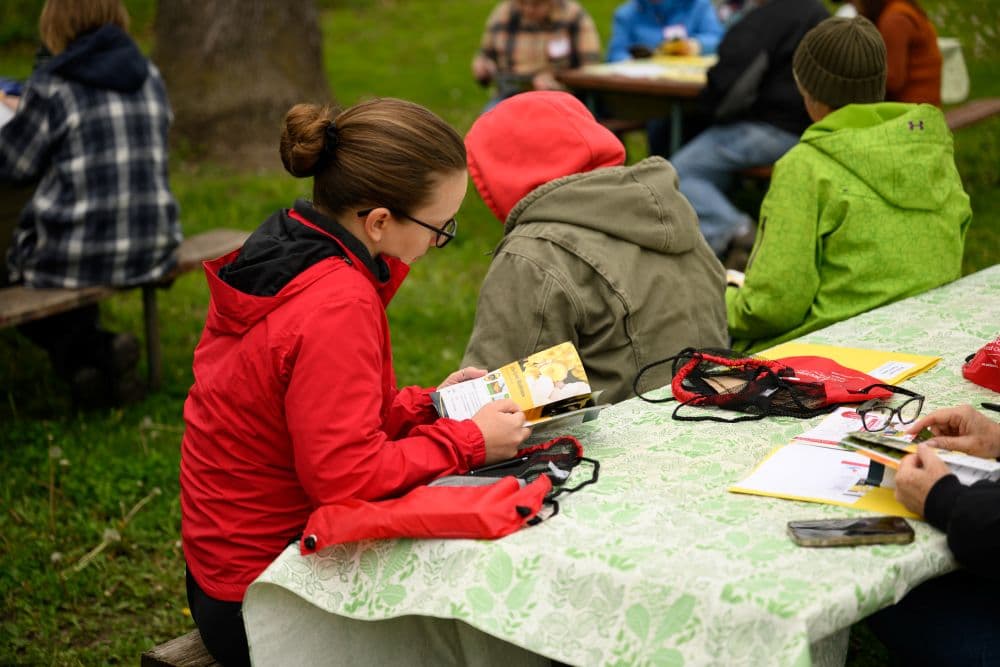
For beginners, the value is not just the walk through the woods. Registrants will receive a copy of ISU Extension and Outreach’s Safe Mushroom Foraging field guide and a drawstring bag for transporting found fungi. That gives the class a concrete takeaway that extends beyond the evening itself and signals the intended use of the lesson: observe, collect carefully, compare traits, and keep learning with a guide in hand.
The low registration fee is another practical detail worth noting. At $10, with the deadline set for June 23, the program is being kept accessible, and the listing credits funders for helping hold down the cost. That is consistent with extension education at its best: a small barrier to entry, clear materials, and a supervised setting where new foragers can learn without guessing their way through safety questions.
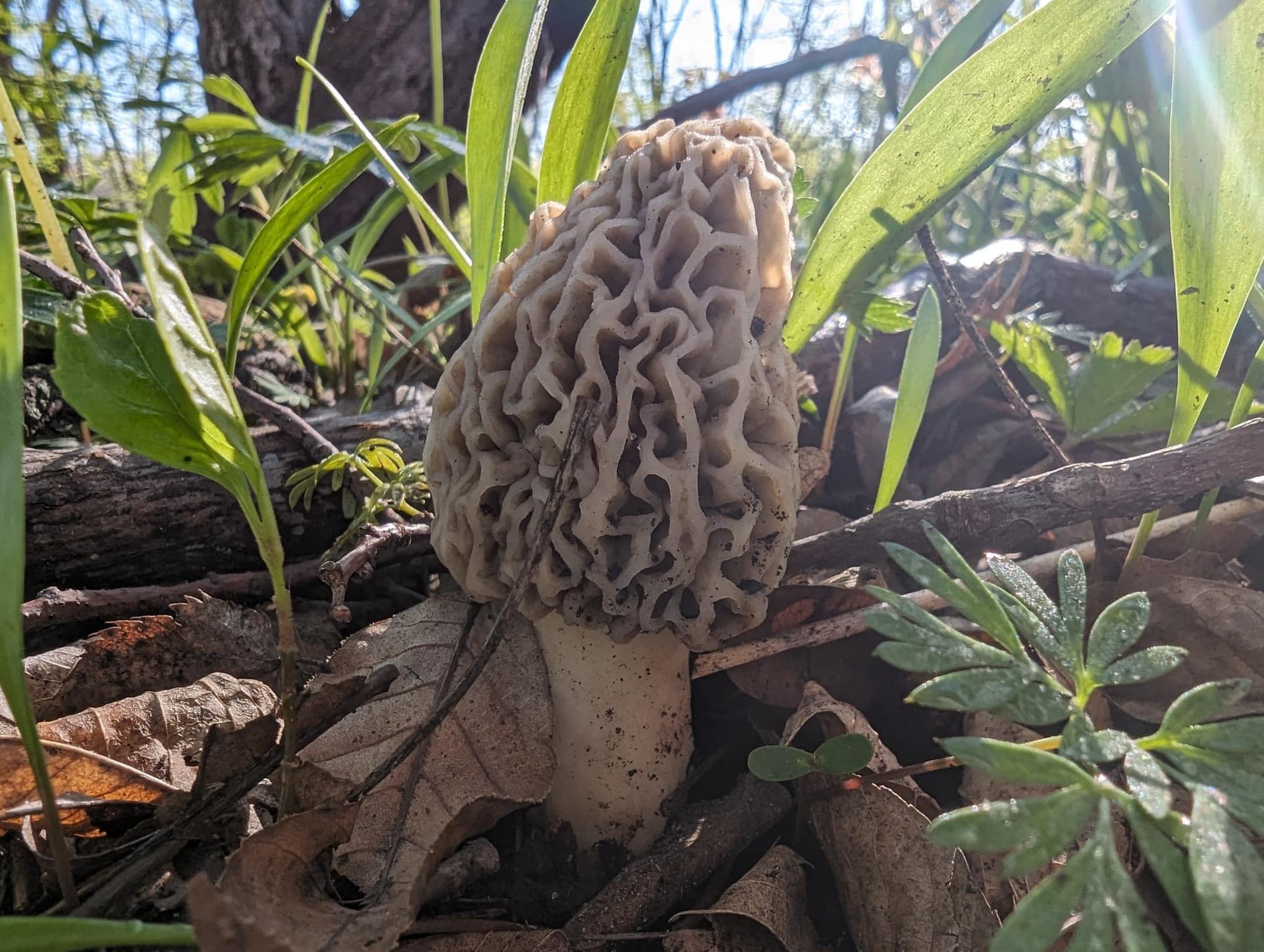
The Safe Mushroom Foraging Program’s learning objectives go further than edible species hunting. Extension materials say the course covers the risks of consuming wild mushrooms, the danger of poisonous lookalikes, and the problem with relying on community identification alone. It also points to ways people engage with fungi through either collection or cultivation, which broadens the class beyond the narrow idea that mushroom interest begins and ends at the dinner table.
Why Gina Buelow is the right instructor for it
Buelow’s role explains why this program has the shape it does. Iowa State Extension identifies her as both a Natural Resources Field Specialist and the coordinator for the Safe Mushroom Foraging Program, which puts her at the center of the university’s mushroom education work. A North Scott Press report noted that she has led mushroom-foraging programs for several years and regularly gets questions about mushroom cultivation, a reminder that people entering the hobby are often curious about both wild fungi and what can be grown at home.
That broader interest helps explain why Iowa counties keep putting these classes on the calendar. Past extension events in places such as Polk County and Winneshiek County show the teaching is part of an ongoing state-wide effort, not a single burst of seasonal programming. The Webster County class fits that pattern neatly, giving local beginners a supervised entry point into a hobby that demands close observation, patience, and respect for what cannot be trusted from a screen alone.
For anyone wanting to move from curiosity to actual field skill, the formula is straightforward: a summer evening at Camp Wa-No-Ki, a three-hour walk through mushrooms in context, a field guide in hand, and enough safety instruction to make the next outing smarter than the last.
This article was produced by Prism’s automated news system from verified source data, official records, and press releases, then run through automated quality and moderation checks before publishing. The system is built and supervised by the people who set the standards it runs under. Read our full AI policy.
Did this article answer your question?