Michigan DNR hosts wild mushroom clinic at Mitchell State Park
Michigan DNR's full-day mushroom clinic at Mitchell State Park paired field ID with lunch, a packet and a mushroom identification book.

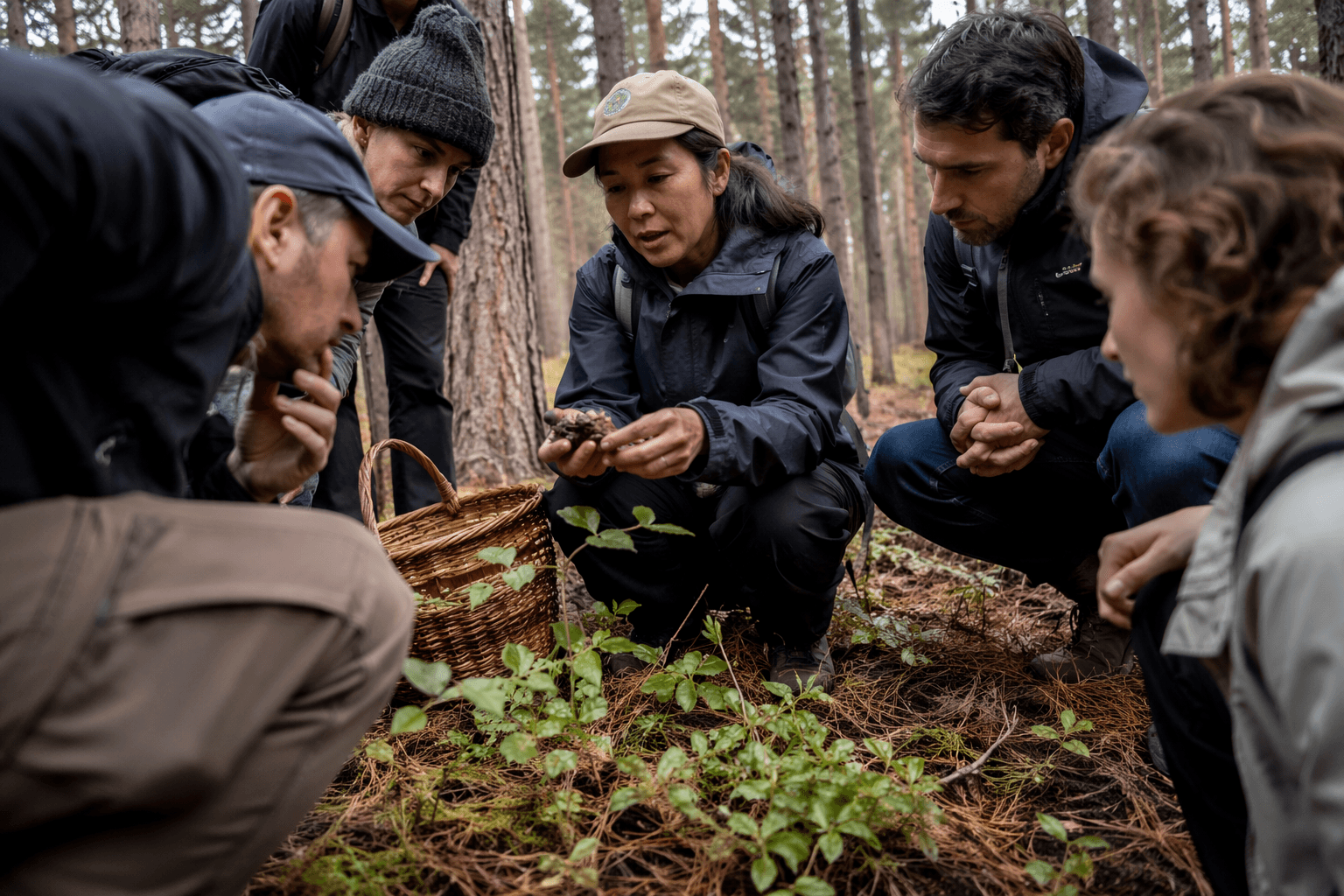
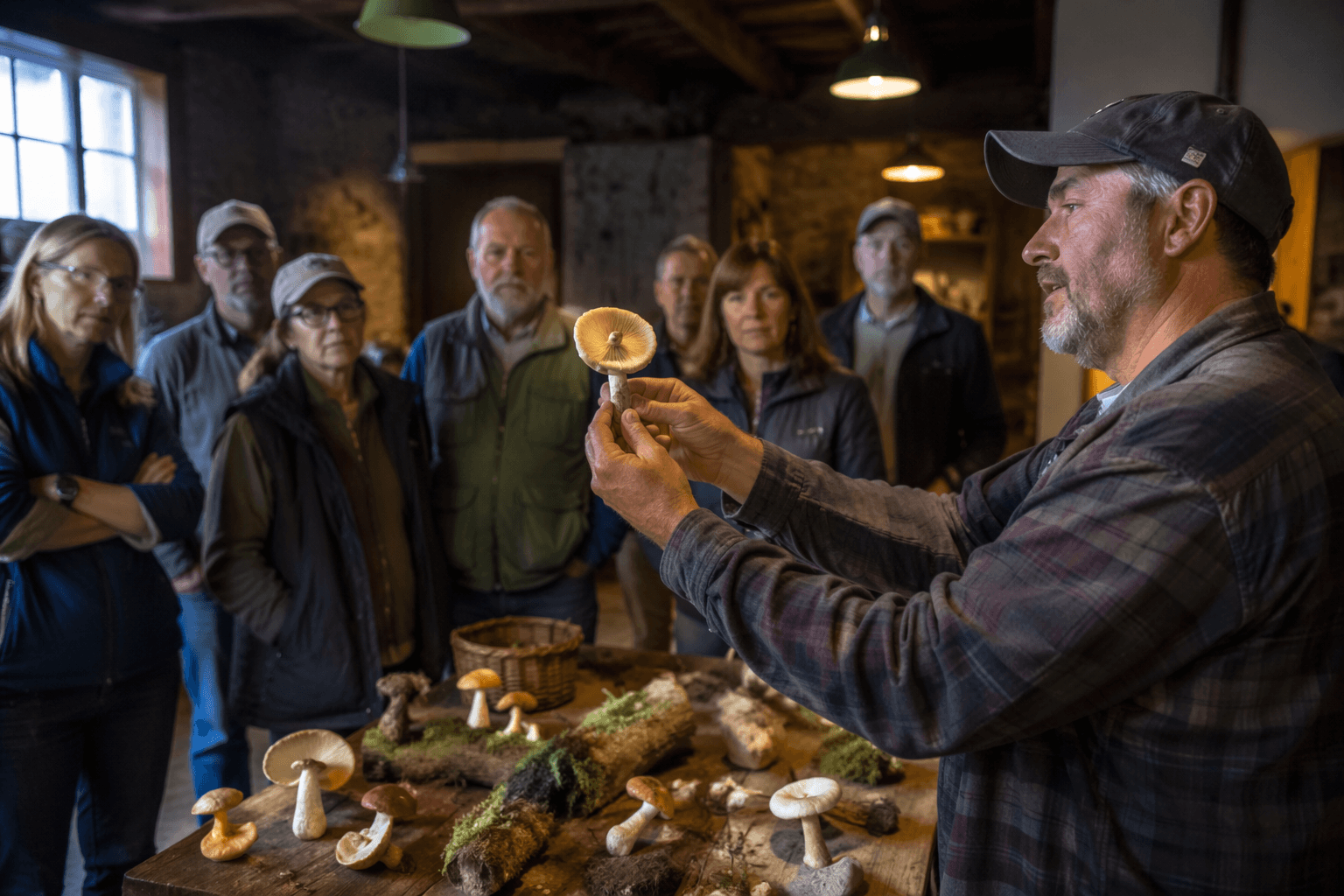
Michigan's Outdoor Skills Academy brought wild mushrooms to the center of the lesson plan at William Mitchell State Park on June 28, when Jill and Aaron, wild foods experts from Great Lakes Treats, led a full-day clinic at the Carl T. Johnson Hunting and Fishing Center in Cadillac. The program was billed as immersive, fast-paced and information-packed, with a focus on real-world skills for identifying, harvesting and preparing some of Michigan's most sought-after edible mushrooms.
Pre-registration was required, and the class cost included lunch, a printed class packet and a mushroom identification book. The June 28 session was one of four wild mushroom clinics listed for 2026, alongside May 3, July 19 and August 16, which gave the academy a season-long mushroom calendar rather than a single date on the outdoor skills schedule.
That kind of structure matched the state’s broader safety message. Michigan's Department of Agriculture and Rural Development says the Michigan Food Code requires wild-foraged mushrooms to be individually inspected and found safe by a certified mushroom identification expert before they can be sold. The Department of Natural Resources tells foragers to learn what is legal to harvest, what should be left in the wild and what is safe to harvest and prepare, and it specifically warns first-time mushroom hunters to go out with someone who knows mushrooms.
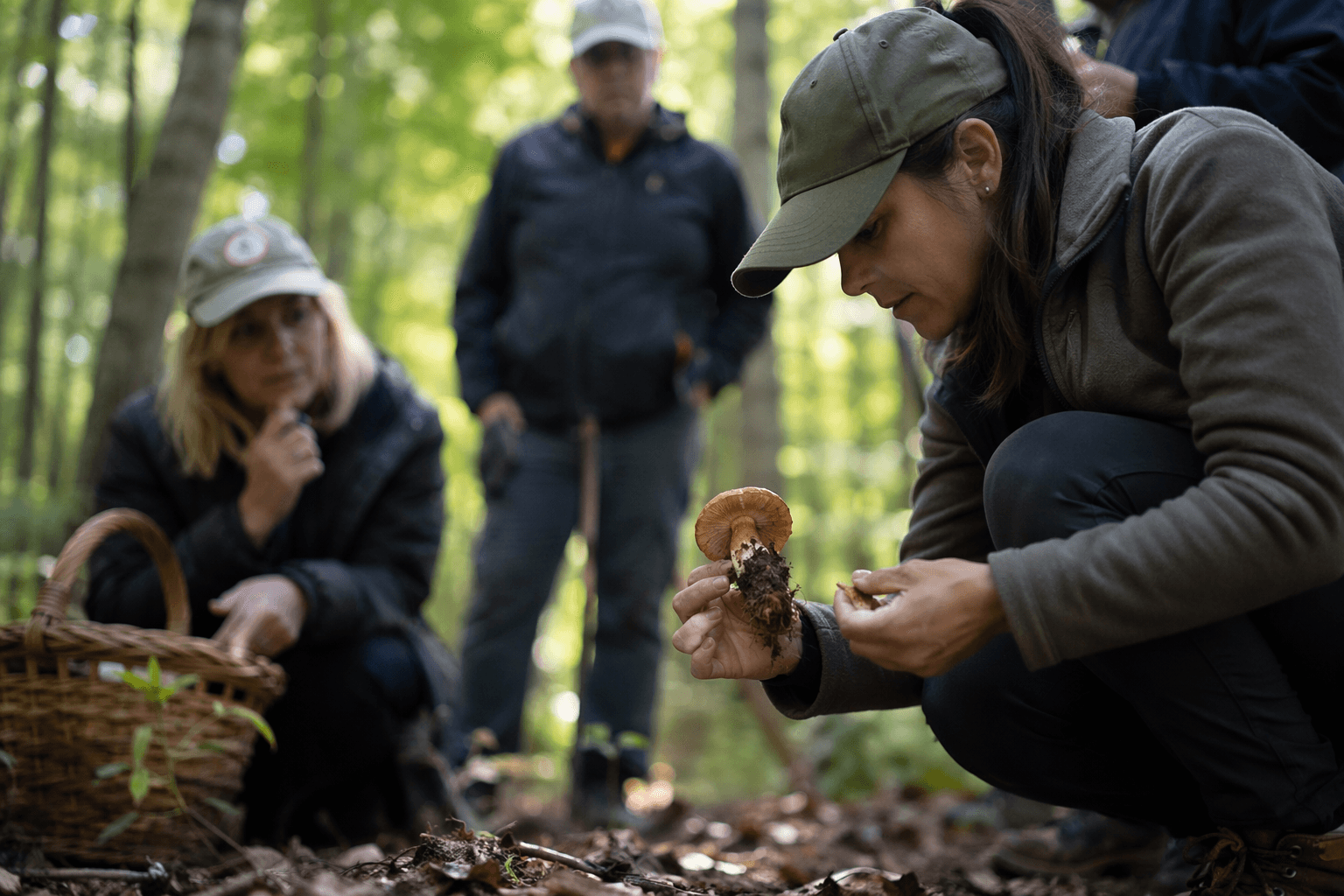
The DNR's mushroom guidance also puts a spotlight on morels, which it describes as among the easiest mushrooms for beginning hunters to find and identify. Michigan's guide lists morels from April to June, with warm, wet conditions best for growth and cold, dry weather capable of producing almost total crop failure. Even so, the state cautions that true morels must be separated from false morels and other poisonous look-alikes, a warning that lands with extra force in a state where Michigan State University Extension says at least 50 of the larger wild mushroom species are poisonous.
William Mitchell State Park gave that classroom a fitting setting. The 770-acre park sits between Lake Mitchell and Lake Cadillac, with the Clam Lake Canal connecting the two, and the clinic turned that public landscape into a place for close observation rather than casual guesswork. In Cadillac, the message was simple: serious mushroom education starts with expert eyes, cautious identification and a state-backed process built for the field.
This article was produced by Prism’s automated news system from verified source data, official records, and press releases, then run through automated quality and moderation checks before publishing. The system is built and supervised by the people who set the standards it runs under. Read our full AI policy.
Did this article answer your question?